Tokenized US municipal bonds: limits to account for
Tokenized US municipal bonds offer speed and fractional access, but they introduce technical and regulatory risks that traditional holdings do not have. Before allocating capital, you must evaluate how these digital assets handle compliance, liquidity, and custody compared to standard bond markets.
Liquidity and Market Depth
The primary promise of tokenization is instant settlement and fractional ownership. However, secondary markets for tokenized munis are currently fragmented across private platforms rather than centralized exchanges. While this allows for 24/7 trading, the bid-ask spreads can be wider than traditional interdealer brokerages, especially for lower-rated issues. You may find it easier to enter a position than to exit it at a fair price during periods of low platform volume.
Compliance and Jurisdictional Risk
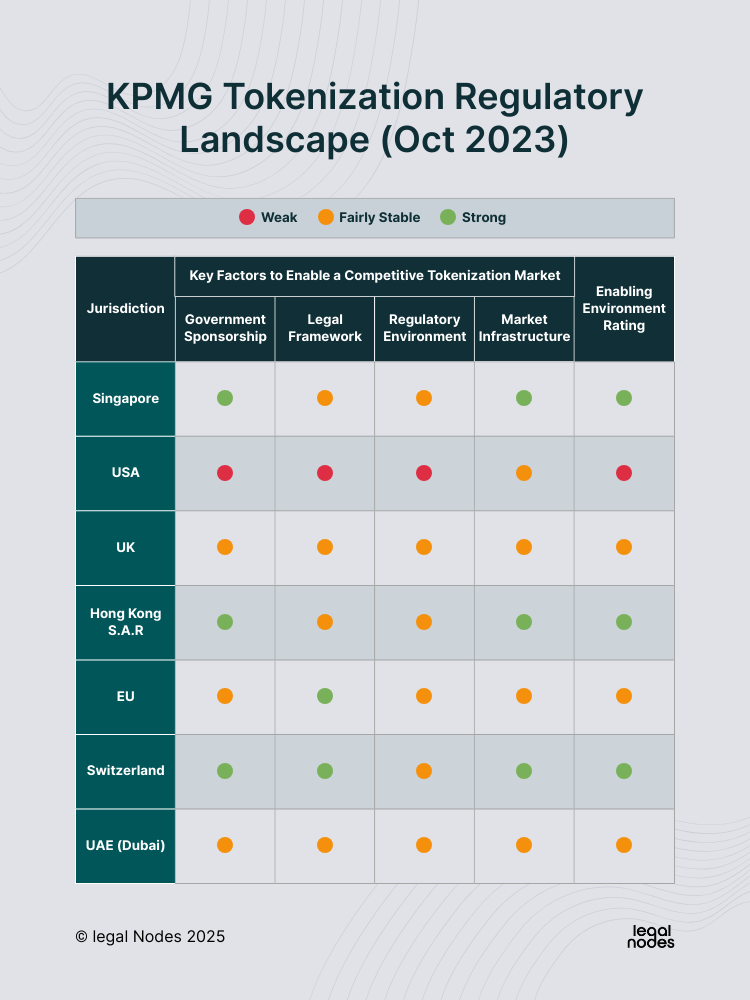
Municipal bonds are bound by state and federal securities laws. Tokenization relies on smart contracts to automate compliance, such as restricting transfers to accredited investors or enforcing holding periods. If a smart contract contains a bug or if the underlying legal wrapper does not clearly map to the token, you could face frozen assets or regulatory penalties. The SEC’s recent sandbox initiatives aim to clarify these frameworks, but the legal landscape remains in flux.
Custody and Counterparty Exposure
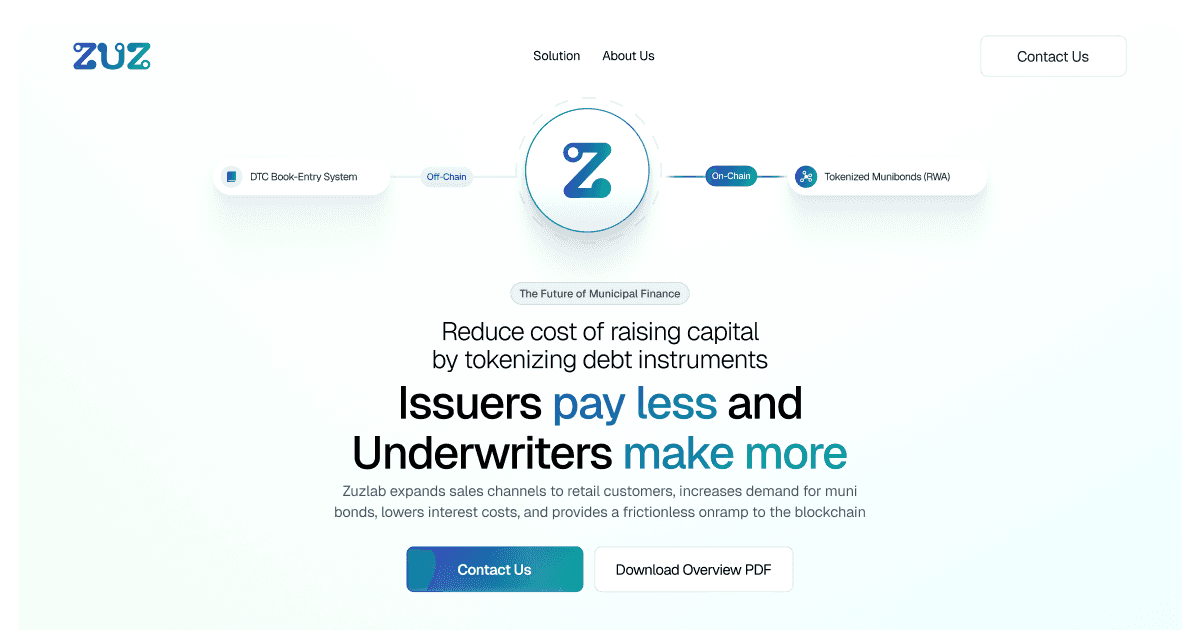
In traditional markets, bonds are held by central depositories like DTC. In the tokenized world, custody is split between the blockchain issuer and the underlying custodian holding the actual bond. This creates a dual-layer counterparty risk. You are exposed to the technology provider’s security practices and the traditional custodian’s solvency. A failure in either layer could disrupt your ability to receive interest payments or principal.
| Factor | Traditional Muni | Tokenized Muni | Risk Profile |
|---|---|---|---|
| Settlement Time | T+2 | Near-instant | Low |
| Liquidity | High (Institutional) | Fragmented/Private | Medium |
| Compliance | Manual/Back-office | Automated/Smart Contract | High |
| Custody | Centralized (DTC) | Dual-layer (On-chain + Off-chain) | High |
| Minimum Investment | $5,000+ | $100+ | Low |
Build a tokenized bond checklist before deploying capital
Tokenized municipal bonds offer speed, but the infrastructure is still maturing. Treating these assets like standard crypto requires a specific due diligence framework. Use this ordered checklist to evaluate liquidity, compliance, and custody before committing funds.

Watch out for weak tokenized municipal bond options
The market for tokenized US municipal bonds is still finding its footing. While the promise of 24/7 settlement and fractional ownership is real, the current infrastructure is fragmented. Many platforms market "tokenized munis" that are actually just wrapped versions of traditional bond funds or lack the necessary regulatory scaffolding to be truly compliant.
Before committing capital, you need to distinguish between genuine on-chain issuance and marketing hype. The SEC’s recent sandbox frameworks highlight the gap between experimental structures and compliant utility. Misleading claims often surround the tax-free status of these tokens. Remember, the underlying bond must be tax-exempt; the token itself is just a digital wrapper. If the issuer hasn’t explicitly structured the token to respect IRS rules, you could face unexpected tax liabilities.
Another common trap is liquidity illusion. Just because a bond is on a blockchain doesn’t mean it trades easily. Many tokenized munis are held in private, permissioned pools with high minimums and lock-up periods. Always verify the secondary market mechanics. If the platform doesn’t clearly explain how you can exit your position, treat it as a high-risk, illiquid asset rather than a liquid digital security.
Tokenized US municipal bonds: practical checks
Before allocating capital, it helps to separate the underlying asset from the digital wrapper. Tokenized municipal bonds combine traditional fixed-income structures with blockchain infrastructure, which introduces specific operational and tax nuances.
No comments yet. Be the first to share your thoughts!