Get tokenized US municipal bonds right
Tokenized municipal bonds merge traditional fixed-income stability with blockchain efficiency, but the infrastructure is still maturing. Before allocating capital, you must verify the legal and technical foundations. The SEC’s recent sandbox framework highlights the gap between pilot programs and full-scale deployment, emphasizing that automated compliance is still experimental rather than standard practice.
Verify the legal wrapper
Do not assume the token is the bond. The token is a digital representation of a legal claim. You must confirm that the underlying security is issued by a recognized municipal entity and that the smart contract accurately reflects the bond’s indenture. If the legal wrapper is ambiguous, the token may not hold enforceable rights in a bankruptcy scenario.
Check the distribution ledger
Not all blockchains are suitable for regulated securities. Ensure the token operates on a permissioned or compliant ledger that supports Know Your Customer (KYC) and Anti-Money Laundering (AML) checks at the protocol level. Public, permissionless chains often lack the necessary identity layers, exposing investors to regulatory risk and liquidity fragmentation.
Confirm secondary market access
Liquidity is the primary promise of tokenization, but it is rarely guaranteed. Review the trading venue’s rules. Many tokenized bonds are traded on private, invite-only platforms with limited participants. Without a deep pool of buyers, you may face significant slippage or an inability to exit your position before maturity.
Audit the smart contract
The code is the new legal document. Have the smart contract audited by a reputable security firm. Look for specific vulnerabilities related to ownership transfers, dividend distributions, and governance rights. A single bug can freeze assets or allow unauthorized transfers, voiding the investment’s value.
Understand the tax implications
Tax-exempt status applies to the underlying bond, not the token. Ensure the platform correctly tracks tax lots and distributes IRS Form 1099-INT for interest payments. If the platform fails to report correctly, you may face unexpected tax liabilities or audits.
Review the issuer’s credit
Tokenization does not change the credit risk of the municipal issuer. A tokenized bond from a distressed municipality is still risky. Conduct the same due diligence you would for a traditional bond: review the issuer’s financial statements, debt levels, and revenue streams.
Assess the counterparty risk
Who holds the underlying bonds? Typically, a custodian holds the physical or book-entry securities. If the custodian fails, your token may not be backed. Verify the custodian’s insurance, regulatory status, and segregation of assets.
Monitor regulatory changes
The regulatory landscape for tokenized securities is evolving. The SEC and FINRA are actively reviewing pilot programs. Stay informed about new rules that may affect trading, reporting, or custody requirements. Non-compliance could lead to frozen assets or legal penalties.
Test the user experience
The technology should simplify, not complicate, your investment. Test the platform’s interface for clarity, ease of use, and accessibility of information. If the process is overly complex, it may indicate underlying technical or operational inefficiencies.
Start with small positions
Given the novelty and risks, begin with a small allocation. Monitor the platform’s performance, liquidity, and regulatory compliance over time. Scale your position only if the infrastructure proves reliable and the investment meets your financial goals.
Work through the steps
The RWA Playbook works best as a clear sequence: define the constraint, compare the realistic options, test the tradeoff, and choose the path with the fewest hidden costs. That order keeps the advice usable instead of decorative. After each step, pause long enough to check whether the recommendation still fits the reader's actual situation. If it depends on perfect timing, unusual access, or a best-case budget, include a simpler fallback.

Fix common mistakes in tokenized municipal bond infrastructure
Tokenized municipal bonds promise faster settlement and automated compliance, but the underlying infrastructure often introduces new points of failure. The primary keyword cluster here is tokenized municipal bonds infrastructure, and understanding where this system breaks is essential for safe deployment. Many projects fail not because the bond is invalid, but because the bridge between traditional finance and blockchain technology is poorly constructed.
A frequent error is assuming that smart contracts alone can solve legal enforceability. A smart contract is software that automates execution, but it cannot replace the legal agreement between the issuer and the bondholder. If the digital token does not have a clear legal counterpart in the traditional ledger, investors may hold a digital asset with no claim on the underlying municipal debt. This "legal disconnect" is the most dangerous mistake in the RWA (Real World Asset) space.
Another common pitfall is ignoring the interoperability of the blockchain network. Municipal bonds are long-term assets, often held for decades. Building the infrastructure on a niche or experimental blockchain risks obsolescence if that network loses liquidity or developer support. You must ensure the token standard is compatible with major custodians and institutional wallets. Without this compatibility, the token becomes illiquid, defeating the primary purpose of tokenization.
Finally, many projects overlook the role of the oracle in price discovery and compliance. Since municipal bonds are not traded on public exchanges with real-time prices, the data feeding the smart contract must be verified by trusted sources. If the oracle provides incorrect tax-exempt status updates or interest rate changes, the smart contract will execute incorrectly, potentially leading to regulatory violations or financial loss for investors. Always verify the data source before trusting the code.
Tokenized US Municipal Bonds FAQ
Before committing capital to tokenized municipal bonds, it helps to separate the blockchain mechanics from the underlying debt reality. The technology changes how you hold the asset, but it does not change the credit risk of the issuer or the tax status of the income.
Helpful gear
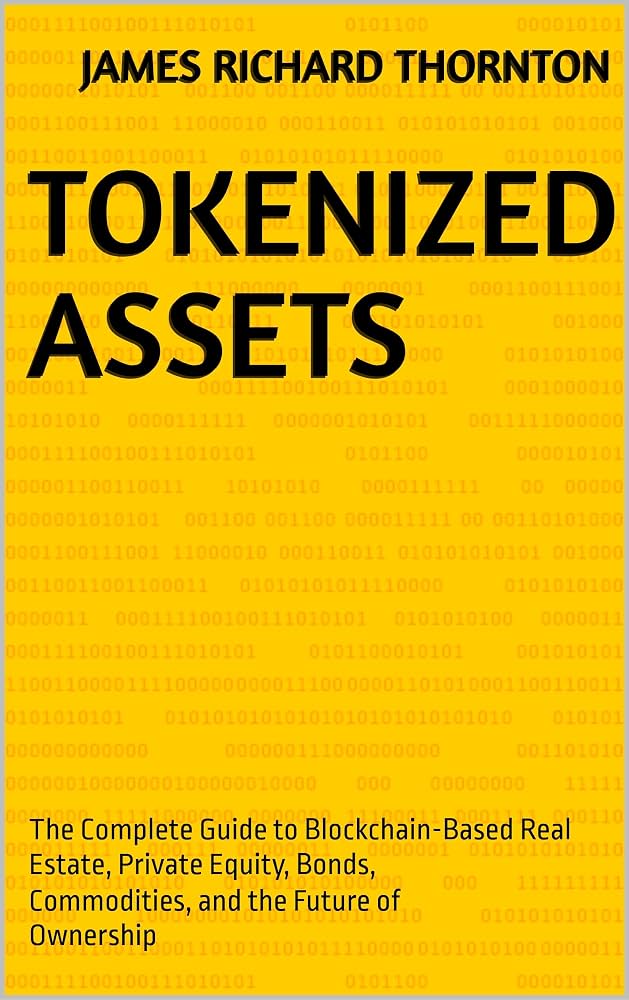
Use these product recommendations as a starting point, then choose the size, material, and price point that fit how you actually use the gear.
As an Amazon Associate, we may earn from qualifying purchases.
No comments yet. Be the first to share your thoughts!