What tokenized munis actually are
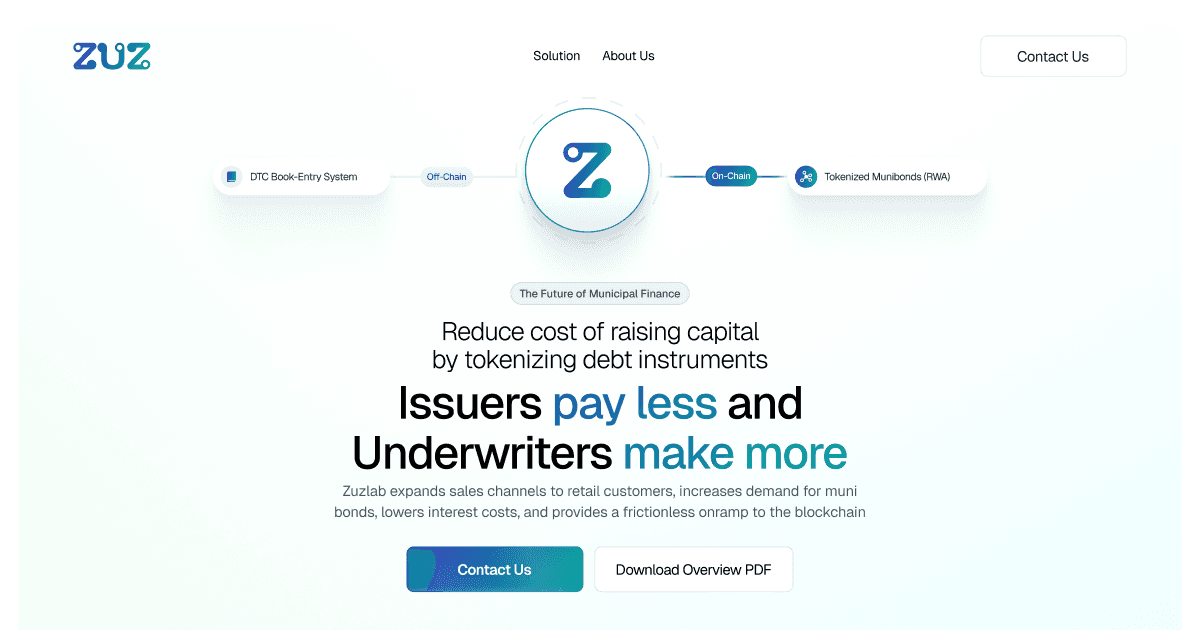
Tokenized municipal bonds are simply traditional debt securities recorded on a blockchain. Instead of relying on a centralized clearinghouse like DTC to track ownership, the bond’s ownership register lives on-chain. This shifts the infrastructure from legacy banking rails to smart contracts, but the underlying asset remains the same: a loan to a city, county, or state government.
It is important to distinguish these from stablecoins. A stablecoin is a cryptocurrency pegged to a fiat currency, designed for payments or speculation. Tokenized munis are fixed-income securities designed to generate yield. They are also distinct from "digital securities" in the broadest sense, which can include equity or complex derivatives. Here, the structure is straightforward: a bond issued by a municipal entity, represented by a digital token that proves you hold a slice of that debt.
Think of the token as a digital title deed. Just as a deed proves you own a house, the token proves you own the bond. The smart contract automates the mechanics—distributing interest payments and returning principal at maturity—reducing the need for manual reconciliation between custodians and transfer agents. This doesn't change the credit risk of the issuer, but it does change how efficiently you can buy, sell, or hold the asset.
For investors, this means accessing a market historically dominated by institutional players. The barrier to entry drops, liquidity potential rises, and settlement times shrink from days to minutes. The core value proposition isn't a new type of asset, but a more efficient way to own an old one.
Why infrastructure needs onchain liquidity
The traditional municipal bond market operates like a closed country club. It is dominated by institutional investors and large banks, with a secondary market that moves slowly and charges high fees for the privilege of trading. For the $4 trillion market that funds American schools, roads, and water systems, this fragmentation creates a paradox: while the underlying assets are stable, the capital required to support them is often stuck in silos.
Tokenization addresses this by breaking bonds into digital units on a blockchain. This process does not change the legal rights of the investor, but it changes how those rights are transferred. Instead of waiting days for paper certificates to clear through intermediaries, ownership changes can be recorded instantly. This liquidity is critical for infrastructure, which requires steady, accessible capital to maintain and expand physical assets.
The U.S. Securities and Exchange Commission (SEC) recognizes this potential. In its November 2025 concept paper, the SEC outlined a sandbox framework designed to automate compliance for municipal capital formation. By using smart contracts to enforce tax rules and reporting requirements automatically, the framework aims to reduce the friction that currently keeps retail investors on the sidelines.
This shift is not just about speed; it is about accessibility. When transaction costs drop and settlement times shrink, more investors can participate in the municipal market. This broader base of capital can help municipalities issue debt at lower rates, ultimately reducing the cost of public infrastructure for everyone.
Key differences from traditional munis
Use this section to make the Tokenized US Municipal Bonds decision easier to compare in real life, not just on paper. Start with the reader's actual constraint, then separate must-have requirements from details that are merely nice to have. A practical choice should survive normal use, maintenance, timing, and budget. If a recommendation only works in an ideal situation, call that out plainly and give the reader a fallback path.
| Factor | What to check | Why it matters |
|---|---|---|
| Fit | Match the option to the primary use case. | A good deal still fails if it does not fit the job. |
| Condition | Verify age, wear, and service history. | Hidden condition issues erase upfront savings. |
| Cost | Compare purchase price with likely upkeep. | The cheapest option is not always the lowest-cost option. |
Regulatory hurdles and compliance
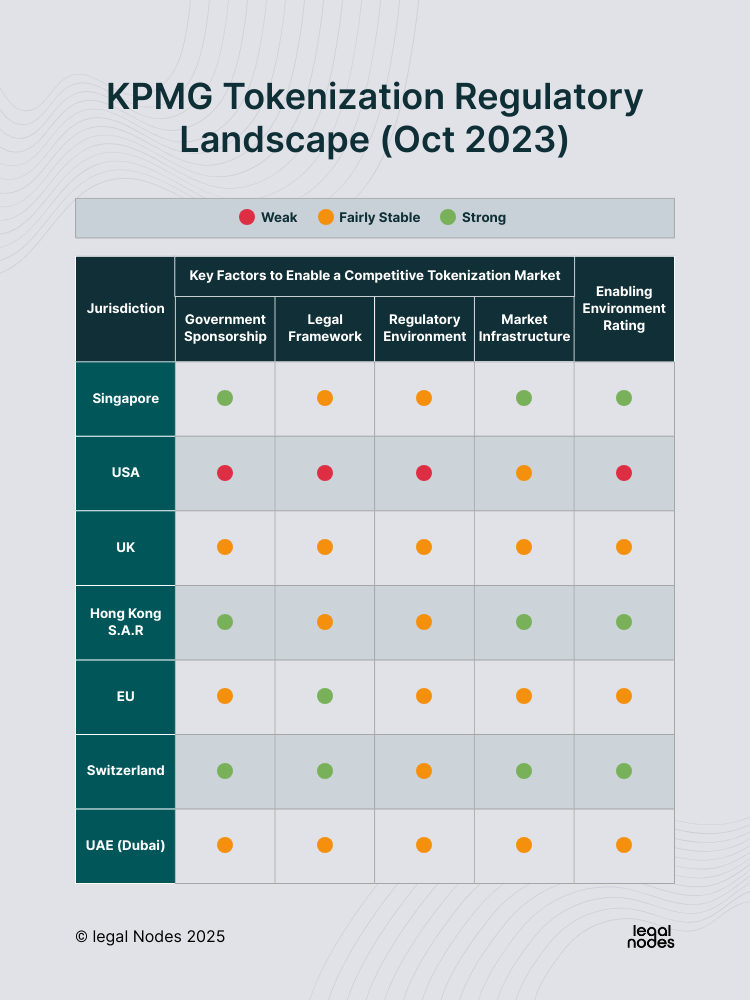
Tokenized municipal bonds sit at the intersection of two heavy regulatory engines: the SEC and the Municipal Securities Rulemaking Board (MSRB). Because these assets represent debt issued by public entities, they are not unregulated crypto experiments. They are securities, and they must follow the same strict compliance frameworks as traditional bonds.
The SEC’s recent sandbox framework for tokenized municipal instruments highlights the path forward. The agency is not banning tokenization; it is building a controlled environment to test how distributed ledger technology can automate compliance. This means that smart contracts must be designed to enforce investor eligibility rules—such as accredited investor status—directly into the code. If the code doesn’t check the box, the transaction doesn’t happen.
Simultaneously, the MSRB enforces rules around fair dealing and disclosure. For tokenized bonds, this extends to how information is disseminated on-chain. The challenge is ensuring that digital disclosures are as accessible and immutable as traditional paper filings. The goal is to maintain the high-stakes trust required for municipal debt while leveraging blockchain for efficiency.
This dual oversight means that issuers and platforms must prioritize regulatory alignment from day one. It’s not just about technology; it’s about proving that digital tokens can meet the same fiduciary standards as paper certificates.
Current yield environment and demand shifts
Municipal bonds are currently navigating a complex yield landscape. With long-term muni yields falling, the incentive to issue tender option bonds has diminished, though the market remains active. This shift reflects broader fixed-income trends where investors are recalibrating expectations for tax-exempt returns in a volatile rate environment.
Tokenization offers a potential solution to traditional liquidity constraints. By converting bonds into digital tokens, issuers and investors can access a broader pool of capital. This process simplifies settlement and reduces administrative friction, making tax-exempt fixed income more accessible to institutional and retail participants alike.
The integration of smart contracts into muni bond structures allows for automated coupon payments and principal repayments. This technology does not change the underlying credit risk but enhances operational efficiency. As regulatory frameworks evolve, particularly through guidance from the SEC and MSRB, tokenized munis could reshape how local governments fund infrastructure projects.
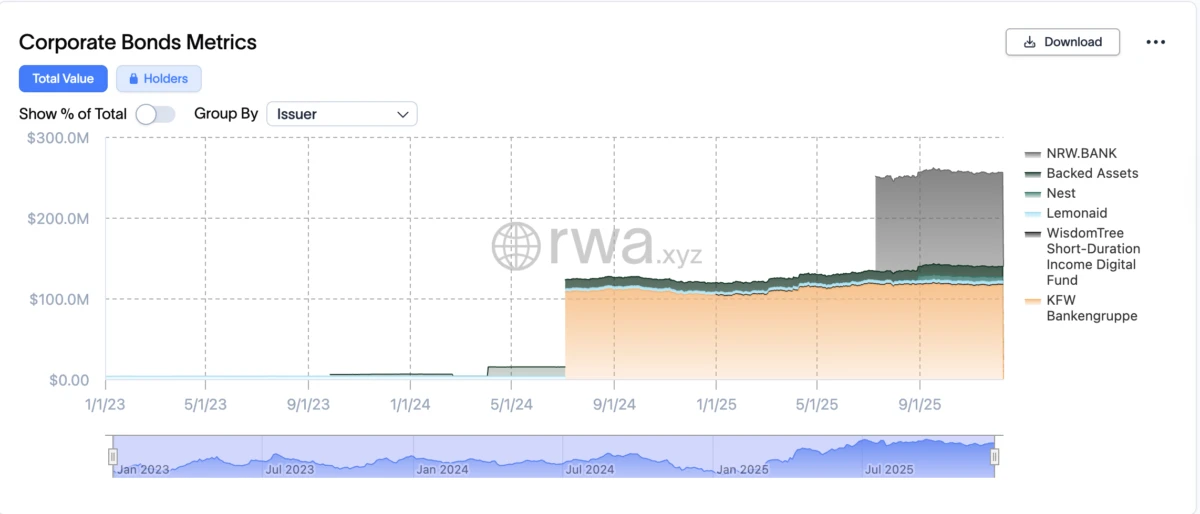
To contextualize these yield movements, the following chart illustrates historical trends in municipal bond yields. Understanding these baselines is essential for evaluating the relative value of tokenized offerings against traditional fixed-income assets.
How to evaluate tokenized muni strategies
Tokenized municipal bonds merge traditional credit risk with new technological layers. You are no longer just assessing the creditworthiness of a school district or water authority; you are also evaluating the code that holds the token and the regulatory framework that legitimizes it. Treating these assets as purely traditional fixed-income instruments is a mistake.
Use this framework to stress-test any tokenized muni offering before allocating capital.
The token is just a wrapper for the debt. The primary risk remains the issuer’s ability to pay. Review the official Statement of Activities and the latest General Obligation or Revenue Bond ratings from agencies like Moody’s or S&P. If the underlying municipality has a history of budget deficits or declining tax bases, the blockchain technology cannot protect your principal. Always prioritize the traditional credit fundamentals over the novelty of the token.
Tokenized munis rely on smart contracts to manage transfers, interest payments, and redemptions. Unlike a bank account, a bug in the code can lead to irreversible losses. Look for independent security audits from reputable firms like CertiK or OpenZeppelin. Check if the contract code is verified on a block explorer and whether it uses upgradeable proxy patterns. If the protocol lacks transparency or has never undergone a third-party audit, treat it as high-risk regardless of the issuer’s credit quality.
Regulatory clarity is the biggest differentiator between legitimate tokenized munis and speculative crypto projects. Ensure the offering complies with SEC regulations, such as Regulation D or Regulation S, and that the issuer or platform is registered appropriately. Check if the trade is reported to the Municipal Securities Rulemaking Board (MSRB). If the platform operates in a legal gray area or bypasses standard KYC/AML procedures, you face significant legal and liquidity risks that traditional bondholders do not.

Traditional munis are traded over-the-counter, which can be slow. Tokenized assets promise faster settlement, but you must understand the actual mechanics. Does the platform support secondary trading? What are the fees for buying or selling on-chain? Check the average daily volume and the spread between bid and ask prices. If the token is illiquid or the platform restricts withdrawals, you may not be able to exit your position when needed, turning a "liquid" digital asset into a stranded investment.
By following this four-step evaluation, you can separate robust tokenized muni strategies from speculative experiments. Focus on the issuer’s health, the code’s security, and the platform’s regulatory standing to protect your capital.
| Factor | Traditional Muni | Tokenized Muni |
|---|---|---|
Understanding these differences ensures you are not just chasing yield, but building a secure and compliant fixed-income portfolio.
Common questions about tokenized munis
Tokenized municipal bonds sit at the intersection of traditional fixed income and blockchain technology. While the underlying asset remains a standard debt security issued by local governments, the method of ownership and transfer has changed. This section addresses the most frequent questions regarding risks, tax implications, and market dynamics.
For the most authoritative data on municipal bond regulations and market rules, refer to the Securities and Exchange Commission (SEC) and the Municipal Securities Rulemaking Board (MSRB). These bodies oversee the legal and operational standards that govern both traditional and tokenized offerings.
No comments yet. Be the first to share your thoughts!