Tokenized us municipal bonds guide
Tokenized US municipal bonds represent a structural shift in how local governments raise capital. Instead of traditional paper certificates or legacy digital ledgers, these bonds exist as digital tokens on a blockchain. This change allows for automated compliance and faster settlement, potentially lowering costs for issuers and investors.
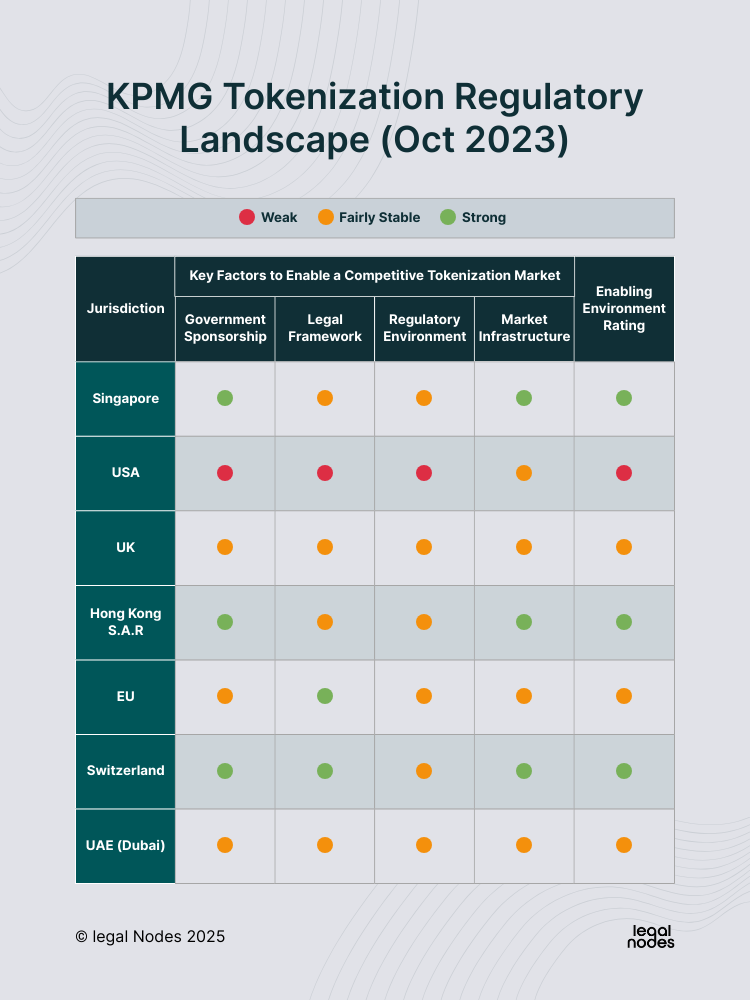
The SEC’s recent concept paper outlines a sandbox framework for this technology. It suggests that distributed ledger technology can streamline municipal capital formation by embedding compliance rules directly into the bond’s code. This approach reduces the friction typically found in traditional bond markets.
However, the transition is not without hurdles. Smart contracts automate execution, but they require rigorous auditing and legal clarity. The technology is promising, yet it remains in early stages. Investors must understand the technical risks alongside the credit risk of the underlying municipal issuer.
For now, tokenized muni bonds are primarily experimental. While the efficiency gains are clear, widespread adoption depends on regulatory approval and standardization. The market is watching to see if these digital instruments can scale beyond pilot programs.
Tokenized us municipal bonds choices that change the plan
Before allocating capital to onchain credit, you must weigh the structural differences between traditional bond holdings and their distributed ledger counterparts. The shift from paper certificates to digital tokens changes how you manage compliance, liquidity, and counterparty risk. This section breaks down the concrete factors to evaluate, moving from settlement mechanics to regulatory overhead.
Settlement and Custody
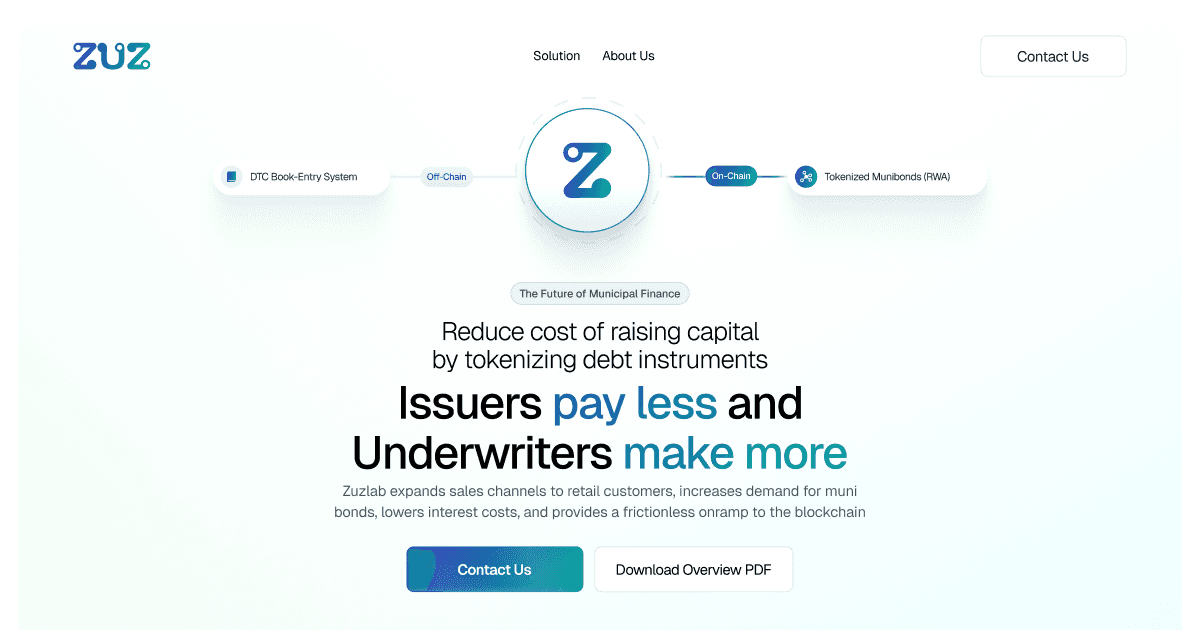
Traditional municipal bonds settle via the Depository Trust Company (DTC) in T+1 or T+2 cycles, relying on a centralized depository to maintain the master ledger. Tokenized bonds often aim for atomic settlement, where the transfer of ownership and payment occur simultaneously on-chain, reducing counterparty exposure during the trade lifecycle. However, this requires a private or permissioned ledger where you, the investor, may not hold the private keys directly. Custodial arrangements become critical; if the token platform fails or faces regulatory action, your ability to access the underlying bond may be restricted compared to the robust, albeit slower, DTC infrastructure.
Liquidity and Market Depth
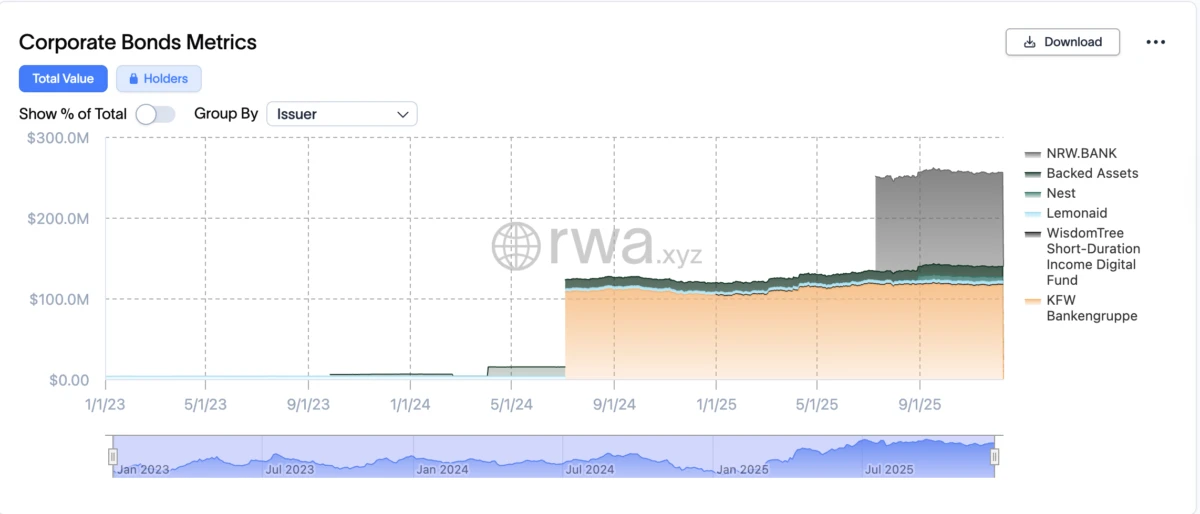
The promise of tokenization is 24/7 trading, yet the current market for tokenized municipal bonds remains fragmented. Unlike the deep, institutional liquidity of the primary and secondary municipal markets, onchain trading volumes are often thin, leading to wider bid-ask spreads. While smart contracts can automate certain compliance checks (like investor accreditation), they do not automatically create buyers. You must evaluate whether the specific tokenized issue has sufficient market depth to exit your position quickly without significant price impact, a risk that is less prevalent in traditional bond funds or direct holdings of high-grade munis.
Regulatory and Tax Compliance
Municipal bonds offer tax-exempt interest, a benefit that is strictly tied to the legal identity of the holder. Tokenization introduces complexity in maintaining this status. Smart contracts can automate withholding or restrict transfers to qualified investors, but errors in code or off-chain data feeds can lead to unintended tax liabilities or the loss of tax-exempt status. Also, the legal framework for tokenized securities is still evolving, as noted in recent SEC sandbox papers. You must ensure that the token structure clearly defines the rights of the holder and that the issuer has established a clear legal bridge between the token and the underlying municipal debt obligation.
Transparency and Data Access
Onchain bonds offer real-time visibility into ownership and transaction history, which can enhance audit trails and reduce administrative overhead for issuers. Traditional bonds rely on periodic reporting and centralized records, which can lag behind market events. However, this transparency is limited to the blockchain network; it does not replace the need for traditional financial statements or credit ratings. Investors should verify that the token platform provides access to all relevant off-chain disclosures, such as issuer financial health and project updates, to make informed credit decisions.
| Factor | Traditional Munis | Tokenized Munis |
|---|---|---|
| Settlement | T+1/T+2 via DTC | Atomic/Real-time on-chain |
| Liquidity | Deep institutional market | Fragmented, often thin |
| Compliance | Manual/Periodic checks | Automated via smart contracts |
| Custody | Centralized depository | Platform-dependent/Private keys |
| Tax Status | Established legal framework | Evolving, code-dependent |
The tradeoff is clear: tokenization offers efficiency and automation but introduces new risks around custody, liquidity, and regulatory clarity. Evaluate each factor based on your specific investment horizon and risk tolerance.
Turn research into a decision framework
Tokenized US municipal bonds are moving from pilot programs to practical infrastructure. The SEC’s recent sandbox concept paper highlights how distributed ledger technology can automate compliance and streamline capital formation. This isn’t just theoretical; it’s a structural shift in how local governments raise funds.
To navigate this space effectively, you need a clear checklist. The following steps outline the critical checks for evaluating tokenized bond offerings, ensuring you understand the legal, technical, and market implications before committing capital.
Check if the issuer or platform is operating under a recognized regulatory sandbox, such as the SEC’s framework. This status provides a layer of oversight and indicates that the token structure has been reviewed for compliance with federal securities laws. Without this verification, the legal standing of the tokenized asset remains uncertain.
Evaluate how the smart contract handles coupon payments and principal redemption. Automated execution reduces administrative friction but introduces code risk. Ensure the contract logic is transparent and has undergone independent security audits to prevent exploits that could disrupt investor returns.
Municipal bonds are traditionally illiquid. Tokenization aims to fix this, but you must verify if a genuine secondary market exists. Look for platforms that facilitate trading between qualified investors. Without active liquidity, your ability to exit the position before maturity may be severely limited.

Tokenized securities are restricted to accredited or qualified investors. Verify that the platform enforces strict KYC/AML checks at the wallet level. This ensures that only eligible participants can hold the tokens, maintaining the legal integrity of the offering and protecting the issuer from regulatory penalties.
By following these steps, you can separate viable tokenized municipal bond opportunities from speculative projects. The convergence of blockchain efficiency and traditional credit requires rigorous due diligence, but the potential for improved access and liquidity is significant.
Watch out for weak tokenized municipal bond options
The tokenized municipal bond market is expanding, but not every project offers genuine utility. Many initiatives rely on speculative narratives rather than solving actual inefficiencies in the municipal bond lifecycle. Before allocating capital or integrating these assets into a portfolio, you must distinguish between infrastructure upgrades and mere marketing.
The compliance gap
Automation sounds efficient, but it only works if the underlying legal agreements are digitized correctly. The SEC’s recent concept paper on tokenized municipal instruments highlights that many projects fail to bridge the gap between traditional legal settlements and on-chain execution. Without automated compliance layers that actually enforce tax-exempt status and investor accreditation, the "smart contract" is just a digital receipt for an unenforceable claim.
Liquidity illusions
Secondary market liquidity for tokenized munis remains a significant hurdle. Unlike publicly traded equities, these bonds often trade on private or semi-private ledgers with limited participant bases. A token might look tradable on a dashboard, but in practice, finding a counterparty can take weeks. This creates a false sense of accessibility. If you cannot exit the position quickly without a massive discount, the premium you paid for "on-chain efficiency" evaporates.
Fragmented standards
The lack of a unified standard for tokenized munis creates integration risks. Different issuers use different blockchains and settlement protocols, making it difficult for custodians and brokers to aggregate these assets. This fragmentation increases operational risk and counterparty exposure. You are not just betting on the bond’s creditworthiness; you are betting on the longevity and interoperability of the specific platform hosting the token.
Fee structures and hidden costs
Traditional munis have clear, low-cost structures. Tokenized versions often introduce new layers of fees: gas costs, platform maintenance fees, and higher spread costs due to lower volume. These costs can easily erode the yield advantage, especially for short-duration bonds. Always calculate the net yield after all on-chain and off-chain fees before considering the trade.
Tokenized us municipal bonds: practical: what to check next
Before allocating capital to onchain credit, it helps to separate the technical mechanics from the underlying legal reality. Tokenization moves the bond onto a blockchain, but it does not change the issuer’s obligation to pay. The following questions address the most common objections regarding safety, liquidity, and compliance.
Are tokenized municipal bonds safer than traditional ones?
Tokenization does not inherently reduce credit risk. The safety of a tokenized muni depends on the issuer’s financial health and the underlying project, not the ledger technology. However, smart contracts can automate compliance and distribution, reducing operational errors. The SEC’s sandbox framework notes that automated compliance can improve efficiency while maintaining regulatory standards [src-1].
Do I still get tax-exempt interest?
Yes. Tokenization is a method of ownership and settlement, not a change in the bond’s tax status. If the underlying municipal bond is tax-exempt under IRS rules, the token holder receives the same tax treatment. The key is ensuring the token platform correctly tracks ownership for tax reporting purposes. Always verify that your broker or platform provides accurate Form 1099-INT equivalents.
Can I sell tokenized munis as easily as stocks?
Liquidity is the biggest hurdle. While blockchain enables 24/7 settlement, the secondary market for tokenized munis is still nascent. You may face wider spreads or fewer buyers compared to traditional bond markets. Unlike stocks, there is no centralized exchange with guaranteed depth. Expect to hold longer or negotiate directly with other accredited investors.
Who can buy tokenized municipal bonds?
Most tokenized municipal bonds are restricted to accredited investors due to securities laws. Platforms enforce this through on-chain identity verification and wallet whitelisting. Unlike retail-friendly tokenized treasuries, munis often require KYC/AML checks before tokens can be transferred. Check the specific offering memorandum to confirm eligibility requirements before connecting your wallet.
No comments yet. Be the first to share your thoughts!