What tokenized municipal bonds actually are
Tokenized municipal bonds are traditional debt securities represented as digital tokens on a blockchain. They are not a new type of financial instrument; rather, they are a modernized delivery method for bonds that states, cities, and counties issue to fund public infrastructure. When you hold a tokenized muni bond, you hold a digital record of your ownership in that same underlying debt obligation you would hold in a traditional brokerage account.
The core difference lies in how the bond is issued, traded, and managed. In the traditional system, trades are settled through intermediaries like the Depository Trust & Clearing Corporation (DTCC), which can take days. Tokenization uses "smart contracts"—self-executing code stored on a blockchain—to automate these processes. As noted by the Pennsylvania Law Center, these agreements can be tokenized to automate execution, streamlining everything from interest payments to principal repayment.
It is important to distinguish these from stablecoins or generic crypto assets. A stablecoin like USDC is a currency pegged to the dollar. A tokenized municipal bond is a fixed-income security with a maturity date, a coupon rate, and credit risk. It represents a loan to a government entity, not a digital currency. The token is simply the certificate of that loan, existing on a digital ledger instead of a paper certificate or a central database.
This structure preserves the fundamental mechanics of municipal debt while adding the efficiency of blockchain technology. The tax-exempt status of the interest, the creditworthiness of the issuer, and the legal rights of the bondholder remain unchanged. The innovation is in the settlement and distribution layers, making high-value assets more accessible and efficient to manage.
SEC testing tokenized municipal bonds
The Securities and Exchange Commission has moved beyond theoretical discussions about digital assets and is now actively structuring the rules for tokenized municipal bonds. In November 2025, the SEC released a concept paper titled "Tokenized Municipal Instruments Under Distributed Ledger Technology," which outlines a specific sandbox framework for this infrastructure. This document is not a final rule, but it signals a clear regulatory intent to integrate blockchain technology into the municipal debt market.
The core of the SEC's approach focuses on efficiency and automated compliance. Traditional municipal bond issuance involves a complex web of intermediaries, manual settlement processes, and fragmented data records. The SEC's sandbox framework proposes using distributed ledger technology (DLT) to streamline these processes. By embedding compliance logic directly into the token, issuers and investors could potentially automate reporting requirements, reduce settlement times, and lower the cost of capital formation.
This push for automation addresses long-standing pain points in the municipal market. Manual processes are prone to errors and delays, which can increase costs for both issuers and investors. A tokenized system could provide real-time transparency and immutable records, making it easier for regulators to monitor activity and for investors to verify holdings. The SEC is essentially testing whether DLT can make the municipal market more accessible and efficient without compromising investor protection.
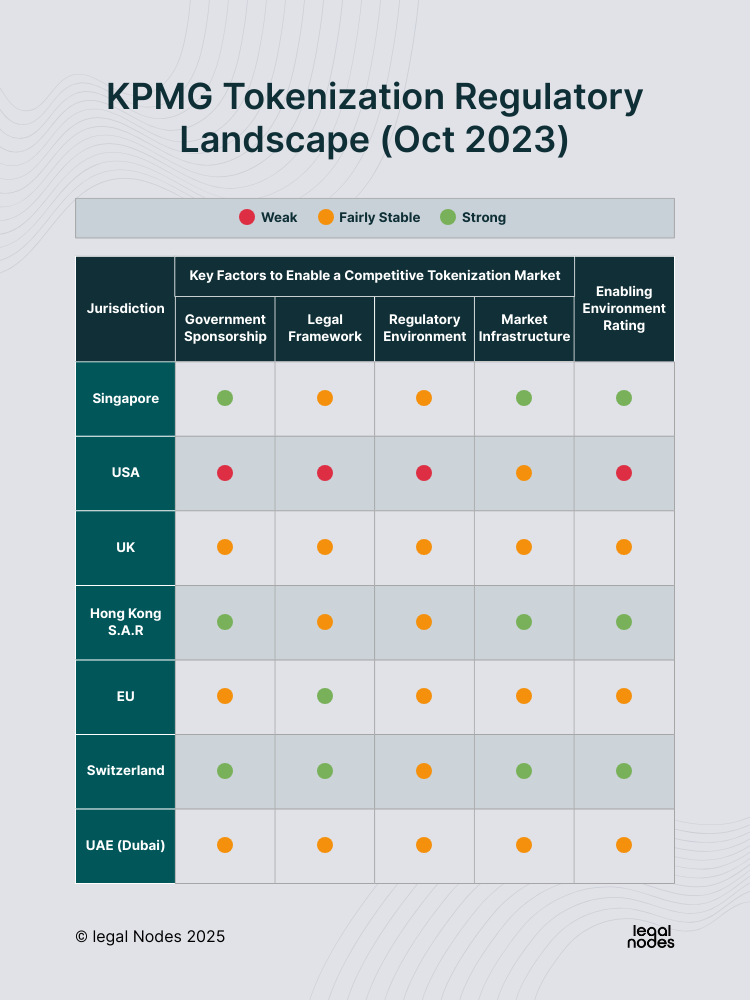
The agency is also considering how existing securities laws apply to these new digital formats. The concept paper explores whether current regulations are sufficient or if new rules are needed to address the unique characteristics of tokenized assets. This includes issues like ownership rights, transfer restrictions, and the role of intermediaries in a decentralized environment. The SEC's goal is to create a regulatory environment that encourages innovation while maintaining the integrity of the financial system.
As the SEC continues to test and refine this infrastructure, market participants are watching closely. The potential impact on the $4 trillion municipal bond market could be significant, offering new opportunities for liquidity and efficiency. However, widespread adoption will depend on overcoming technical, legal, and cultural hurdles. The SEC's sandbox framework provides a structured path forward, but the journey from pilot to mainstream adoption remains complex.
Liquidity and access benefits for investors
Tokenized municipal bonds offer significant improvements in liquidity and access compared to traditional fixed-income markets. Traditional munis are often held to maturity due to high minimum investment sizes and secondary market friction. Tokenization lowers these barriers by enabling fractional ownership and 24/7 trading on compatible platforms.
| Factor | What to check | Why it matters |
|---|---|---|
| Fit | Match the option to the primary use case. | A good deal still fails if it does not fit the job. |
| Condition | Verify age, wear, and service history. | Hidden condition issues erase upfront savings. |
| Cost | Compare purchase price with likely upkeep. | The cheapest option is not always the lowest-cost option. |
Key risks and regulatory hurdles
Tokenized municipal bonds promise efficiency, but they introduce layers of complexity that traditional investors often overlook. The core promise of automation relies on code, and code is vulnerable. If a smart contract contains a flaw or is exploited, the resulting loss can be immediate and irreversible. Unlike a bank account where fraud might be disputed and reversed, blockchain transactions are final. The Securities and Exchange Commission (SEC) has highlighted these smart contract risks in its concept papers, emphasizing that the code governing the bond must be as rigorous as the legal agreement it represents [[src-serp-1]].
Liquidity is another fragile pillar. While tokenization theoretically opens the market to a global pool of buyers, it often fragments liquidity across multiple private platforms and decentralized exchanges. A tokenized bond might look liquid on paper, but if there are no active buyers on the specific ledger where the token resides, you may be stuck holding an illiquid asset. This fragmentation can widen bid-ask spreads and make it difficult to exit a position quickly without taking a significant haircut, especially during market stress.
Regulatory uncertainty looms large, particularly around tax treatment. Municipal bonds are prized for their tax-exempt interest, but the IRS has not yet issued clear guidance on how this status applies to digital tokens. If the structure of the token is deemed a security rather than a traditional debt instrument, or if the custody structure changes the nature of the holding, the tax benefits could be jeopardized. Until the MSRB and the IRS provide clearer frameworks, investors are navigating uncharted territory where the tax advantage is not guaranteed [[src-serp-2]].
Market context
The volatility in broader crypto markets can spill over into tokenized fixed-income products, creating price dislocations that don't reflect the underlying credit quality of the municipality. Monitoring the broader market sentiment is essential for understanding these price movements.
How to evaluate tokenized muni bond platforms
Evaluating platforms requires a focus on regulatory compliance, custody solutions, and secondary market depth. Unlike traditional brokers, tokenized platforms often operate in a hybrid space between fintech and securities trading.
Market outlook and adoption trends
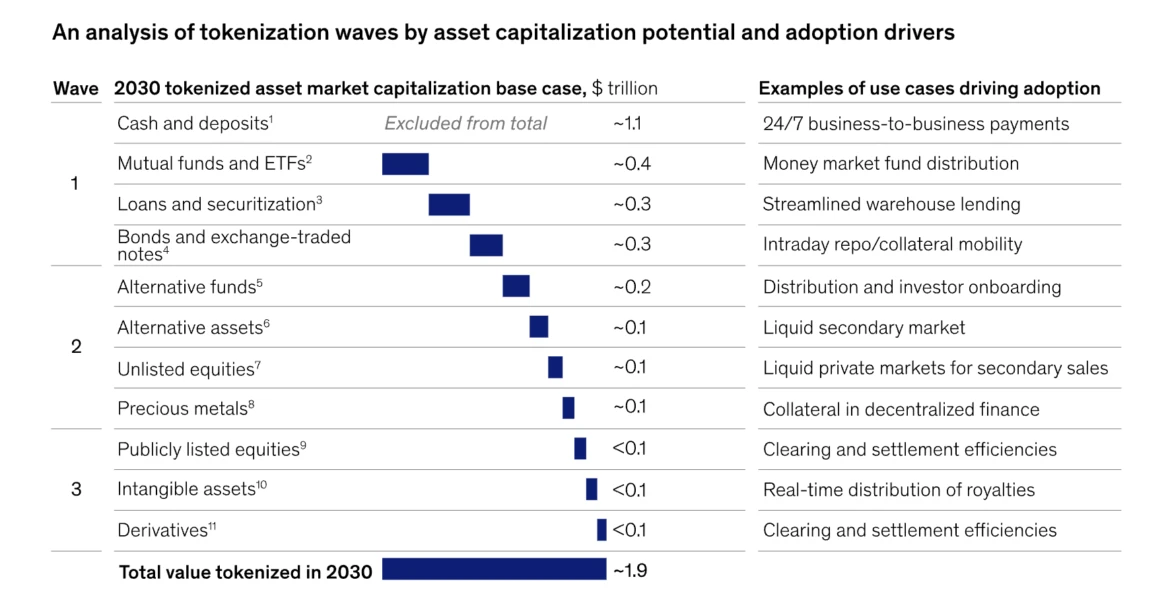
The market for tokenized US municipal bonds is shifting from experimental pilots to structured infrastructure integration. While the technology remains niche, institutional interest is solidifying as traditional financial players seek to modernize settlement processes and reduce counterparty risk in the fixed-income space. This transition is driven by the need for greater liquidity in a traditionally illiquid asset class.
Traditional municipal bond markets operate on legacy systems that can take days to settle, creating friction for investors. Tokenization offers a pathway to near-instant settlement through distributed ledger technology. This efficiency gain is particularly attractive to institutional investors managing large portfolios who require faster access to capital and real-time transparency.
The broader market context for municipal debt remains significant. The following chart illustrates the performance of a major municipal bond ETF, providing a baseline for how traditional munis are trading relative to emerging tokenized structures.
Institutional adoption is currently led by major financial institutions and select fintech platforms that are building compliant bridges between traditional finance (TradFi) and blockchain networks. These entities are not just experimenting; they are developing the regulatory frameworks and custody solutions necessary for broader deployment. The focus is on creating a seamless experience that meets the strict compliance requirements of the SEC and MSRB.
As the infrastructure matures, the distinction between tokenized and traditional bonds will likely blur, with tokenized versions offering superior operational efficiency. The key metric to watch is not just the volume of issuance, but the depth of secondary market trading. A liquid secondary market is the true indicator that tokenized municipal bonds have moved beyond a novelty into a functional component of the global financial system.
Frequently asked questions about tokenized munis
How do tokenized bonds work?
Tokenized municipal bonds are traditional debt obligations issued by states, cities, or counties to fund public projects like schools and infrastructure src-serp-4. The "token" is a digital representation of the bond on a blockchain, managed by smart contracts that automate interest payments and principal repayment src-serp-2.
What is the downside of tax-free municipal bonds?
While attractive for their tax-exempt status, munis often offer lower yields than comparable corporate bonds. They also carry credit risk if the issuing municipality faces financial distress. Additionally, liquidity can be thin compared to broader bond markets, making it harder to sell large positions quickly without impacting the price.
What is the downside of tokenization?
Despite promises of efficiency, tokenization introduces new risks. The technology is still maturing, meaning regulatory clarity remains fragmented. Investors face smart contract vulnerabilities and potential platform failures. The secondary market for tokenized assets is currently illiquid, limiting the ability to exit positions compared to traditional bond markets.
Which company is leading in tokenization?
No single firm dominates the space yet. Major players include JPMorgan (Onyx), Franklin Templeton, and BlackRock, each experimenting with different blockchain protocols. The market is still in a pilot phase, with many institutions focusing on internal settlement efficiency rather than public retail distribution.
No comments yet. Be the first to share your thoughts!