Get tokenized US municipal bonds right
Tokenization changes how ownership is recorded, but it does not change the underlying legal obligation of the issuer. A tokenized municipal bond is still a debt instrument backed by the taxing or revenue powers of a municipality, not a speculative crypto asset. Before you allocate capital, you must verify that the digital representation accurately mirrors the traditional bond’s legal and economic terms.
The SEC’s recent pilot programs treat these tokens as digital representations of traditional securities, meaning they remain subject to existing securities laws. Your primary focus should be on the bridge between the blockchain ledger and the legal entity holding the debt. If that link is weak, the token is just a digital receipt with no enforceable claim.
1. Verify the Legal Wrapper
Ensure the token is issued under a recognized legal structure, such as a Delaware statutory trust or a special purpose vehicle. This entity holds the actual bond. Without this wrapper, you have no legal recourse if the issuer defaults or if the smart contract fails. Check that the token’s smart contract code is audited and that the legal terms are publicly accessible.
2. Confirm Custody and Settlement
Determine who holds the underlying bond. Is it held by a qualified custodian, or is it held by the platform operator? Segregation of assets is critical. If the platform goes bankrupt, you need to know that your bond is not part of the platform’s estate. Look for custody arrangements that comply with SEC or state regulations for securities custodians.
3. Check Liquidity and Secondary Market Access
Tokenization promises 24/7 liquidity, but reality is often different. Most tokenized munis still trade on limited secondary markets. Verify that there is a functioning marketplace for buying and selling these tokens. Without a clear exit strategy, you may be stuck with an illiquid asset that cannot be converted to cash when needed.
4. Understand Tax Reporting
Municipal bond interest is often tax-exempt at the federal level. Ensure the platform provides accurate tax documents (like Form 1099-INT) for your crypto wallet address. If the platform does not support tax reporting for digital assets, you may face significant compliance headaches during tax season.
How to tokenize municipal bonds for onchain settlement
Tokenized municipal bonds convert traditional debt instruments into digital tokens that encode ownership, transfer rights, and economic terms. This process moves bond issuance and settlement from legacy clearinghouses to blockchain networks, reducing friction and enabling 24/7 trading. The following steps outline the operational workflow for issuing and managing these digital assets in 2026.
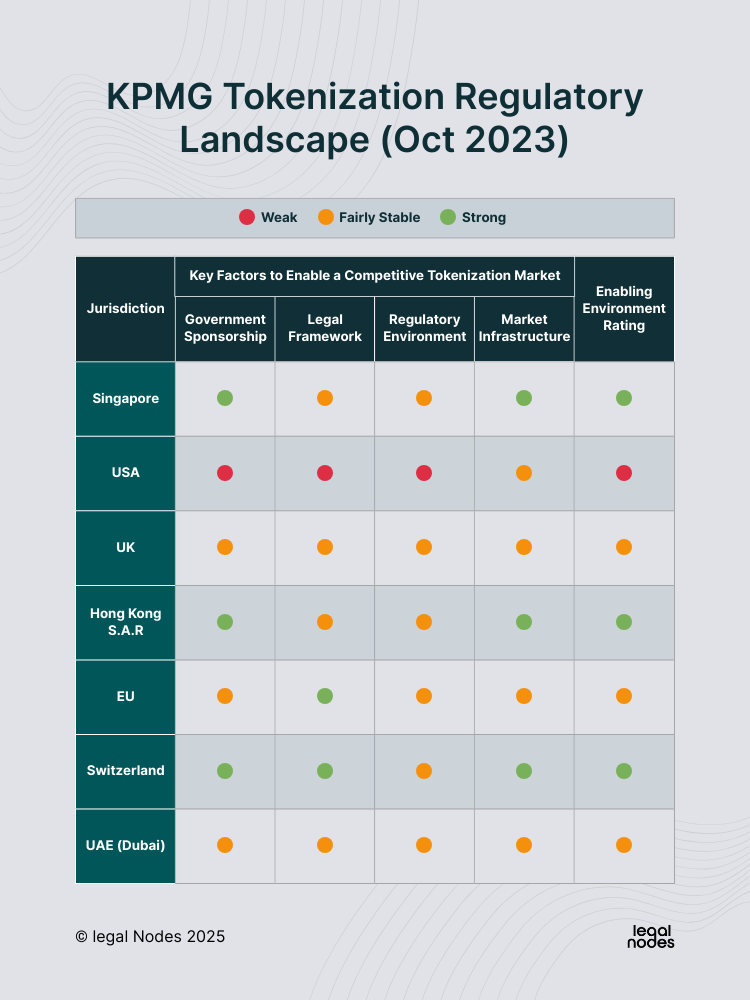
Municipal bonds require infrastructure that complies with securities regulations. Choose a provider that supports KYC/AML integration and offers permissioned access. Major platforms like Fidelity Digital Assets and Securitize provide the necessary compliance layers to ensure that only accredited investors can hold or trade these tokens. Verify that the provider supports the specific smart contract standards required by your target secondary market venues.
Once the infrastructure is selected, encode the bond’s key terms—coupon rate, maturity date, and issuer details—into a smart contract. This digital representation must match the legal offering memorandum exactly. Mint the tokens to represent fractional or whole ownership of the underlying municipal debt. Ensure that the token contract includes functions for automatic interest payments and principal repayment at maturity, which are triggered by on-chain events or oracle feeds.
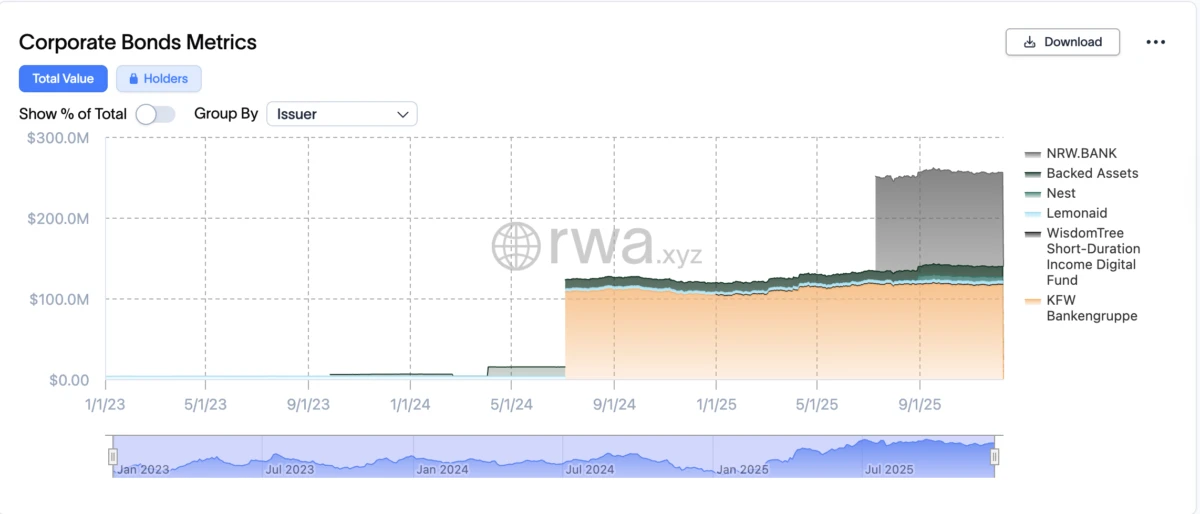
Distribution occurs through regulated channels. Investors must pass identity verification before receiving tokens in their digital wallets. The distribution process should be automated via the smart contract, which restricts transfers to verified addresses. This ensures that the bond remains compliant with SEC regulations throughout its lifecycle. Use a secure wallet solution that supports multi-signature requirements for institutional investors.
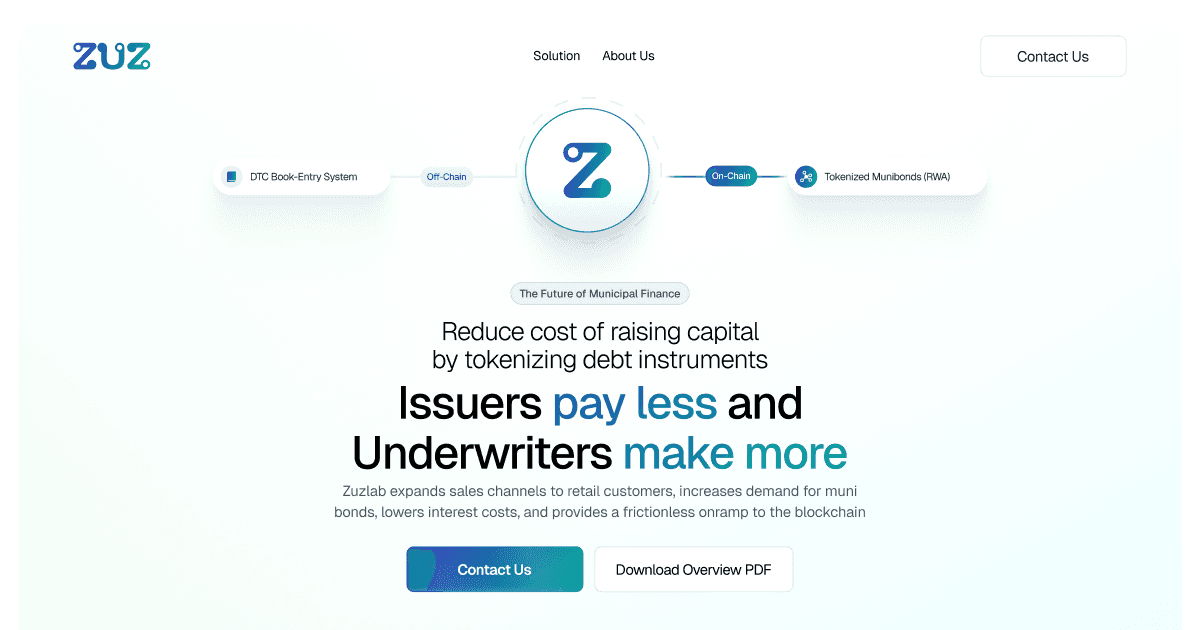
After distribution, tokens can be traded on secondary marketplaces that support digital securities. These venues provide liquidity and price discovery for tokenized bonds. Ensure that the trading platform integrates with your distribution provider to maintain compliance records. Secondary trading should be restricted to accredited investors to comply with Regulation D or Regulation S, depending on the target audience. Monitor trading activity for any suspicious patterns that might indicate regulatory violations.
The final step involves the automated execution of financial obligations. Smart contracts can automatically distribute coupon payments to token holders on a scheduled basis, eliminating the need for manual processing. At maturity, the principal amount is returned to the token holders’ wallets. This automation reduces operational costs and minimizes the risk of payment errors. Ensure that the smart contract is audited and that the treasury accounts are securely managed to facilitate these transactions.
-
Verify blockchain provider’s SEC compliance status
-
Encode bond terms in smart contract accurately
-
Complete KYC/AML for all investor wallets
-
Test automated payment functions on testnet
-
Audit smart contract for security vulnerabilities


As an Amazon Associate, we may earn from qualifying purchases.
Common mistakes in tokenized municipal bond infrastructure
Tokenizing municipal bonds offers clear benefits, but the transition from traditional ledger systems to onchain infrastructure introduces specific points of failure. These errors often stem from treating blockchain as a simple database rather than a distinct settlement layer. Understanding these pitfalls is essential for maintaining the integrity of onchain credit instruments.
Treating tokens as direct copies of physical certificates
A frequent error is assuming that a token is merely a digital representation of a paper certificate. This view ignores the fundamental shift in how ownership is recorded. When a municipal bond is tokenized, ownership, transfer rights, and economic terms are encoded directly into the digital token. This token lives on a distributed ledger, not in a central depository. Assuming the token is a passive copy leads to incorrect assumptions about settlement finality and liquidity.
Ignoring the regulatory sandbox framework
Municipal securities are heavily regulated. A common mistake is deploying tokenized instruments without adhering to established regulatory frameworks. The SEC’s pilot programs and sandbox frameworks require strict adherence to digital representation standards. Failing to align token smart contracts with these regulatory requirements can result in compliance violations. This is not a technical hurdle but a legal one that requires careful navigation of existing securities laws.
Overlooking settlement finality differences
Traditional bond settlements occur via DTCC or other central counterparties. Onchain settlements are instantaneous but irreversible. A common error is underestimating the operational impact of this change. If a transaction is broadcast to the network, it cannot be undone. This requires robust pre-trade checks and real-time monitoring. Treating onchain settlement as identical to T+2 or T+1 settlement leads to operational friction and potential financial loss.
Misunderstanding the underlying asset linkage
The token must accurately reflect the underlying municipal debt instrument. Errors in mapping the token’s metadata to the bond’s legal terms—such as interest payment dates, covenants, and maturity—can create significant discrepancies. This is not just a data entry error; it is a structural flaw that can invalidate the token’s legal standing. Ensuring the digital token’s code matches the legal offering document is critical.
Tokenized us municipal bonds: what to check next
Investors often hesitate to move traditional municipal debt onchain because the mechanics differ from standard brokerage accounts. Understanding how ownership, compliance, and liquidity work in a tokenized environment is essential before allocating capital.
No comments yet. Be the first to share your thoughts!