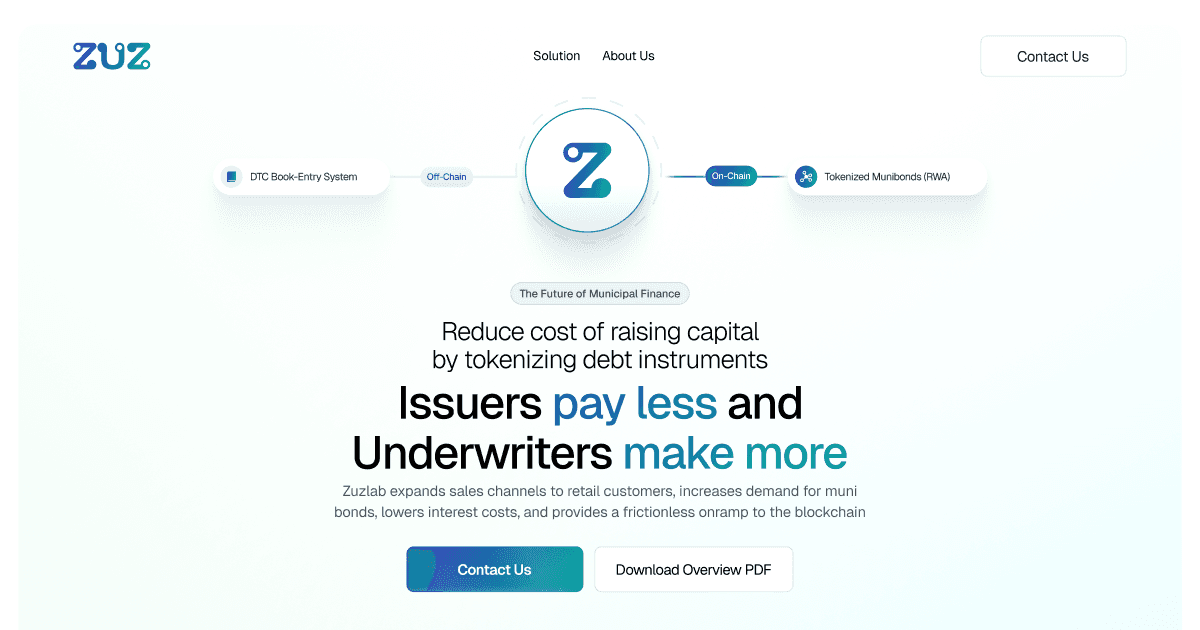
What tokenized muni bonds actually are
Tokenized US Municipal Bonds represent a shift in how public debt is issued and traded, moving from fragmented, paper-heavy processes to programmable digital assets. This section defines the core mechanics, compares them to traditional structures, and outlines the regulatory realities you need to know before investing.
The 2026 regulatory sandbox landscape
The regulatory environment for tokenized securities is evolving, with the SEC and MSRB actively monitoring pilot programs. Understanding these frameworks is critical, as compliance determines whether a tokenized bond is a legitimate investment or a speculative experiment.
Infrastructure Funding and Accessibility
Tokenization fundamentally changes who can fund public works. Traditional municipal bonds often require large minimum investments, typically $5,000 or more, which excludes many individual investors. By issuing bonds as digital tokens, issuers can split ownership into smaller fractions. This lowers the barrier to entry, allowing retail investors to participate in funding local infrastructure projects like schools, roads, and water systems.
This shift also improves liquidity. Municipal bonds are traditionally held to maturity because the secondary market can be slow and expensive to navigate. Tokenized bonds settle on blockchain networks, reducing settlement times from days to minutes. This efficiency makes it easier for investors to buy and sell positions without the high transaction costs that usually discourage active trading.
Traditional vs. Tokenized Municipal Bonds
The following comparison highlights the structural differences between conventional muni bonds and their tokenized counterparts.
| Feature | Traditional Muni Bonds | Tokenized Muni Bonds |
|---|---|---|
| Minimum Investment | $5,000+ | $100 or less |
| Settlement Time | T+2 to T+3 days | Minutes to hours |
| Liquidity | Low (OTC market) | Higher (24/7 trading) |
| Record Keeping | Paper or centralized custodian | Distributed ledger |
Regulatory Reality
While the technology offers clear benefits, the regulatory landscape remains strict. The Securities and Exchange Commission (SEC) and the Municipal Securities Rulemaking Board (MSRB) continue to oversee how these assets are issued and traded. Investors should verify that any tokenized bond platform complies with existing securities laws. The goal is not to bypass regulation but to modernize the infrastructure within it.
For public officials, this means broader access to capital. For investors, it means a more transparent and efficient way to support community projects while potentially earning tax-exempt income. As the market matures, we expect to see more municipalities exploring these digital rails to meet funding needs.
How smart contracts automate payments
When a municipal bond is tokenized, the ownership, transfer rights, and economic terms of that bond are encoded into a digital token that lives on a blockchain ledger. This isn't just a digital receipt; it's a programmable asset. The "smart contract" acts as the automated middleman, replacing the traditional batch-processing systems that currently handle interest payments and principal redemption.
Traditionally, paying bondholders involves a chain of intermediaries: the issuer, the trustee, the transfer agent, and the custodian. Each step adds administrative overhead and potential for error. With tokenized bonds, the smart contract holds the escrowed funds and distributes interest directly to the wallet addresses registered on the ledger. This reduces the lag between payment dates and settlement, cutting out several layers of administrative friction.
Ownership transfers work similarly. Instead of a back-and-forth between broker-dealers and clearinghouses, the transfer happens on-chain. The smart contract verifies that the buyer has the necessary funds and that the seller holds the tokens. Once verified, the tokens change hands instantly. This process aligns with the municipal market's evolving infrastructure, where efficiency is driven by technology rather than manual reconciliation.
The result is a system that is less prone to human error and more transparent. Regulatory bodies like the MSRB are watching this shift closely, as it changes how trade reporting and compliance are handled. The technology doesn't replace the bond; it streamlines the plumbing that keeps the bond market running.
How to vet tokenized bond platforms
Not all platforms offering tokenized municipal bonds are created equal. Because these instruments are digital representations of traditional debt, the platform you choose acts as the bridge between blockchain technology and regulated finance. Your primary focus should be on regulatory compliance and custodial security, ensuring that the token truly represents a claim on the underlying municipal bond.
Start by verifying if the platform operates within an official regulatory framework. The U.S. Securities and Exchange Commission (SEC) has explored sandbox programs to test tokenized securities, such as its pilot program for digital representations of municipal debt. Platforms participating in or approved by such frameworks are generally more secure than those operating in regulatory gray areas. You can check for participation in these pilots or look for explicit registration with the SEC or the Municipal Securities Rulemaking Board (MSRB).
Beyond compliance, examine the custodial structure. Who holds the actual bond? Is it a regulated bank, a qualified trust company, or an unregulated entity? The security of your investment depends on this separation. If the platform fails, does the token holder still have a legal claim to the bond? Look for clear disclosures on how ownership is recorded and how disputes are handled. A reputable platform will provide transparent, auditable records of these processes.
| Verification Step | What to Look For | Why It Matters |
|---|---|---|
| Regulatory Status | SEC sandbox participation or MSRB registration | Ensures legal oversight and investor protection |
| Custodian | Regulated bank or qualified trust company | Protects the underlying asset if the platform fails |
| Transparency | Clear disclosure of ownership records | Confirms your legal claim to the bond |
Always consult official sources like the SEC and MSRB for the latest guidelines. Do not rely on platform marketing materials alone. If a platform cannot clearly explain its regulatory status or custodial arrangements, it is a red flag. Prioritize platforms that offer full transparency and adhere to established financial regulations. This diligence is essential for protecting your investment in this emerging market.
Technical Analysis of Tokenized Muni Bond Infrastructure
To understand the viability of tokenized municipal bonds, it is necessary to examine the underlying technical infrastructure that supports these assets. This includes the blockchain protocols used for settlement, the smart contract standards for tokenization, and the integration points with traditional financial systems.
No comments yet. Be the first to share your thoughts!