What tokenized muni bonds actually are
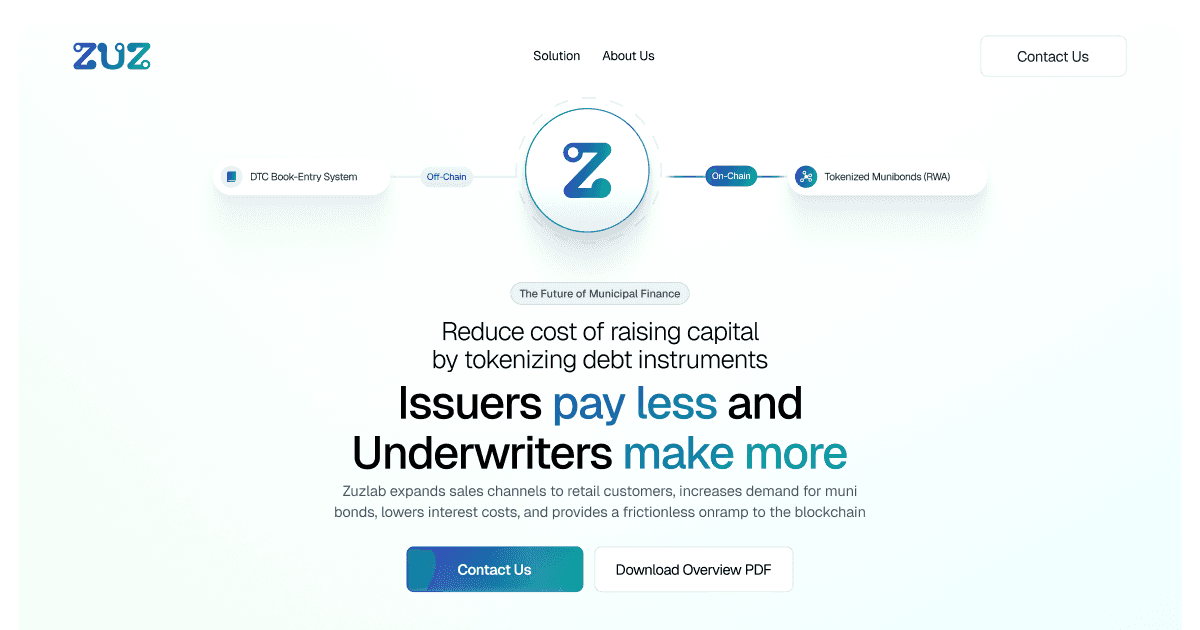
Tokenized municipal bonds are digital representations of traditional municipal debt. When a bond is tokenized, the ownership, transfer rights, and economic terms are encoded into a digital token that lives on a blockchain. The underlying asset remains the same municipal bond issued by states, cities, or counties to fund public obligations; the token is simply the digital ledger of that ownership.
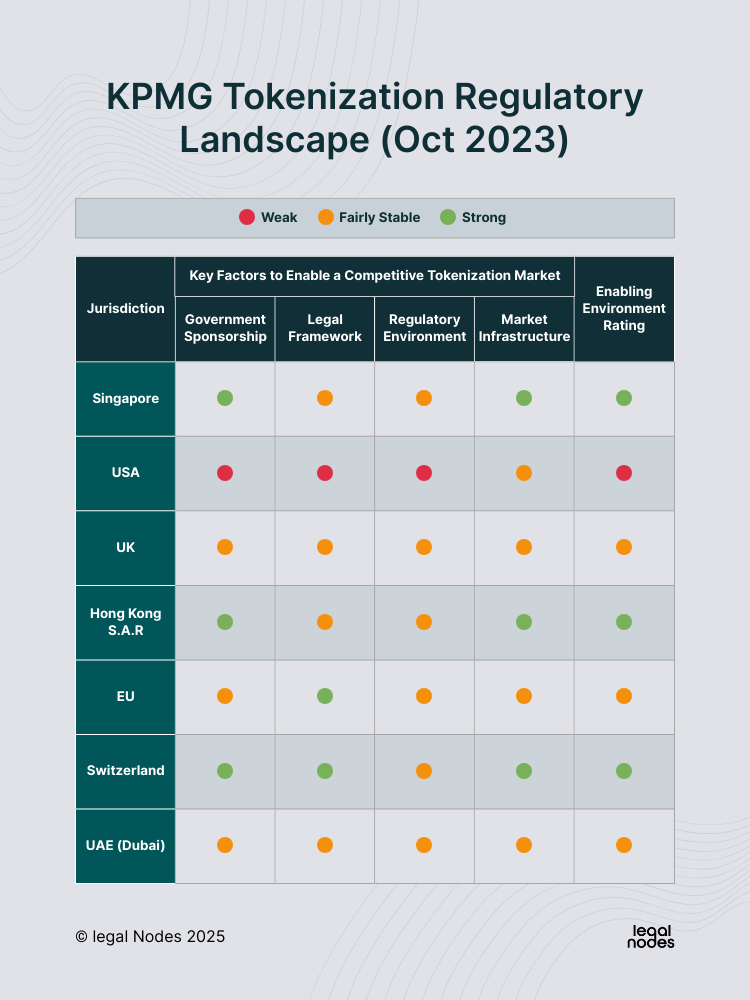
This structure allows the bond to comply with existing securities laws while leveraging blockchain technology for efficiency. The U.S. Securities and Exchange Commission (SEC) has explored this space through regulatory sandboxes, treating tokenized securities as digital representations of traditional instruments rather than entirely new asset classes. This means they are subject to the same regulations as their traditional counterparts, overseen by bodies like the Municipal Securities Rulemaking Board (MSRB).
By keeping the legal and economic terms identical to traditional munis, tokenization aims to reduce settlement times and lower administrative costs. Investors still earn interest and receive principal repayment at maturity, but the process is handled automatically by code rather than manual intermediaries. This approach bridges the gap between legacy fixed-income markets and modern digital infrastructure, offering a familiar product with a more efficient backend.
How the backend works
Tokenized municipal bonds rely on smart contracts to automate the mechanics of traditional debt. A smart contract is software stored on a blockchain that executes the bond's terms automatically. This setup handles coupon payments and maturity dates without manual intervention, reducing administrative overhead and minimizing the risk of human error. When you buy a tokenized bond, you are lending money to the issuer in exchange for a promise of regular interest payments and the return of the face value, but the delivery of those payments is handled by code rather than paperwork.
The SEC's regulatory sandbox provides a controlled environment to test these innovations. In this pilot program, tokenized securities are structured as digital representations of traditional municipal debt instruments. This allows market participants to explore the benefits of blockchain technology while staying within a framework designed to protect investors and ensure market integrity. The sandbox is not a free-for-all; it is a structured approach to modernizing the market by testing new tools before broader implementation.
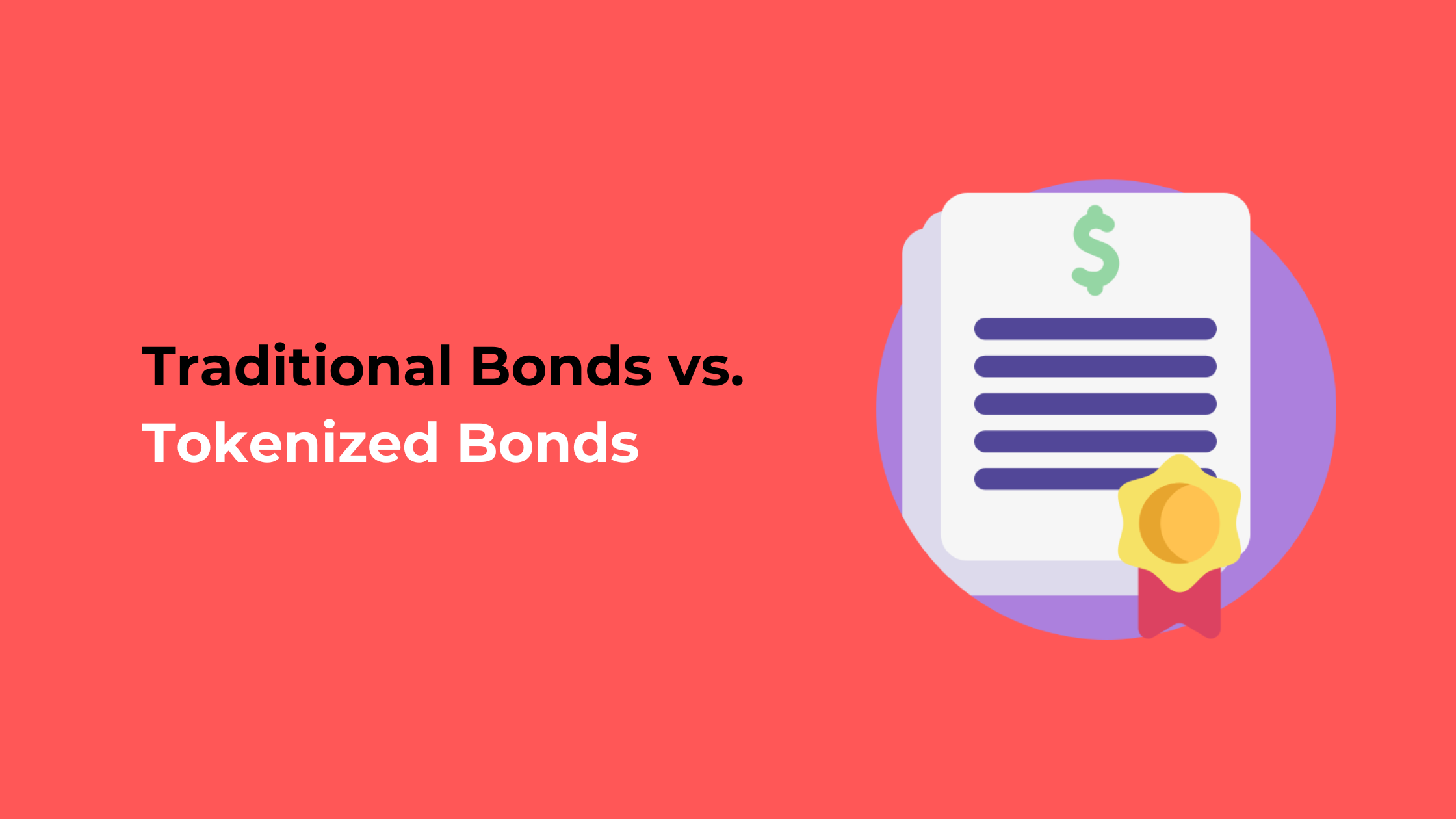
To understand how these digital instruments compare to traditional ones, consider the following breakdown of key operational differences:
| Feature | Traditional Muni | Tokenized Muni |
|---|---|---|
| Payment Delivery | Manual/Agent | Automated Smart Contract |
| Settlement Time | T+2 or longer | Near-instant |
| Record Keeping | Centralized Ledger | Distributed Blockchain |
The shift to tokenization is not just about speed; it is about creating a more transparent and efficient market infrastructure. By automating routine tasks, smart contracts free up resources for other critical functions, such as compliance and investor relations. This efficiency is a key driver behind the SEC's interest in regulatory sandboxes, which allow for the careful testing of these new systems.
Key tools for tokenized muni bond analysis
You cannot trade what you cannot track. Tokenized municipal bonds operate on a different technical layer than traditional paper bonds, requiring software that reads the blockchain as carefully as it reads the credit rating. The right tools bridge the gap between on-chain liquidity and off-chain regulatory data.
When evaluating platforms, look for interfaces that display real-time yield curves alongside token transfer history. If a tool shows price but hides the underlying smart contract address, it is not giving you the full picture. The best analysis platforms integrate data from the Municipal Securities Rulemaking Board (MSRB) directly with on-chain settlement logs.
| Feature | Traditional Brokerage | Tokenized Platform |
|---|---|---|
| Settlement | T+1 or T+2 | T+0 or near-instant |
| Minimum Investment | $5,000–$100,000 | $100–$1,000 |
| Data Source | Bloomberg/Refinitiv | On-chain + MSRB |
The following tools are essential for analyzing the market. They range from broad market data aggregators to specialized blockchain explorers that verify bond ownership.



As an Amazon Associate, we may earn from qualifying purchases.
On-Chain Data Terminals
Tools like Dune Analytics or Flipside Crypto allow you to write SQL queries against the blockchain. This is critical for verifying that a tokenized bond’s smart contract actually holds the underlying treasury notes. Without this verification, you are trading a promise, not a bond. These terminals let you track the flow of principal and interest payments from the issuer to the token holder in real time.
Portfolio Analytics Platforms
For broader market context, platforms like Fidelity’s municipal bond portal or specialized fintech dashboards provide the off-chain data. You need to compare the on-chain token price against the NAV (Net Asset Value) of the underlying bond fund. Significant deviations often signal liquidity issues or settlement delays. Look for tools that calculate the "token spread"—the difference between the secondary market token price and the primary market bond yield.
Regulatory Compliance Checkers
Tokenized munis are subject to SEC and MSRB regulations. Use compliance tools that flag whether a token holder meets Accredited Investor status or if the transaction occurred on a registered alternative trading system (ATS). These tools scan blockchain addresses against regulatory blacklists and ensure that the token’s metadata includes the required offering circulars.
Strategy for institutional and retail investors
Tokenized municipal bonds are shifting from experimental pilots to a practical layer of the fixed-income market. The primary advantage for both institutions and retail investors is liquidity. Traditional muni bonds often sit in illiquid silos, but tokenization allows for faster settlement and broader distribution. As Fidelity notes, this is an evolution, not a revolution, encoding ownership and transfer rights into digital tokens that can move more efficiently than paper-based equivalents.
Fractional ownership is another key driver. By tokenizing bonds, the minimum investment size is reduced, opening access to a broader range of investors who previously couldn't meet the standard $5,000 or $25,000 lot sizes. This democratization allows retail investors to diversify across multiple issuers and maturities, while institutions can execute large trades with less market impact.
Transparency is also improved through the immutable ledger. Every transaction, coupon payment, and maturity event is recorded on-chain, providing a clear audit trail. However, investors must plan around the regulatory landscape. The SEC and MSRB are actively shaping the rules, so compliance with securities laws remains paramount. Tax implications also vary; investors should consult tax advisors to understand how digital ownership structures affect their municipal bond tax benefits.
How to tokenize a bond step by step
Tokenizing a municipal bond is less about writing code and more about coordinating legal, financial, and technical teams to create a digital twin of a traditional debt instrument. The process moves from legal structuring to smart contract deployment, ensuring every step complies with SEC and MSRB regulations.
1. Structure the bond legally
Before any blockchain work begins, the issuer must define the bond’s terms in a way that translates to digital assets. This involves working with legal experts to ensure the tokenized version meets securities laws. The goal is to create a legal wrapper that defines investor rights, coupon payments, and maturity dates.
2. Select the blockchain and infrastructure
Not all blockchains are suitable for regulated municipal debt. Issuers typically choose permissioned or regulated public chains that offer compliance features like whitelisting. This infrastructure must support the specific token standard (often ERC-1400 or similar security token standards) required by regulators.
3. Develop the smart contract
The smart contract is the engine of the tokenized bond. It automates the execution of the bond’s terms, such as distributing interest payments and managing principal repayment. As noted by the Local Government Commission, these contracts store the agreement on the blockchain, automating execution without manual intervention.
4. Integrate compliance and identity
Security tokens require strict identity verification. The system must integrate with KYC/AML (Know Your Customer/Anti-Money Laundering) providers to ensure only eligible investors can hold the tokens. This layer is critical for maintaining the bond’s status as a regulated security.
5. Mint and distribute the tokens
Once the contract is deployed and audited, the tokens are minted. These digital tokens represent fractional ownership of the bond. Distribution can happen through primary issuance or secondary trading platforms, depending on the liquidity strategy.
6. Manage ongoing lifecycle events
Tokenization doesn’t end at issuance. The smart contract must handle ongoing events like coupon payments, which are automatically distributed to token holders’ wallets. It must also manage maturity, returning the principal to investors automatically.
The issuer defines bond terms (coupon, maturity) in a legal framework that allows digital representation. This step ensures the tokenized asset is a valid legal claim on the underlying municipal debt.

Choose a regulated blockchain network that supports security tokens and compliance features like whitelisting, ensuring the infrastructure meets SEC and MSRB requirements.
Code the bond’s logic into a smart contract that automates payments and rights. As the SEC’s sandbox framework notes, these are digital representations of traditional instruments.
Embed KYC/AML checks directly into the token transfer logic, ensuring only verified, eligible investors can hold or trade the tokenized bond.
Create the digital tokens on the blockchain and distribute them to investors, either through a primary issuance event or a secondary trading venue.
Automate ongoing processes like coupon payments and maturity redemptions using the smart contract, reducing administrative overhead and settlement risk.
Frequently asked questions about tokenized munis
How do you tokenize a bond?
The issuer works with legal and regulatory experts to structure the bond, ensuring compliance with securities laws. A smart contract is then created on a blockchain to represent the bond’s terms, including coupon payments, maturity dates, and investor rights. As noted by the Local Government Commission, these agreements can be automated using smart contracts—software stored on the blockchain that executes these terms automatically.
Are tokenized municipal bonds regulated?
Yes. Tokenized munis are still securities and must comply with existing federal and state regulations. The SEC and MSRB oversee these instruments, ensuring that the tokenization process does not bypass investor protections or reporting requirements. Issuers must register the offering or qualify for an exemption, just like traditional bonds.
What is the main advantage of tokenizing munis?
The primary benefit is operational efficiency. Tokenization reduces settlement times from days to minutes, lowers administrative costs by automating interest payments and compliance checks, and increases liquidity by allowing fractional ownership. This makes smaller investments more accessible to retail investors while maintaining the tax-exempt status of traditional munis.
No comments yet. Be the first to share your thoughts!