The Constraint of Tokenized US Municipal Bonds
Tokenized US municipal bonds represent a shift in how local governments raise capital, but they are not a simple copy-paste of traditional debt. The primary constraint lies in the tension between legacy regulatory frameworks and the technical realities of distributed ledger technology. While the Securities and Exchange Commission’s recent sandbox concept paper outlines a path for efficient municipal capital formation, the legal infrastructure remains fragmented across jurisdictions.
For investors and issuers, the core challenge is ensuring that the digital token accurately reflects the legal rights of the underlying bond. This requires smart contracts to automate compliance functions such as interest payments and principal repayment. However, automating these processes demands rigorous standardization that the market has yet to fully adopt. Without uniform protocols, the liquidity benefits of tokenization remain theoretical rather than practical.
The current landscape is defined by pilot programs rather than widespread issuance. Most efforts are confined to controlled environments where legal counsel and technologists collaborate to bridge the gap between statutory requirements and code. This cautious approach limits the immediate yield strategies available to retail investors, keeping the market primarily accessible to institutional players capable of navigating the complex compliance landscape.
Tokenized us municipal bonds choices that change the plan
Tokenized US municipal bonds promise the liquidity of digital assets with the yield of public debt, but the structure introduces specific frictions that traditional bondholders do not face. When evaluating these instruments, you must weigh the efficiency of settlement against the technical risks of the underlying blockchain and the legal nuances of ownership.
The following comparison breaks down the concrete factors you should evaluate before allocating capital to tokenized municipal debt.
| Factor | Tokenized Municipal Bonds | Traditional Municipal Bonds |
|---|---|---|
| Settlement Speed | Near-instant (DvP on-chain) | T+1 or T+2 days (DTC) |
| Minimum Investment | Fractional (e.g., $100–$1,000) | $5,000–$100,000+ (par lots) |
| Liquidity Access | 24/7 secondary market trading | Market hours only; dealer-dependent |
| Custody & Compliance | Smart contract automation; wallet risk | Bank/custodian; established legal precedent |
| Regulatory Status | Evolving sandbox frameworks (e.g., SEC) | Fully regulated (SEC/MSRB) |
| Yield Transparency | Real-time on-chain data | End-of-day pricing; bid-ask spreads |
The most immediate advantage is the reduction in settlement friction. Traditional municipal bonds trade through a complex web of clearinghouses and custodians, typically settling in one or two days. Tokenized bonds can settle via atomic delivery versus payment (DvP) directly on the blockchain, reducing counterparty risk and freeing up capital faster. This is particularly relevant for institutional investors managing tight liquidity windows.
However, this speed comes with a custody tradeoff. In the traditional system, your bonds are held by a regulated custodian with established legal recourse in case of error or fraud. With tokenized bonds, you often hold the private keys yourself or rely on a digital custodian. If you lose access to your wallet, the assets may be irretrievable. There is no central bank to reverse a mistaken transaction on-chain. This "be your own bank" reality requires a higher level of technical diligence and security hygiene than traditional brokerage accounts.
Liquidity is another double-edged sword. While tokenized bonds can theoretically trade 24/7, the actual volume on secondary markets remains thin compared to the trillions traded in traditional municipal debt. You may find it easy to list a token for sale, but difficult to find a buyer at a fair price during off-hours. Traditional bonds, while slower to settle, benefit from deep dealer networks that provide consistent pricing and execution during market hours.
Finally, consider the regulatory landscape. Traditional municipal bonds operate under decades of established law, including the Securities Act of 1933 and oversight by the Municipal Securities Rulemaking Board (MSRB). Tokenized instruments are still navigating a sandbox environment. While initiatives like the SEC’s recent concept paper on tokenized municipal instruments provide a framework, the legal protections for investors are not yet fully settled. Ensure you understand the jurisdiction of the smart contract and the legal entity backing the token before investing. The yield may be attractive, but the legal recourse in case of default is still evolving.
How to evaluate tokenized municipal bond investments
Tokenized municipal bonds move beyond traditional settlement by embedding compliance and payment logic directly into the asset. This shift transforms how investors access infrastructure yield, but it introduces new technical layers that require careful vetting. Before allocating capital, you must verify the underlying legal structure, the blockchain infrastructure, and the specific yield mechanics.
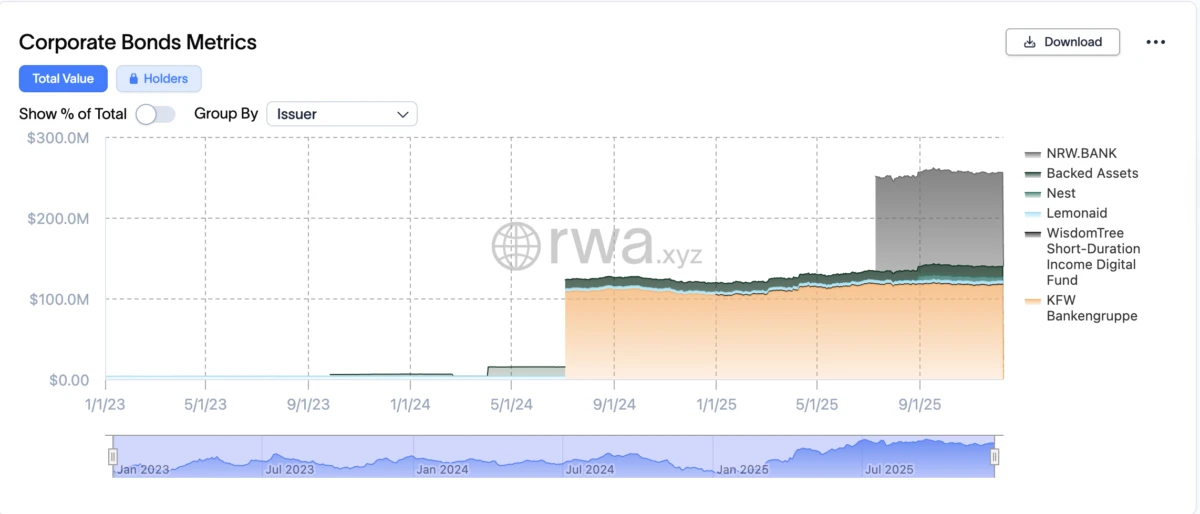
Tokenization does not change the bond’s fundamental credit risk, but it changes how rights are enforced. The SEC’s recent sandbox concept paper highlights the need for clear legal wrappers that map on-chain tokens to off-chain legal claims. Ensure the issuing municipality or trust has explicitly authorized the tokenization, rather than relying on third-party fintechs to repackage legacy debt without issuer consent.
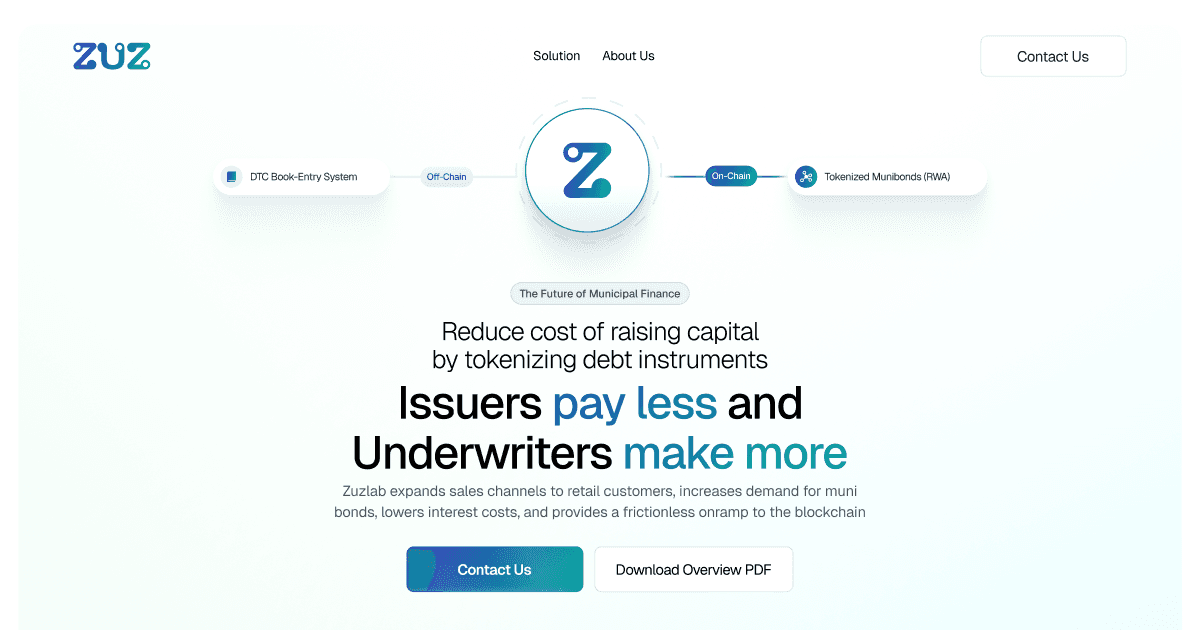
Smart contracts automate execution, including interest payments and principal repayment, but they also enforce transfer restrictions. Look for "compliance tokens" that embed KYC/AML checks directly into the transfer function. If the contract allows unrestricted transfer, you risk violating securities laws or triggering unintended tax events. Verify that the code has been audited by a reputable firm and that the compliance logic matches local regulations.
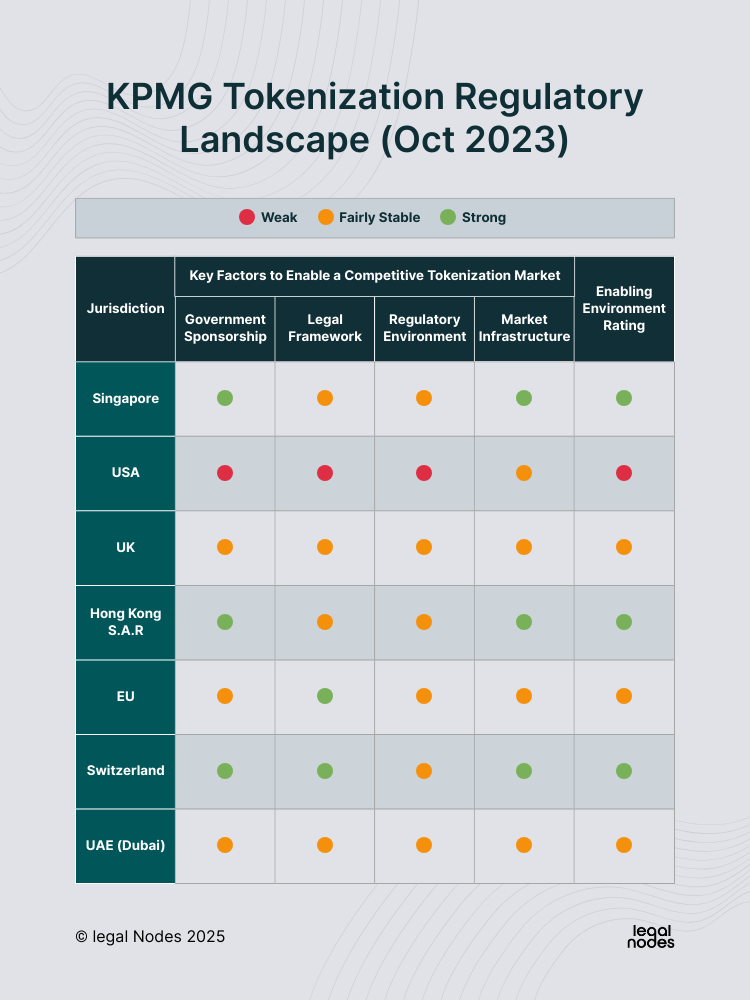
Traditional munis trade OTC with wide bid-ask spreads. Tokenized versions promise real-time settlement, but liquidity is often fragmented across private exchanges. Check if the token is listed on a regulated digital securities platform or if it remains locked in a private ledger. Without a robust secondary market, your exit strategy may be limited, turning a supposedly liquid asset into a long-term lockup.
The allure of tokenization is efficiency, but platforms charge minting, custody, and transaction fees that eat into yield. Compare the gross coupon rate against the total cost of ownership, including blockchain gas fees and platform maintenance charges. In many cases, the net yield may barely exceed traditional muni funds once you account for the premium paid for technological convenience.


As an Amazon Associate, we may earn from qualifying purchases.
Choosing between tokenized and traditional munis ultimately depends on your need for speed versus stability. If you prioritize automated compliance and potential liquidity, tokenized offerings offer a modern alternative. However, for most investors, the complexity of smart contracts and regulatory uncertainty may outweigh the marginal benefits of instant settlement.
Spotting Weak Tokenized Municipal Bond Options
The promise of tokenized municipal bonds is clear: automated compliance and faster settlement. The SEC’s recent sandbox framework highlights how smart contracts can handle tax-exempt interest payments and investor accreditation checks without manual intervention [[src-serp-1]]. However, the market is still filtering out projects that prioritize novelty over regulatory substance.
Before committing capital, look for these specific red flags that signal weak or misleading offerings:
1. Unverified Secondary Market Liquidity
Many projects claim instant liquidity for illiquid municipal assets. Check if the platform has a functioning secondary market or just a whitepaper. If there are no live trade volumes or established market makers, you are likely buying a tokenized receipt with no exit strategy. Municipal bonds are traditionally held to maturity; tokenization should not obscure this reality with fake trading activity.
2. Ambiguous Legal Structuring
A token is not a bond until the legal agreement is enforceable. Weak options often obscure the underlying legal structure, such as whether the token represents direct ownership, a security token offering (STO), or a fractionalized trust. According to industry analysis, smart contracts automate execution, but they cannot replace the legal enforceability of the underlying indenture [[src-serp-2]]. If the legal opinion is vague or missing, the token may be worthless in a default scenario.
3. Overcomplicated Yield Models
Be wary of platforms promising yields significantly higher than traditional munis without a clear, auditable source. Tokenization reduces operational costs, but it does not create risk-free alpha. If the yield spread is unusually wide, it often reflects hidden risks in the underlying asset or the platform’s solvency. Stick to transparent models where the yield is directly tied to the underlying bond’s coupon and the platform’s fee structure.
4. Lack of Regulatory Sandbox Participation
The most credible players are those engaging with regulators, such as participating in the SEC’s sandbox [[src-serp-1]]. Projects that operate in regulatory gray areas or refuse to engage with existing municipal finance rules are high-risk. Verify that the issuer and the platform are transparent about their compliance with SEC and MSRB regulations.
Conclusion
Tokenized municipal bonds offer real efficiency gains, but the market is still maturing. Focus on platforms with clear legal structures, verified liquidity, and regulatory engagement. Avoid projects that overpromise on yield or obscure their legal foundation.
Tokenized us municipal bonds: frequently asked: what to check next
How do tokenized munis differ from traditional bonds?
Tokenized munis represent ownership on a blockchain via smart contracts, automating interest payments and compliance checks. Traditional bonds rely on custodians and clearinghouses for settlement, which can take days. Tokenization aims to reduce this friction by enabling near-instant settlement and 24/7 trading, though the underlying legal rights remain tied to the issuer’s original debt obligation [[src-serp-2]].
Are tokenized municipal bonds tax-exempt?
Yes, if the underlying asset is a qualified municipal bond. The token itself is a digital representation of the bond, so the tax-exempt status of the interest income generally carries over. However, investors must ensure the tokenization platform complies with IRS regulations regarding transfer restrictions and beneficial ownership reporting to maintain this status [[src-serp-1]].
What are the main risks of investing in tokenized munis?
The primary risks are technological and regulatory. Smart contract vulnerabilities could lead to loss of funds, while the regulatory framework for digital assets is still evolving. Additionally, liquidity may be lower than traditional markets because the secondary market for these tokens is less established. Investors should verify the legal wrapper and custody solutions used by the issuer [[src-serp-3]].
How do I buy tokenized municipal bonds?
You typically need an account on a regulated digital securities platform that lists tokenized munis. This requires completing KYC (Know Your Customer) and AML (Anti-Money Laundering) checks. Unlike stocks, you cannot buy these on standard retail brokerage apps; you must use specialized platforms that bridge traditional finance with blockchain infrastructure [[src-serp-6]].
No comments yet. Be the first to share your thoughts!