Tokenized US municipal bonds guide
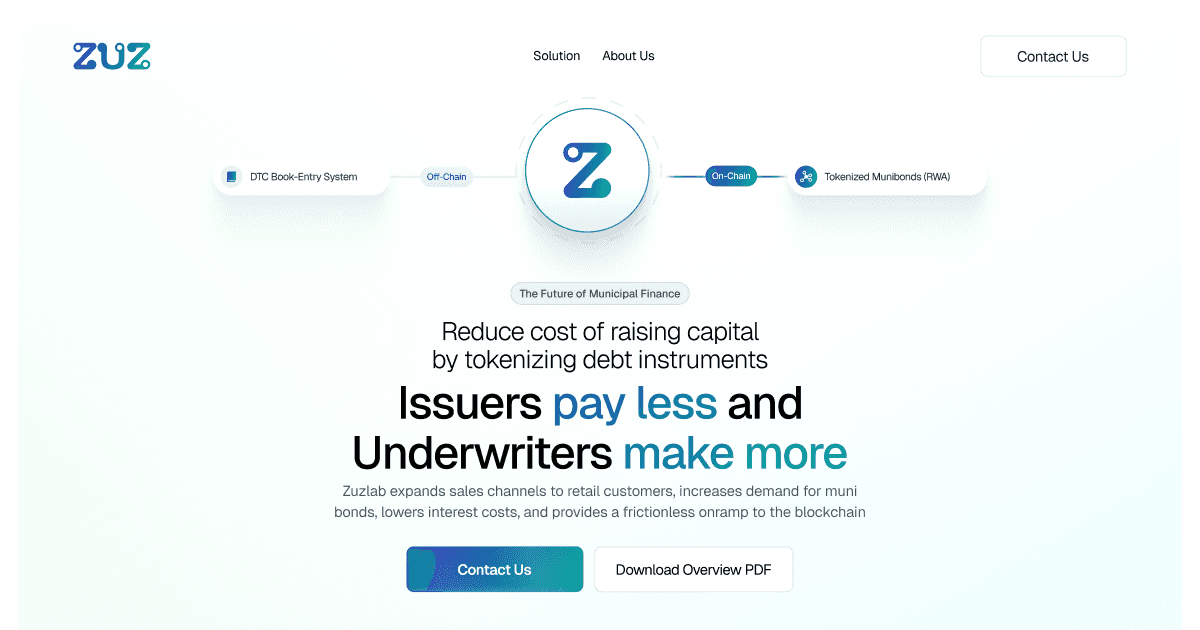
Tokenized US municipal bonds represent a shift from physical certificates to digital records on a distributed ledger. This transition aims to streamline the issuance, trading, and settlement of debt instruments used to fund public infrastructure. By encoding bond terms into smart contracts, issuers can automate compliance checks and interest payments, reducing the administrative burden traditionally associated with municipal finance.
The Securities and Exchange Commission (SEC) has explored this space through its Regulatory Sandbox. A recent concept paper outlines a framework for efficient municipal capital formation, noting that tokenization can combine automated compliance with faster settlement times. This approach allows for more granular data sharing between issuers, investors, and regulators, potentially lowering the cost of capital for smaller municipalities.
Smart contracts serve as the operational backbone of these digital assets. They store the legal agreement on the blockchain and automatically execute actions based on predefined conditions. For example, a smart contract can verify an investor’s accreditation status before allowing a purchase or distribute coupon payments directly to wallet addresses on record. This automation reduces counterparty risk and minimizes the need for intermediaries in secondary trading.
While the technology offers efficiency gains, it also introduces new complexities. Legal frameworks must adapt to recognize on-chain ownership as valid title. Investors must navigate cybersecurity risks and ensure their digital wallets are secure. As the market matures, standardization efforts will be critical to ensuring interoperability between different blockchain platforms and traditional financial systems.
Tokenized us municipal bonds choices that change the plan
Tokenized US municipal bonds offer a new way to access public debt, but they introduce specific friction points that differ from traditional holding methods. Before allocating capital, you must weigh the efficiency gains against the operational risks inherent in distributed ledger technology.
The core tradeoff lies in liquidity versus settlement certainty. On-chain trading allows for near-instant execution, yet final settlement depends on the bridge between the blockchain and traditional banking rails. If the custodial layer fails or the bridge experiences congestion, your token may not convert to cash as quickly as anticipated. This is distinct from the T+1 or T+2 settlement cycles of traditional markets, where the risk is often counterparty default rather than technical failure.
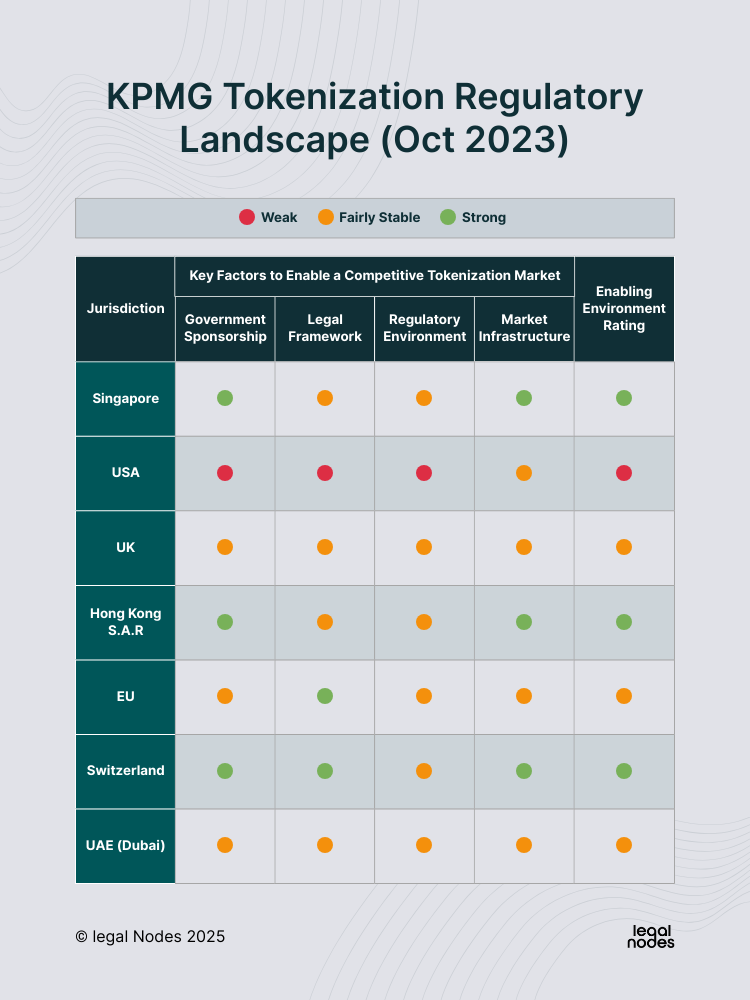
Another critical factor is regulatory clarity and compliance. Traditional muni bonds are governed by established frameworks from the MSRB and SEC. Tokenized versions often operate in sandbox environments or under emerging digital asset regulations. This means you might face stricter KYC/AML checks at the wallet level, or encounter jurisdictions where holding these tokens is legally ambiguous. The automation of compliance via smart contracts is promising, but it requires rigorous auditing to ensure the code matches legal requirements.
Finally, consider yield and fee structures. While tokenization can reduce administrative overhead, the fees for minting, bridging, and on-chain governance can erode the tax-advantaged yield typical of municipal bonds. You must calculate the net yield after all blockchain transaction costs and platform fees to determine if the efficiency gains actually benefit your portfolio.
Key Tradeoff Comparison
| Factor | Traditional Muni Bonds | Tokenized Muni Bonds |
|---|---|---|
| Settlement Time | T+1 to T+2 days | Near-instant (on-chain) |
| Minimum Investment | $5,000 - $10,000 | Often $10 - $100 |
| Liquidity | Secondary market dependent | 24/7 potential trading |
| Compliance | Broker-dealer mediated | Smart contract enforced |
| Regulatory Status | Established (SEC/MSRB) | Evolving/Sandbox |
| Custody Risk | Clearinghouse/Custodian | Blockchain/Custodian Bridge |
Market Context
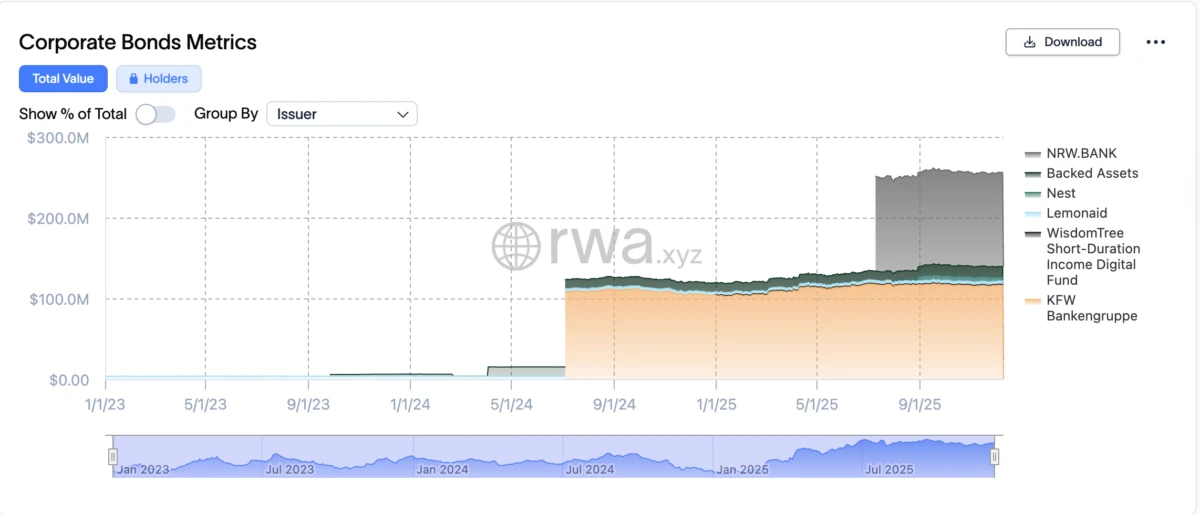
To understand the current valuation of these assets, it helps to look at the broader fixed-income and digital asset markets. Tokenized munis often track closely with traditional treasury yields but carry a slight premium for the technological convenience.
The price of Bitcoin often serves as a liquidity indicator for the broader digital asset market, including tokenized real-world assets. When crypto liquidity is tight, the bid-ask spreads on tokenized munis can widen significantly.
Choose the next step
Tokenized US Municipal Bonds works best as a clear sequence: define the constraint, compare the realistic options, test the tradeoff, and choose the path with the fewest hidden costs. That order keeps the advice usable instead of decorative. After each step, pause long enough to check whether the recommendation still fits the reader's actual situation. If it depends on perfect timing, unusual access, or a best-case budget, include a simpler fallback.
Spot the weak options in tokenized muni bonds
Not every tokenized municipal bond project offers genuine advantages over traditional settlement. Some structures introduce unnecessary complexity without improving liquidity or compliance. You need to separate marketing claims from operational reality.
The “Smart Contract” automation myth
Many proposals claim that smart contracts fully automate bond execution. This is misleading. While code can handle payments, it cannot interpret legal covenants or resolve disputes. A smart contract is just software stored on a blockchain. It lacks the nuance required for municipal debt agreements.
Liquidity illusions
Tokenization does not automatically create a secondary market. Most tokenized munis trade in closed ecosystems with limited participants. If you cannot easily sell the token to a broad investor base, the liquidity benefit is theoretical. Check the actual trading volume and participant count, not just the technology stack.
Compliance gaps
Automated compliance sounds efficient but often fails in practice. Regulatory requirements change, and token standards rarely update fast enough. The SEC’s sandbox framework highlights these risks. Ensure the platform has a clear path to regulatory adaptation, or you risk holding non-compliant assets.
Hidden costs
Gas fees, bridge costs, and custody fees can erase yield advantages. Tokenized munis often involve multiple layers of infrastructure. Calculate the total cost of ownership, including transaction fees and potential slippage, before assuming cost savings.
Tokenized us municipal bonds: common: what to check next
Before allocating capital to onchain munis, it is essential to understand how these digital instruments differ from traditional holdings and where the regulatory boundaries lie.
No comments yet. Be the first to share your thoughts!