What tokenized municipal bonds actually are
A tokenized municipal bond is a digital representation of a traditional debt security, recorded on a blockchain rather than in a central depository. In the traditional model, ownership is held by custodians like DTC, with layers of intermediaries managing the ledger. In the tokenized model, the token itself serves as the register of ownership. This shift moves the record-keeping from a closed, permissioned database to a decentralized ledger where smart contracts automate the execution of agreements.
Municipal bonds, or "munis," are debt securities issued by states, cities, counties, and other governmental entities to fund day-to-day obligations and infrastructure projects. They are well-known for their tax-exempt interest income, making them a staple in high-net-worth portfolios. Tokenization does not change the underlying asset—the city still owes the money for the new school or bridge. It changes how that debt is issued, traded, and settled.
The core mechanism relies on smart contracts. These are pieces of software stored on a blockchain that automatically execute terms when conditions are met. For example, when a bond matures, the smart contract can automatically distribute principal and interest payments to token holders’ digital wallets, bypassing the need for manual processing by bond trustees. This automation reduces operational friction and potential for human error, though it introduces new technical risks that must be managed.
This structure creates a bridge between traditional fixed income and decentralized finance (DeFi). Investors gain access to fractional ownership of high-value municipal debt, potentially lowering the barrier to entry. However, the legal enforceability of these tokens depends on how the smart contract interacts with existing securities laws. The technology is still evolving, and regulatory clarity remains a key variable for widespread adoption.
The SEC sandbox and compliance framework
Navigating the regulatory landscape for tokenized municipal bonds requires understanding the Securities and Exchange Commission’s recent pivot toward structured experimentation. Rather than applying blanket prohibitions, the SEC has moved to establish specific guardrails that allow innovation to proceed without compromising investor protection or market integrity.
In November 2025, the Commission released a concept paper titled "Tokenized Municipal Instruments Under Distributed Ledger Technology." This document serves as the primary regulatory signal for the industry, outlining a comprehensive sandbox framework designed to facilitate efficient municipal capital formation. The proposal combines automated compliance mechanisms with existing securities laws, aiming to reduce friction in the issuance process while maintaining rigorous oversight.
The framework addresses high-stakes compliance concerns by integrating smart contract logic directly into the regulatory workflow. This approach allows issuers to embed transfer restrictions, accreditation checks, and tax-exempt status verifications directly into the token structure. By doing so, it reduces the operational risk associated with manual compliance processes and ensures that only eligible investors can participate in these transactions.
For market participants, this regulatory clarity is essential. It transforms tokenization from a speculative experiment into a viable channel for municipal financing. The SEC’s willingness to engage with distributed ledger technology signals a recognition that blockchain can enhance liquidity and accessibility for municipal bonds, provided that the underlying compliance architecture meets federal standards.
The onchain infrastructure supporting tokenized bonds
Tokenized municipal bonds rely on a technical stack that replaces traditional intermediaries with code. The foundation is a blockchain network—often Ethereum, Solana, or specialized permissioned ledgers like Polygon—where the bond exists as a digital token. This token represents the legal claim to the bond’s principal and interest payments, but it lives on a distributed ledger rather than in a centralized clearinghouse.
Smart contracts automate the heavy lifting of compliance. Instead of waiting for manual verification, the contract checks whether a buyer is accredited or if the transaction violates geographic restrictions before executing. This mirrors the role of the Depository Trust & Clearing Corporation (DTC) in traditional markets, but it does so in real-time. As noted in industry reports, smart contracts are software stored on the blockchain that automates the execution of agreements, reducing the friction of manual settlement [src-serp-2].
Settlement differs fundamentally from the T+2 cycle of traditional finance. Onchain, settlement can be instantaneous or occur within minutes, depending on the blockchain’s block time. This eliminates the need for bilateral netting and reduces counterparty risk. The technology enables direct integration with decentralized finance (DeFi) protocols, allowing these bonds to be used as collateral or traded globally without traditional banking hours [src-serp-5].
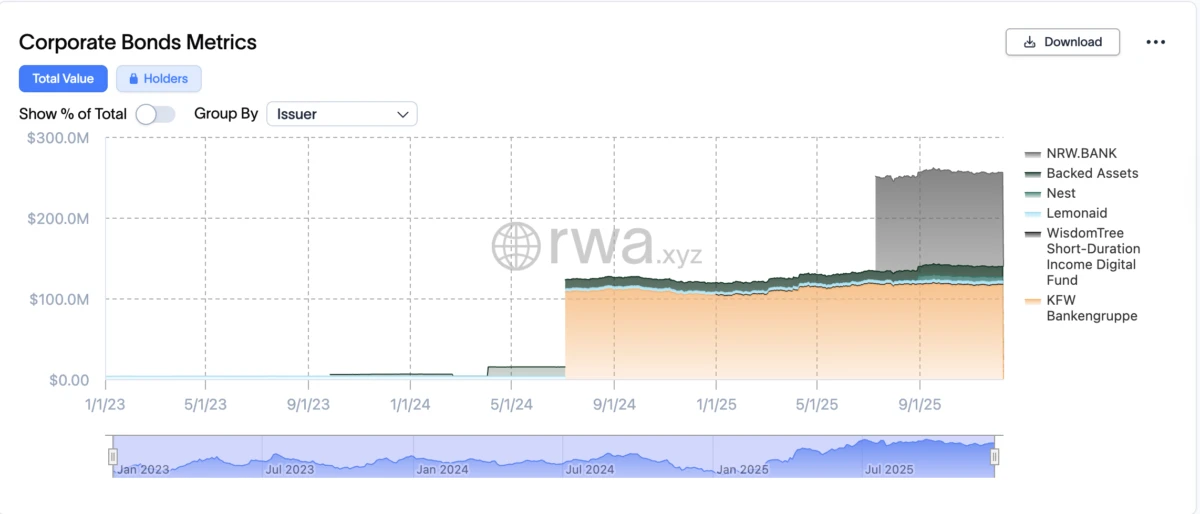
Market context for tokenized fixed income
While tokenized municipal bonds are still emerging, the broader market for tokenized fixed-income assets is gaining traction. Understanding the price action of related assets, such as tokenized treasuries or muni bond ETFs, provides insight into investor sentiment and liquidity trends in this space.
Yield, tax status, and investor access
Tokenized municipal bonds are reshaping how qualified investors access the fixed-income market. By moving bond ownership onto a blockchain, issuers and platforms can lower the barriers to entry while preserving the core economic benefits that make munis attractive. For high-net-worth individuals and family offices, this means greater liquidity and fractional access without sacrificing the tax advantages that define the asset class.
Liquidity and fractional ownership
Traditional municipal bonds often suffer from low trading volumes and high minimum investments, typically starting at $5,000 or more per unit. Tokenization breaks these large denominations into smaller digital shares, allowing investors to buy fractions of a bond. This fractional ownership model enhances liquidity, enabling investors to enter or exit positions more easily than in the traditional over-the-counter bond market.
Tax-exempt status preservation
A primary concern with digital assets is whether they retain their tax-exempt status. For qualified investors, tokenized municipal bonds can maintain their tax-exempt interest income, provided the underlying bond structure complies with IRS regulations. This preservation of tax status is critical for investors in higher tax brackets who rely on munis for after-tax yield optimization.
Settlement speed and efficiency
Blockchain technology enables near-instant settlement, compared to the T+2 or T+3 settlement cycles common in traditional bond markets. This speed reduces counterparty risk and improves capital efficiency, allowing investors to reinvest proceeds faster.
| Feature | Traditional Munis | Tokenized Munis |
|---|---|---|
| Minimum Investment | $5,000+ | $10-$100 |
| Settlement Time | T+2 days | Near-instant |
| Liquidity | Low/OTC | Higher/Secondary Market |
| Tax Status | Tax-exempt | Tax-exempt* |
*Tax-exempt status for tokenized bonds depends on compliance with IRS guidelines and the investor's qualified status.
Key risks in the tokenized muni market
Tokenized municipal bonds introduce risks that extend beyond traditional credit analysis. The primary constraints involve regulatory uncertainty, smart contract vulnerability, and liquidity fragmentation. Evaluating these risks requires a clear sequence: define the constraint, compare the realistic options, test the tradeoff, and choose the path with the fewest hidden costs. That order keeps the advice usable instead of decorative.
After each step, pause long enough to check whether the recommendation still fits the reader's actual situation. If it depends on perfect timing, unusual access, or a best-case budget, include a simpler fallback.
The simplest way to use this section is to write down the real constraint first, compare each option against it, and choose the path that still works outside ideal conditions.
How to evaluate tokenized muni opportunities
Tokenized municipal bonds promise efficiency, but the technology layer introduces risks that traditional bondholders rarely face. Before committing capital, you need to verify that the issuer’s creditworthiness is preserved and that the digital infrastructure is secure. This evaluation focuses on three non-negotiable checks: regulatory alignment, smart contract integrity, and tax compliance.
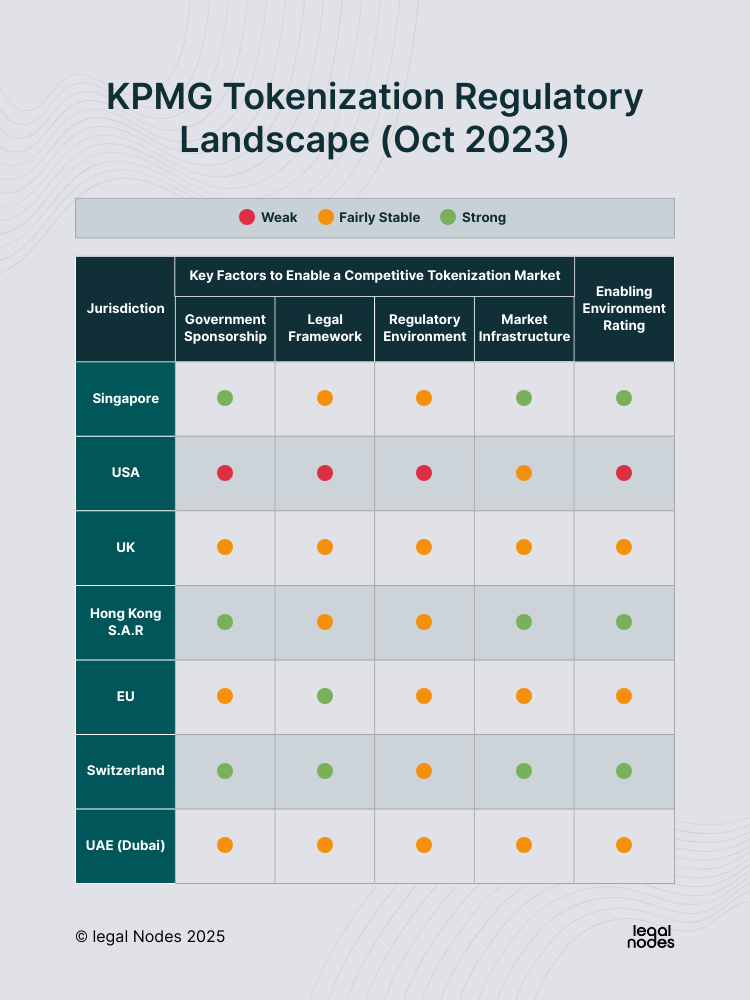
Regulatory clarity is the foundation of any tokenized offering. Look for platforms operating under explicit SEC sandbox frameworks or pilot programs, which provide a controlled environment for testing compliance automation. The SEC’s recent concept paper on tokenized municipal instruments outlines how distributed ledger technology can streamline capital formation while maintaining investor protections. If a platform cannot point to specific regulatory engagement or sandbox participation, treat it as a red flag.
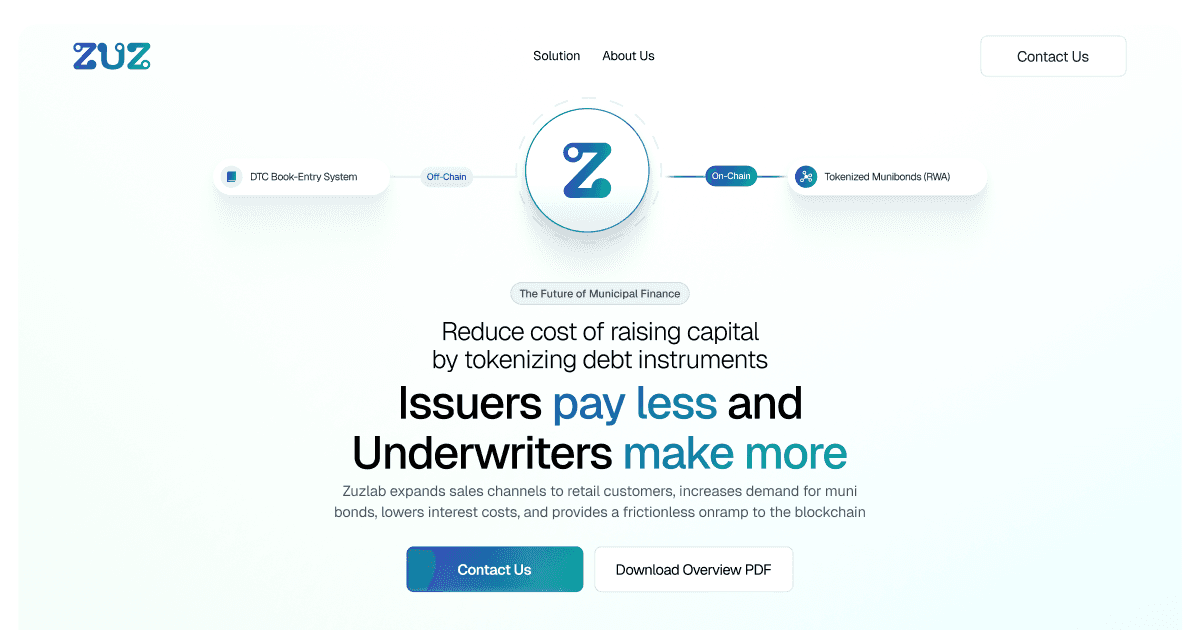
Smart contracts are immutable; once deployed, errors cannot be patched without a complex upgrade mechanism. Reputable platforms will publish third-party audit reports from recognized security firms before listing any bond token. These audits should cover not just the token contract itself, but also the oracle mechanisms that feed real-world financial data onto the blockchain. An unaudited or internally audited contract is an unacceptable risk for high-stakes fixed-income assets.
The primary appeal of municipal bonds is their tax-exempt interest status. Ensure the tokenization platform can accurately track ownership to allocate tax-exempt interest correctly to each holder. Automated distribution systems must be able to handle partial payments, tax withholding at the source (if applicable), and provide clear 1099-INT reporting for tax purposes. If the platform relies on manual processes for tax reporting, the administrative burden may outweigh the liquidity benefits.
Tokenized bonds are only as secure as the custodial platform. Ensure the platform has segregated assets and clear insolvency protocols. Never assume that holding a token on an exchange is equivalent to holding the underlying bond in a traditional brokerage account.
Common questions about tokenized munis
What is the downside of tokenization?
Tokenization is still an emerging infrastructure layer, which introduces specific risks beyond standard market volatility. The primary concern is smart contract vulnerability; if the code governing the token fails, funds can be lost with no recourse. Additionally, regulatory clarity remains fragmented across jurisdictions, creating uncertainty around legal ownership and tax reporting. Liquidity, while theoretically improved, can still dry up during market stress if buyers are scarce.
What is the downside of tax-free municipal bonds?
While tax exemption is the main appeal, it comes with trade-offs. Munis typically offer lower yields than comparable corporate bonds because the tax benefit compensates for the lower interest rate. There is also credit risk; unlike Treasuries, municipal issuers can default, as seen in Detroit and Puerto Rico. High-income investors may face the Alternative Minimum Tax (AMT) on private activity bonds, and capital gains taxes apply if you sell before maturity at a profit.
Why do rich people buy municipal bonds?
High-net-worth individuals primarily buy munis for tax efficiency. For investors in the highest federal tax brackets, the tax-free yield can outperform taxable corporate bonds or CDs after accounting for taxes. They also serve as a stable, low-volatility anchor in a diversified portfolio, providing predictable income streams. Institutional investors and family offices use them to preserve capital while meeting specific liability matching needs.
What are the best tax-free municipal bonds right now?
"Best" depends on your risk tolerance and tax bracket. Generally, high-grade general obligation bonds from stable states like California or Texas offer safety. For yield, industrial revenue or housing authority bonds may provide higher returns but carry slightly more risk. It is essential to look at the bond’s credit rating (AAA to BB) and the issuer’s financial health rather than just the yield. Consulting a tax advisor is recommended to determine the optimal choice for your specific situation.
No comments yet. Be the first to share your thoughts!