Tokenized US Municipal Bonds: Limits and Considerations
Tokenized US municipal bonds offer fractional ownership and potential liquidity improvements, but they come with specific structural limits and risks. Before investing, you must evaluate the legal wrapper, custody arrangements, and actual trading volume, as the market is still nascent. This guide breaks down the critical checks needed to determine if tokenized munis fit your portfolio strategy.
How to Evaluate Tokenized Municipal Bond Offerings
Tokenized municipal bonds are not a single product but a structural upgrade to how these assets are issued, traded, and held. For investors, the value proposition hinges on whether the tokenization actually solves the fragmentation and liquidity issues inherent in the traditional market. Below is a practical framework for evaluating these opportunities.
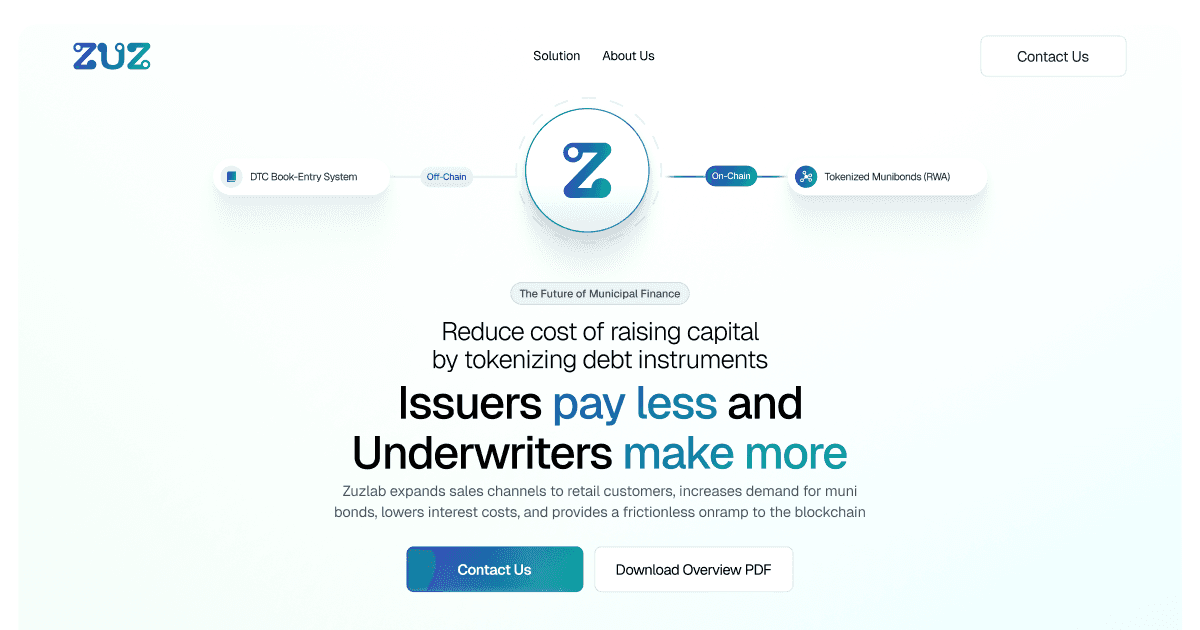
Traditional muni bonds have denominations of $5,000 to $100,000, which narrows the market. Tokenization aims to lower this barrier, but you must confirm if the token represents direct ownership of the bond or a derivative claim. Ensure the legal wrapper complies with SEC regulations and that the underlying issuer is a recognized government entity. Without clear legal title, the token is just a digital receipt for an unproven asset.
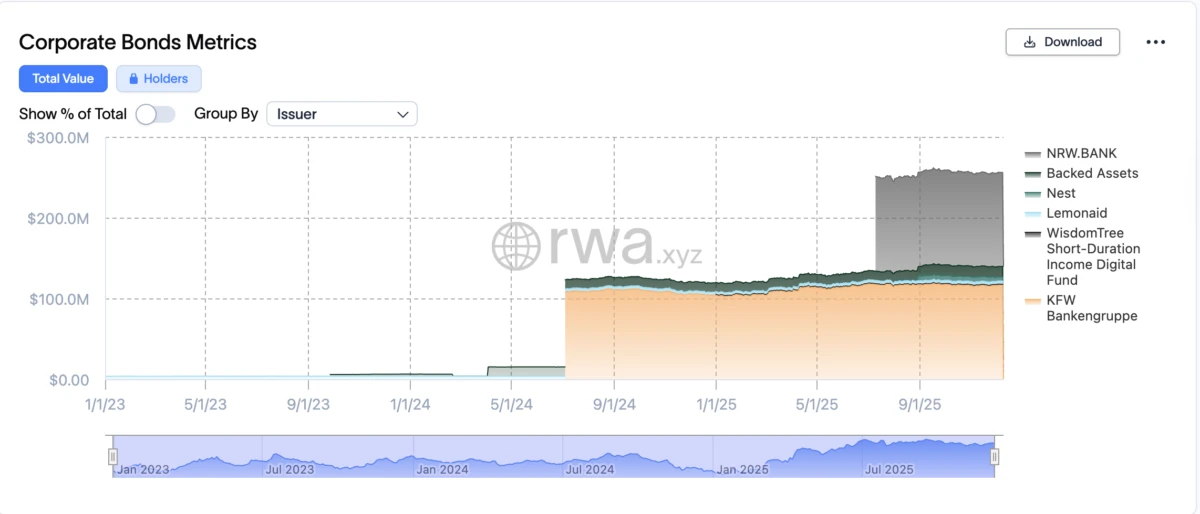
Liquidity is the primary promise of tokenization, but it is rarely guaranteed. Evaluate whether the tokens trade on a regulated security token platform or a decentralized exchange. Check the daily volume and bid-ask spreads. If the platform has low trading activity, you may find it difficult to exit your position without significant slippage, defeating the purpose of fractional ownership.
Who holds the actual bond? In traditional markets, DTC (Depository Trust & Clearing Corporation) handles settlement. In tokenized markets, you need to know if a qualified custodian holds the underlying asset or if the issuer manages it directly. Look for real-time settlement capabilities (T+0) versus traditional T+2 cycles. The efficiency gain is only real if the custody layer is secure and auditable.
Tokenization introduces new fee layers, including platform fees, smart contract audit costs, and potential gas fees for transfers. Compare the net yield against traditional muni bond funds or direct purchases. If the platform charges high management fees to cover blockchain infrastructure, the tax-advantaged yield of municipal bonds may be eroded. Ensure the fee structure is transparent and competitive with traditional brokerage accounts.
Watch out for these tokenization pitfalls
Tokenized municipal bonds promise liquidity and fractional ownership, but the market is still maturing. Before committing capital, identify the specific structural weaknesses that separate viable infrastructure from speculative experiments. The following areas represent the most common points of failure in current tokenized muni bond strategies.
Illiquidity masquerading as access
Tokenization does not automatically create buyers. While secondary markets exist, trading volumes for specific tokenized munis remain thin compared to traditional bond markets. You may find it difficult to exit a position quickly without accepting a significant discount. This is not the "seamless" liquidity often promised in whitepapers.
Regulatory and custody risks
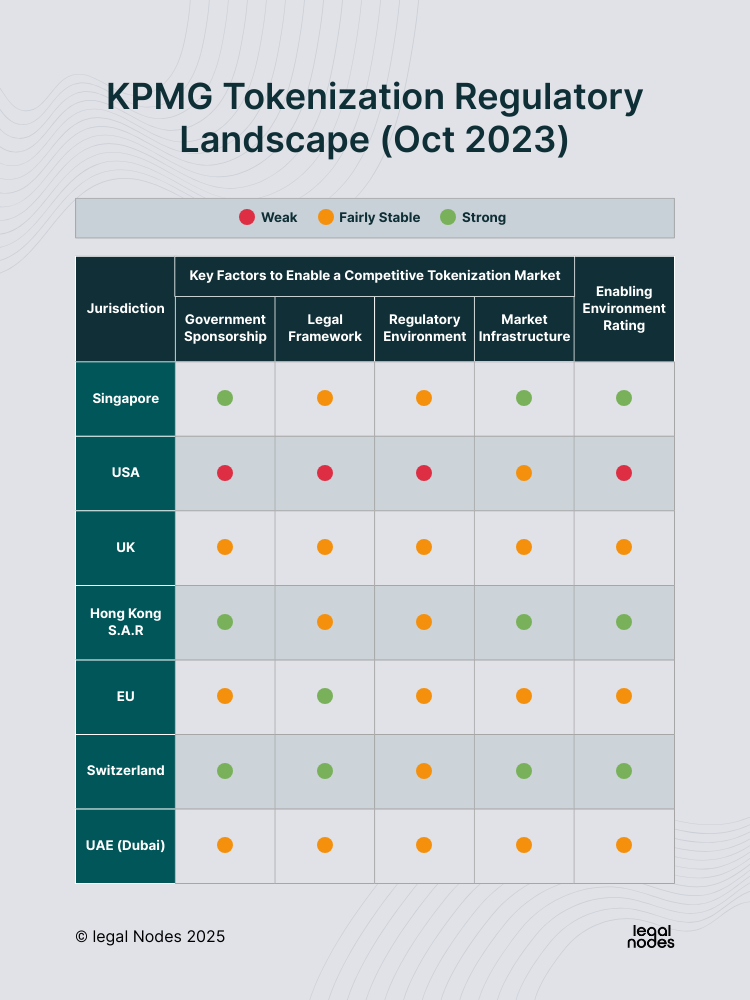
Ownership of a token does not always equate to legal title to the underlying bond. Ensure the issuer and custodian have clear, audited relationships with traditional clearinghouses like DTC or Euroclear. Ambiguity in legal recourse can leave token holders exposed if the underlying issuer defaults or if the blockchain platform faces regulatory action.
High fees and hidden costs
Traditional municipal bonds often have high minimum denominations, but tokenization introduces new fee layers. Look for platform fees, token transfer taxes, and smart contract audit costs. These expenses can erode the tax-exempt yield that makes munis attractive in the first place. Compare the all-in yield against traditional ETFs or direct bond purchases.
Limited issuer adoption
Most tokenized muni bonds are issued by smaller municipalities or specific projects seeking innovative funding. The largest issuers, such as states and major school districts, largely stick to traditional issuance channels. This limits the diversity and credit quality of available tokens, concentrating risk in less proven assets.
Tokenized US Municipal Bonds Market Research: What to Check Next
The intersection of traditional fixed-income markets and blockchain technology raises specific questions for investors evaluating tokenized municipal bonds. Below are the most frequent practical concerns regarding market structure, tax advantages, and current timing.
Tokenization promises to lower the minimum investment threshold, traditionally $5,000 or more, making these assets accessible to a broader range of participants. However, the infrastructure for trading these tokens is still maturing. Investors should weigh the potential for lower costs and increased transparency against the current lack of deep liquidity pools.
No comments yet. Be the first to share your thoughts!