What tokenized munis actually are
Tokenized municipal bonds are digital representations of traditional debt. They are not cryptocurrencies, nor are they new debt instruments created from thin air. Instead, they are onchain claims on real-world infrastructure projects. When you hold a tokenized muni, you hold a digital certificate that represents a share of the underlying municipal bond issued by a state, city, county, or other public entity.
The primary purpose of these bonds remains unchanged: to finance public infrastructure. As the Municipal Securities Rulemaking Board (MSRB) explains, municipal bonds are debt obligations used to build schools, roads, and other public works. Tokenization simply moves the record-keeping and settlement of these existing instruments onto a blockchain. This process digitizes the ownership, making it easier to track, transfer, and settle trades without altering the fundamental nature of the debt.
The infrastructure behind this process relies on smart contracts. According to research from the Pennsylvania State System of Higher Education, these are pieces of software stored on a blockchain that automate the execution of agreements. In the context of tokenized munis, smart contracts manage the distribution of interest payments and the repayment of principal. They ensure that the digital token accurately reflects the rights and obligations of the traditional bondholder.
It is critical to understand that tokenization does not change the credit risk of the issuer. If a city struggles to pay its traditional bonds, it will likely struggle to pay its tokenized ones. The token is merely a more efficient vessel for the same underlying asset. Investors are still exposed to the fiscal health of the municipality, not the technology itself.
How onchain settlement works
Tokenized municipal bonds transform traditional debt issuance into a programmable workflow. The process begins with a Special Purpose Vehicle (SPV) that holds the underlying bond assets. This legal wrapper isolates the risk and ensures that the digital tokens represent a direct claim on the municipal debt, rather than a speculative derivative.
The technical flow relies on smart contracts to automate compliance and settlement. Instead of waiting days for traditional clearinghouses, these contracts enforce investor eligibility in real-time. This reduces counterparty risk and settlement friction, though it introduces new technical dependencies that participants must understand.
1. SPV issuance and asset transfer
The process starts when a municipality or issuer transfers the bond into a legally recognized Special Purpose Vehicle (SPV). This SPV acts as the issuer of the digital tokens. The SPV holds the legal rights to the bond’s cash flows, ensuring that token holders have a direct claim on the underlying municipal debt. This structure is critical for isolating risk and maintaining regulatory compliance.
2. Smart contract deployment
Developers deploy a smart contract on a compliant blockchain network. This code defines the token’s standards, transfer restrictions, and governance rules. The contract serves as the digital ledger’s authority, automatically enforcing who can buy, sell, or hold the tokens. It replaces many manual administrative tasks with immutable, executable code.
3. Automated compliance checks
Compliance is embedded directly into the transaction logic. Before any trade is confirmed, the smart contract checks the buyer’s identity against approved investor lists. It verifies accreditation status, geographic restrictions, and holding limits. If a transaction violates these rules, the contract rejects it immediately. This automated gatekeeping ensures that only qualified investors can participate, reducing legal exposure.
4. Secondary market trading
Once issued, tokens can be traded on regulated secondary markets or compliant ledgers. These platforms provide liquidity while maintaining the smart contract’s compliance layers. Traders benefit from faster settlement times and lower transaction costs. However, the price discovery mechanism remains tied to the underlying credit quality of the municipal issuer.
5. Automated coupon and principal payments
When the municipality makes a payment, the smart contract distributes the funds to token holders automatically. Interest payments (coupons) and principal repayments are split proportionally based on token ownership. This eliminates the need for manual distribution processes and reduces administrative errors. Investors receive payments directly to their digital wallets, often with greater transparency than traditional systems.
Why infrastructure projects need this
Municipal bonds are the backbone of public works, financing everything from school construction to water treatment plants. But the traditional market for these debt obligations is notoriously slow and illiquid. For issuers and investors alike, this friction creates a bottleneck that tokenized US municipal bonds are designed to break. By moving the settlement layer on-chain, infrastructure projects can access capital more efficiently, while smaller investors gain access to asset classes previously reserved for institutions.
The primary hurdle in the current muni market is the sheer size of standard lots. Traditionally, trading municipal bonds requires buying in increments of $5,000 or more, often totaling much larger sums for meaningful diversification. This structure effectively locks out individual retail investors with modest capital. Tokenization solves this by fractionalizing large infrastructure bonds. Instead of buying one whole bond, an investor can purchase a fraction representing a small portion of the underlying asset. This lowers the barrier to entry, allowing everyday savers to participate in the stable, tax-advantaged yield of municipal debt.
Liquidity is the second critical factor. Traditional muni bonds are often held to maturity or traded infrequently, leading to wide bid-ask spreads and price discovery issues. On-chain infrastructure and yield mechanisms enable near-instant settlement and continuous trading. This increases market depth and reduces the cost of capital for municipalities. When bonds can be traded more freely, the risk premium decreases, making it cheaper for cities and states to fund essential public services.
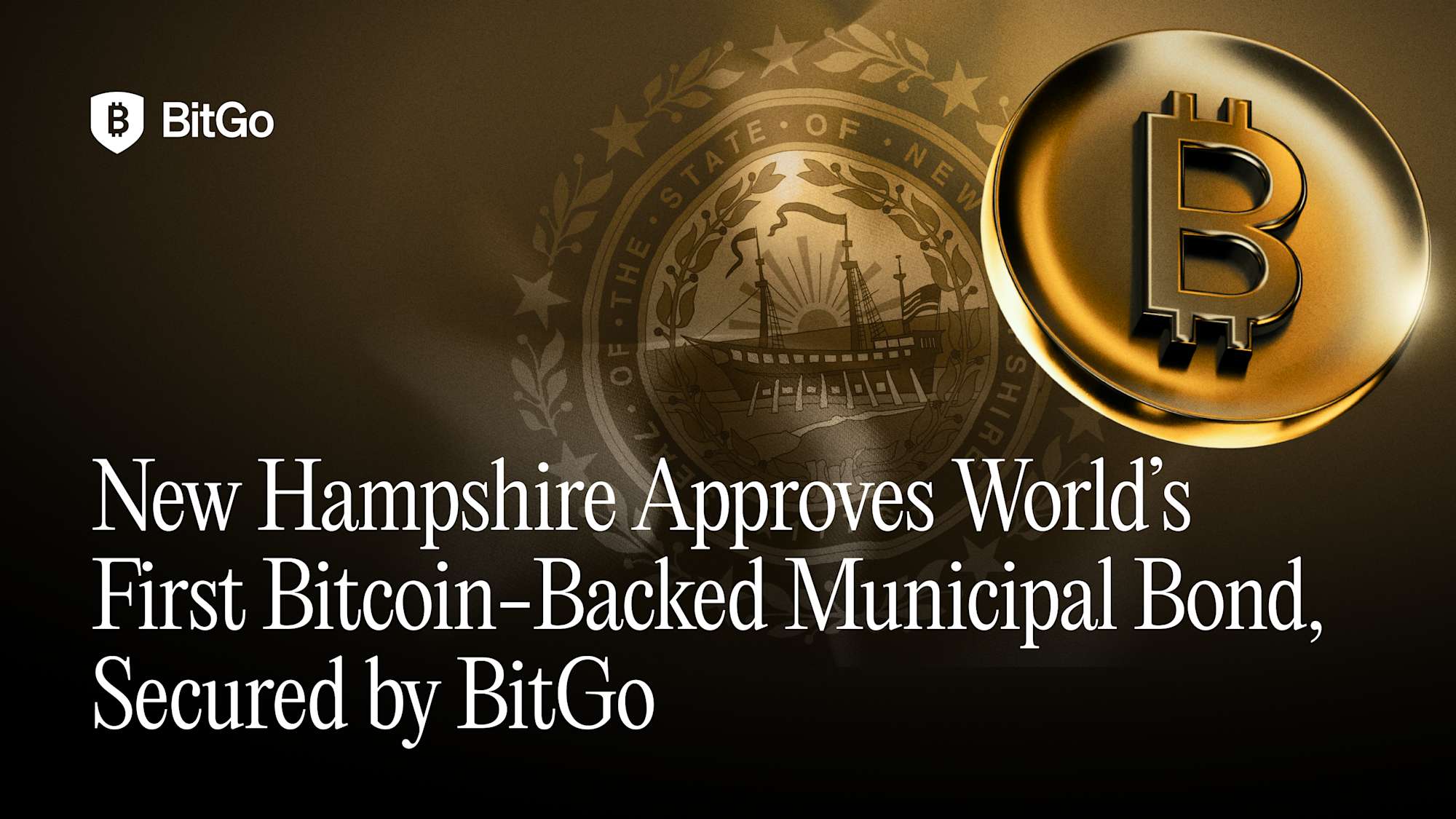
This shift is not just theoretical. Recent developments, such as New Hampshire’s approval of tokenized municipal bonds, demonstrate that the regulatory and technical frameworks are beginning to align. These early adopters are testing how blockchain infrastructure can modernize the issuance and trading of public debt. While challenges remain regarding regulatory compliance and standardization, the potential to unlock trapped value in the muni market is significant.
Regulatory hurdles and SEC sandbox
The path to tokenized municipal bonds is paved with strict regulatory guardrails. The Securities and Exchange Commission (SEC) is currently evaluating a sandbox framework designed to test these instruments within a controlled environment. This approach aims to balance innovation with the protection of investor capital, ensuring that the efficiency of distributed ledger technology does not outpace compliance controls.
Under this proposed framework, automated compliance becomes a core feature rather than an afterthought. Smart contracts can be programmed to enforce eligibility rules in real-time, preventing unauthorized trades before they settle. This reduces the operational friction that has historically slowed adoption, but it also means that every transaction must align with existing securities laws.
Investor access remains the primary point of differentiation between traditional and tokenized markets. Currently, the landscape is heavily skewed toward accredited investors who meet specific income or net worth thresholds. Retail participation is limited, reflecting the SEC's caution regarding systemic risk and investor protection in unregulated digital asset spaces.
The contrast between legacy systems and this new onchain model is stark. While traditional trading relies on multi-day settlement cycles and opaque intermediaries, tokenized instruments promise near-instant settlement and transparent ownership records. However, this speed comes with the requirement for rigorous, code-enforced regulatory adherence.
For now, the SEC's sandbox serves as a testing ground. Participants must navigate a complex web of federal and state regulations, ensuring that the digital representation of these bonds does not violate the underlying legal covenants. As the framework evolves, the rules for who can invest and how they trade will likely become more defined, but the high-stakes nature of municipal finance means that compliance will always remain the central pillar.
Balancing Yield with Platform Risk
Tokenized municipal bonds offer a compelling blend of tax-exempt income and onchain efficiency, but the yield advantage comes with a unique set of risks that traditional bondholders rarely face. While the underlying debt obligation remains tied to municipal issuers, the token itself lives in a digital ecosystem governed by smart contracts and custodial platforms. Understanding this separation is critical before deploying capital.
The primary risk is no longer just credit default; it is operational and technological failure. If the platform hosting the tokenized bond experiences a smart contract exploit or a custodial breach, recovering funds can be complex and legally ambiguous. Unlike holding a physical bond certificate or a standard brokerage account, your recourse may depend heavily on the legal structure of the tokenization wrapper and the jurisdiction of the platform provider. Always verify that the issuer and the tokenization layer maintain clear, auditable lines of liability.
Regulatory uncertainty adds another layer of complexity. Municipal bonds are heavily regulated under securities laws, and the intersection of these rules with decentralized finance (DeFi) protocols is still evolving. A platform that is compliant today may face regulatory shifts that impact liquidity or redemption options tomorrow. This is not a market to enter with blind faith in technology alone; it requires rigorous due diligence on the legal framework backing the token.
To navigate these risks, treat the platform as a counterparty with significant weight. Evaluate their custody solutions, insurance coverage, and audit history with the same scrutiny you would apply to a bank. The yield is attractive, but it is only as secure as the infrastructure holding it.
Common questions about tokenized munis
Investors often conflate traditional municipal bond benefits with the mechanics of on-chain settlement. Below are the most frequent questions regarding tax treatment, risk profiles, and investor demographics.
No comments yet. Be the first to share your thoughts!