Get tokenized US municipal bonds right
Before allocating capital, verify that the tokenization layer matches your custody and tax reporting needs. Tokenized municipal bonds sit at the intersection of traditional fixed-income compliance and blockchain infrastructure, creating unique friction points that can derail a strategy if overlooked.
Start by confirming the issuer’s regulatory sandbox status. The SEC’s recent concept paper on tokenized municipal instruments highlights that efficiency gains rely heavily on automated compliance layers. If the platform does not handle tax-exempt interest reporting automatically, you will face significant administrative burden. Look for platforms that integrate directly with transfer agents to ensure the on-chain record matches the legal bond indenture.
Next, evaluate the liquidity mechanism. Unlike traditional bonds, tokenized versions may trade on secondary markets with varying depth. Ensure you understand the settlement finality and whether the platform supports instant settlement or relies on batch processing. Mismatched settlement times can create counterparty risk during volatile periods.
Finally, check the wallet infrastructure. Self-custody requires you to manage private keys, which adds security complexity but reduces counterparty risk. Custodial solutions offer ease of use but introduce third-party dependency. Choose the model that aligns with your risk tolerance and technical capability. Without these checks, the promise of efficiency becomes a liability.
Work through the steps
Tokenized US municipal bonds bridge traditional tax-exempt debt with blockchain efficiency. The SEC’s recent sandbox paper outlines a framework where automated compliance reduces issuance costs and opens liquidity to broader investors. This guide walks through the practical workflow for navigating this infrastructure.
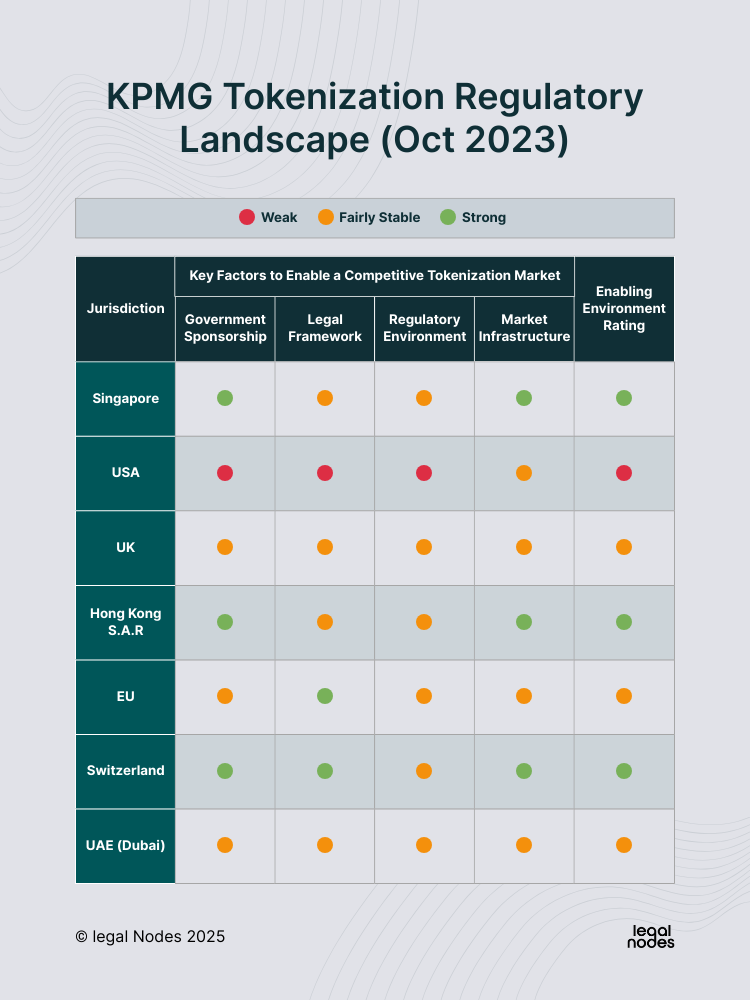
Start by confirming the offering is sanctioned under current securities laws. The SEC’s November 2025 concept paper provides a sandbox framework for tokenized municipal instruments, emphasizing automated compliance to ensure tax-exempt status is preserved on-chain. Avoid platforms that lack clear regulatory alignment, as non-compliant tokens may lose their tax advantages or face delisting.
Tokenized municipal bonds are not yet sold through standard retail apps. You must engage a qualified institutional partner, such as a registered broker-dealer or a licensed digital asset platform. These partners handle the KYC/AML checks and ensure that only Accredited Investors or Qualified Purchasers participate, maintaining the legal structure required for tax-free interest.
Once your account is verified and the specific bond issuance is open, fund your wallet with the required stablecoin or fiat equivalent. Execute the trade on the designated platform. Unlike traditional bonds, these transactions settle near-instantly on the blockchain, though the underlying legal ownership is still recorded in traditional registries for regulatory purposes.
Tokenization automates many processes, but tax reporting remains your responsibility. The platform should provide automated distribution of tax-exempt interest payments directly to your wallet. However, you must still track these distributions for your tax returns. Ensure your platform provides clear transaction histories that distinguish between principal and tax-exempt interest to simplify your annual filing.
Fix common mistakes
Tokenized municipal bonds offer tax-free yield and blockchain efficiency, but the path is fraught with structural pitfalls. Most investors lose money not because the underlying asset is bad, but because they misunderstand the wrapper, the liquidity, or the regulatory status.
Treat the token as a receipt, not the bond itself. The token represents a claim on the underlying security held in custody. If you ignore the custodian, the smart contract, or the legal opinion, you are gambling.
1. Ignoring the Custodian and Legal Wrapper
The most common error is assuming the token is the bond. It is not. The token is a digital representation of a claim on a traditional security held by a qualified custodian. If the custodian fails, or if the legal opinion linking the token to the underlying bond is weak, your "tax-free" status vanishes.
- Check the legal opinion: Ensure the token is backed by a qualified legal opinion stating it represents direct ownership of the underlying municipal security.
- Verify the custodian: The underlying bonds must be held by a regulated, insured custodian. If the custodian is a shell company or lacks proper insurance, the risk profile skyrockets.
- Confirm tax status: The tokenized instrument must maintain the tax-exempt status of the underlying bond. If the structure breaks, you may face ordinary income tax rates instead of the favorable municipal bond rates.
2. Misjudging Liquidity and Redemption
Many investors assume they can sell tokenized bonds as easily as Bitcoin. This is false. The secondary market for tokenized municipal bonds is thin. You may find no buyers at a reasonable price, especially during market stress.
- Understand the redemption mechanism: How do you exit? Is there a built-in redemption facility? If not, you are reliant on a secondary market that may not exist.
- Check the lock-up periods: Some tokenized bonds have lock-up periods or redemption windows that differ from traditional bonds. Missing these windows can trap your capital.
- Avoid over-leveraging: Do not use leveraged positions on illiquid assets. A small price drop can lead to a margin call, forcing you to sell at a loss in a market with no buyers.
3. Overlooking Regulatory and Compliance Risks
Tokenization operates in a gray area. Regulations change rapidly. A structure that is compliant today may be illegal tomorrow.
- Monitor regulatory changes: Stay updated on SEC, CFTC, and state-level regulations regarding tokenized securities.
- KYC/AML compliance: Ensure the platform you use has robust KYC/AML procedures. Non-compliant platforms may freeze your assets or shut down without notice.
- Jurisdictional risks: If the issuer or custodian is in a different jurisdiction, you may face legal hurdles in enforcing your rights.
4. Underestimating Smart Contract Risk
The smart contract governing the token is code. Code has bugs. Bugs get exploited. Exploits lead to losses.
- Audit history: Verify that the smart contract has been audited by a reputable firm. Look for multiple audits and a track record of fixing vulnerabilities.
- Upgradeability: Check if the contract is upgradeable. If it is, who controls the upgrade? Centralized control introduces centralization risk.
- Key management: How are the private keys managed? If a single party holds the keys, it is a single point of failure.
5. Failing to Diversify
Concentrating your portfolio in tokenized municipal bonds, even if they are "safe," is a mistake. Tokenization is a new asset class with unproven long-term stability.
- Diversify across issuers: Do not put all your money into bonds from one state or one municipality.
- Diversify across platforms: Use multiple platforms to reduce counterparty risk.
- Balance with traditional assets: Keep a significant portion of your portfolio in traditional, liquid assets to provide stability and access to capital when needed.
Tokenized us municipal bonds: what to check next
Before committing capital to on-chain municipal debt, it helps to understand the specific friction points that separate traditional bond markets from their digital counterparts. The technology offers speed and programmability, but it introduces new layers of technical and regulatory risk that standard investors rarely face.
Here are the practical answers to the most common objections and questions about tokenized municipal bonds.
No comments yet. Be the first to share your thoughts!