What tokenized municipal bonds actually are
Tokenized municipal bonds are digital representations of traditional debt instruments. When you hold a tokenized bond, you own a digital certificate that corresponds to a specific slice of a municipal bond issued by a state or local government. The underlying asset remains the same: you are lending money to a public entity in exchange for regular interest payments and the return of the face value at maturity.
The key distinction lies in how the ownership is recorded and managed. Traditional municipal bonds are held in book-entry form through the Depository Trust Company (DTC), a central clearinghouse. Tokenized bonds move this record-keeping onto a blockchain. Instead of a centralized ledger, ownership is tracked via smart contracts. This doesn't change the legal obligation of the issuer, but it changes the mechanics of settlement, compliance, and transfer.
Think of it like this: a traditional bond is like a paper deed stored in a bank vault. A tokenized bond is like that same deed, but digitized and stored in a secure, shared digital ledger that updates instantly when ownership changes hands. The property doesn't change, but the way you prove you own it does.
This shift from paper-based or centralized digital records to onchain instruments offers potential efficiencies. Smart contracts can automate interest payments and ensure compliance with regulatory requirements without manual intervention. However, the underlying credit risk remains tied to the municipality's ability to pay, not the technology used to track the debt. Understanding this separation between the onchain instrument and the real-world asset is critical for assessing risk.
Why onchain infrastructure matters for muni debt
Tokenized municipal bonds are not just digital copies of paper certificates; they represent a shift in how debt instruments are managed from issuance to maturity. By moving the infrastructure onchain, issuers and investors can bypass many of the manual, paper-heavy processes that define traditional fixed-income markets. This shift is driven by the need for efficiency, transparency, and automated compliance in a sector that handles trillions in public debt.
Automated Compliance and Payments
At the core of this infrastructure is the smart contract—a self-executing program stored on the blockchain. According to the Pennsylvania Local Government Commission, these contracts automate the execution of agreements, ensuring that terms are followed without manual intervention [src-serp-1]. For municipal bonds, this means interest payments and principal repayments can be triggered automatically when specific conditions are met, such as a date or a yield threshold.
This automation extends beyond payments to compliance. Tokenized bonds can embed regulatory rules directly into the token’s code. For example, a bond might only be transferable to accredited investors or within specific jurisdictions. This reduces the administrative friction typically associated with verifying investor eligibility and ensuring adherence to SEC or MSRB regulations. As noted by Chainlink, this automation streamlines the entire lifecycle of the bond, from issuance to secondary trading [src-serp-6].
Settlement Efficiency and Transparency
Traditional bond settlements often take days (T+2 or T+7) due to the need for multiple intermediaries—clearinghouses, custodians, and transfer agents—to reconcile records. Onchain infrastructure enables near-instant settlement through atomic swaps, where the transfer of the token and the payment occur simultaneously. This reduces counterparty risk and frees up capital that would otherwise be tied up in the settlement process.
The blockchain provides a single, immutable source of truth for ownership records. Unlike traditional systems where records are siloed across different institutions, onchain ledgers allow all parties to view the same real-time data. This transparency simplifies auditing and reduces the potential for errors or disputes. For municipal issuers, this means more accurate tracking of debt obligations and investor holdings, which is critical for maintaining public trust and regulatory compliance.
Regulatory sandbox and SEC oversight
The shift toward tokenized US municipal bonds is not happening in a vacuum. It is moving through a controlled regulatory environment where the Securities and Exchange Commission (SEC) is testing new frameworks to ensure safety without stifling innovation. This approach allows market participants to experiment with onchain credit instruments while maintaining the strict investor protections that have defined municipal finance for decades.
At the heart of this transition is the SEC’s regulatory sandbox framework. Rather than waiting for a complete overhaul of securities laws, regulators are creating safe harbors where firms can trial tokenized assets under supervision. This sandbox model is critical for tokenized municipal bonds because it addresses the unique complexity of these instruments. Unlike simple cryptocurrencies, municipal bonds involve legal covenants, tax implications, and state-specific regulations that must be preserved onchain.
The sandbox allows for controlled experimentation with cross-ledger functionality, a key hurdle for widespread adoption. For instance, the SEC has examined scenarios where an investor wishes to exchange one tokenized municipal bond for another, even if those securities exist on different distributed ledgers. This interoperability testing ensures that the efficiency gains of blockchain technology do not come at the cost of legal clarity or settlement risk.
By focusing on official oversight, the framework aims to bridge the gap between traditional finance and decentralized technology. The goal is to create a system where yield and credit quality are verified in real-time, yet remain fully compliant with existing securities regulations. This measured pace ensures that as tokenized munis scale, they do so with the same rigor and accountability as their offchain counterparts.
How tokenized munis stack up against traditional credit
When you look at yield, the difference between tokenized municipal bonds and traditional options often comes down to access and structure rather than a massive spread gap. Tokenized munis are designed to offer the tax advantages of local government debt with the liquidity of digital assets. Traditional treasuries remain the benchmark for safety, while other real-world asset (RWA) yields often carry higher risk premiums. Understanding where tokenized munis fit helps you balance your portfolio's income needs against regulatory constraints.
The market for tokenized assets is growing, driven by the desire to unlock liquidity in traditionally illiquid markets like municipal debt. As institutions and retail investors explore onchain credit, the comparison between these instruments becomes clearer. The following table breaks down the key differences in liquidity, yield drivers, and regulatory status.
| Instrument | Liquidity | Yield Source | Regulatory Status |
|---|---|---|---|
| Tokenized Munis | High (onchain 24/7) | Local tax revenue + tax-exempt status | SEC/MSRB compliant (varying structures) |
| Traditional Munis | Low (T+2 settlement) | Local tax revenue + tax-exempt status | SEC/MSRB regulated |
| Tokenized Treasuries | High (onchain 24/7) | U.S. Federal debt | SEC registered |
| Traditional Treasuries | Very High | U.S. Federal debt | SEC/Fed regulated |
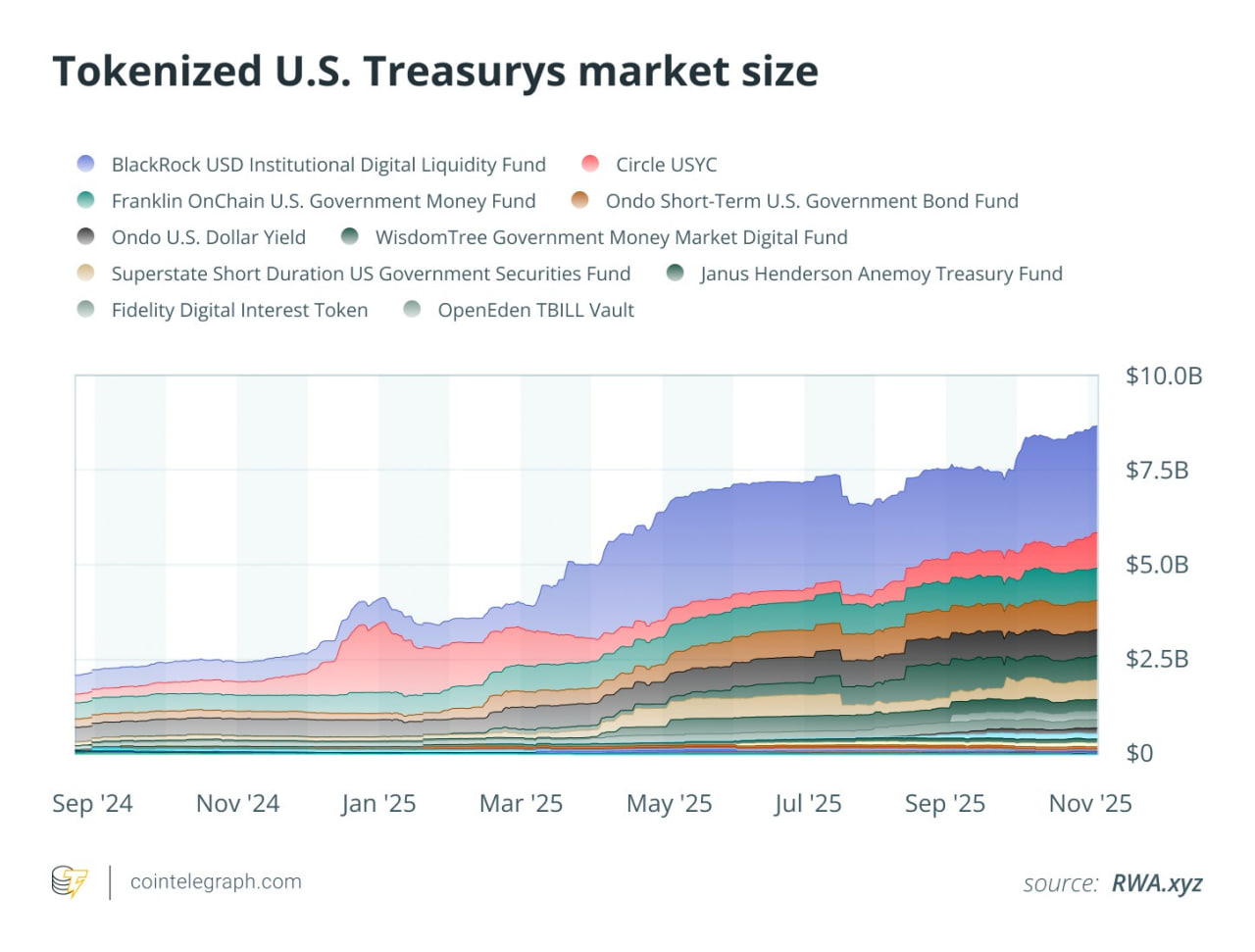
Tokenized treasuries, often cited as the bedrock of global finance, offer a similar onchain experience to tokenized munis but with federal backing rather than local tax revenue. This makes them a direct competitor for yield-seeking capital looking for safety. However, tokenized munis provide a unique value proposition: tax-exempt income that is accessible on-chain. This combination appeals to investors who want to avoid the long settlement times of traditional markets without sacrificing the tax benefits of municipal debt.
It is important to remember that while onchain settlement is faster, the underlying credit risk remains tied to the issuer's ability to pay. Traditional munis have a long history of stability, and tokenized versions are generally structured to mirror these same credit profiles. The primary advantage is not a higher yield, but the ability to trade, settle, and manage these assets with greater efficiency and transparency than the traditional bond market allows.
Technical chart analysis for tokenized assets
Analyzing tokenized US Municipal Bonds requires a clear sequence: define the constraint, compare the realistic options, test the tradeoff, and choose the path with the fewest hidden costs. That order keeps the advice usable instead of decorative.
After each step, pause long enough to check whether the recommendation still fits the reader's actual situation. If it depends on perfect timing, unusual access, or a best-case budget, include a simpler fallback.
The simplest way to use this section is to write down the real constraint first, compare each option against it, and choose the path that still works outside ideal conditions.
Checklist for evaluating tokenized muni opportunities
Before committing capital, treat the digital wrapper with the same scrutiny you’d apply to the underlying bond. Onchain credit isn’t magic; it’s just a digital receipt for a legal claim. If the legal claim is shaky, the token is worthless.
Look for the official statement (OS) on the Municipal Securities Rulemaking Board (MSRB) website. The token should represent a direct, enforceable claim on the issuer’s cash flows. If the smart contract holds the bond via a complex offshore trust, proceed with extreme caution.
Tokenized securities must comply with SEC and state securities laws. Verify if the offering was registered or exempt under Rule 144A or Regulation D. The SEC’s recent sandbox frameworks highlight that cross-chain interoperability doesn’t exempt issuers from federal oversight.
Even a perfect bond can fail if the code is flawed. Look for third-party audit reports from reputable firms. The code must accurately reflect the bond’s terms: coupon payments, maturity dates, and redemption rights. A bug here isn’t just a glitch; it’s a loss of principal.
Munis are often held to maturity. Check if the token allows secondary trading or if it’s locked until maturity. Understand the settlement timeline—does the platform use atomic settlement to prevent failed trades? Illiquidity can trap your capital when you need it most.
This checklist isn’t about finding the highest yield; it’s about ensuring the yield is real. Always prioritize the legal enforceability of the bond over the novelty of the blockchain technology.
No comments yet. Be the first to share your thoughts!