What tokenized municipal bonds actually are
Tokenized municipal bonds are debt securities issued by states, cities, and counties that have been represented as digital tokens on a blockchain. While the underlying asset remains the same—a claim on tax revenues or project income—the ownership rights, transfer mechanisms, and settlement processes are encoded digitally rather than handled through traditional clearinghouses.
Think of tokenization as an evolution of settlement, not a change in the debt itself. When a muni bond is tokenized, the ownership, transfer rights, and economic terms are encoded into a digital token that lives on a distributed ledger. This shift moves the administrative burden from paper-based intermediaries to automated smart contracts, streamlining how investors receive interest payments and how bonds change hands.
The core structure mirrors traditional munis. The issuer still collects taxes or fees to service the debt, and the bond still matures on a set date. What changes is the infrastructure. Instead of relying solely on the Depository Trust & Clearing Corporation (DTCC) for record-keeping and settlement, tokenized bonds use blockchain technology to provide real-time visibility into ownership and automate compliance checks.
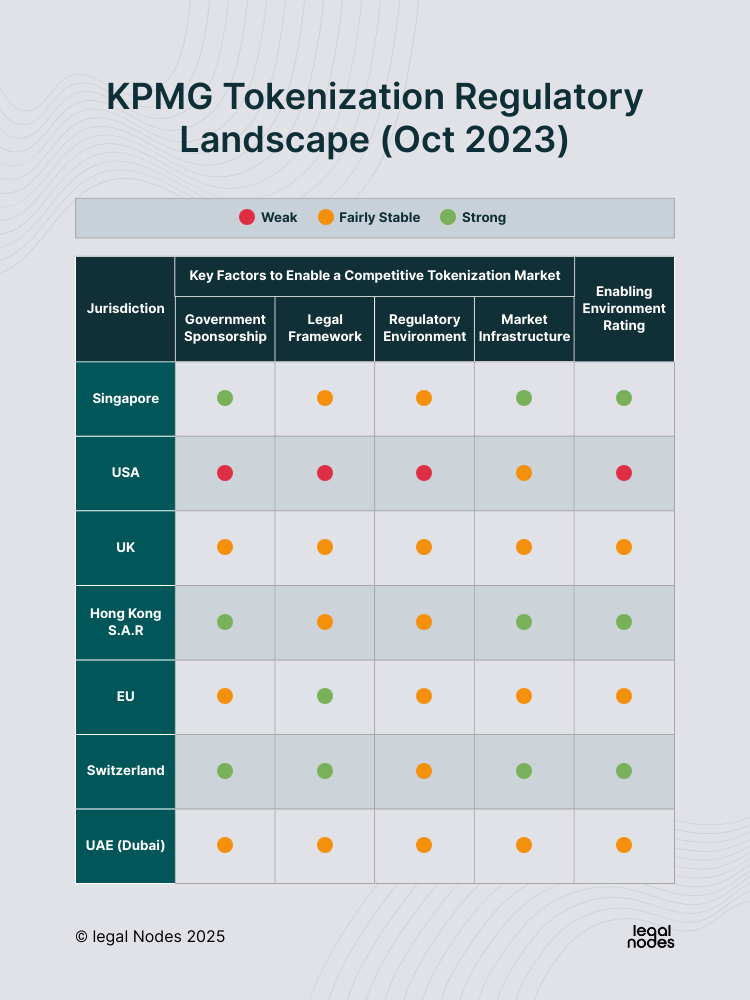
This digital layer offers potential benefits in liquidity and efficiency. Investors can trade smaller denominations, and interest payments can be distributed automatically via smart contracts. However, the legal framework is still catching up. Regulatory bodies like the Securities and Exchange Commission (SEC) and the Municipal Securities Rulemaking Board (MSRB) are actively working to integrate these digital assets into existing securities laws, ensuring investor protection remains intact.
For now, tokenized munis represent a hybrid approach: traditional credit risk paired with modern digital infrastructure. As the market matures, expect greater clarity on regulatory compliance and broader adoption by institutional investors seeking to optimize their fixed-income holdings.
How to buy tokenized municipal bonds
Tokenized municipal bonds are digital representations of traditional debt instruments, regulated under the same securities laws as their paper counterparts. This means you cannot simply buy them on a decentralized exchange with an anonymous wallet. Access requires a regulated platform that handles identity verification and compliance.
The process mirrors buying traditional ETFs or stocks, but with stricter onboarding. You must use a platform registered with the SEC and compliant with the MSRB. The goal is to ensure that the digital token accurately reflects the underlying municipal debt and that all investor protections remain intact.
1. Choose a regulated platform
Start by identifying a broker-dealer or digital asset platform that offers tokenized municipal securities. Not all crypto exchanges offer these assets; you need a platform specifically authorized to trade regulated securities. Look for platforms that explicitly state compliance with SEC and MSRB regulations. This ensures the platform has the legal infrastructure to handle the issuance, transfer, and settlement of these bonds.
2. Complete identity verification (KYC/AML)
Before you can fund an account or place a trade, you must pass Know Your Customer (KYC) and Anti-Money Laundering (AML) checks. This is a non-negotiable step for any regulated securities platform. You will need to provide government-issued identification, proof of address, and potentially tax identification numbers. The platform uses this data to verify your identity and ensure you are eligible to invest in these instruments.
3. Fund your account
Once your account is verified, you can fund it. Most platforms accept traditional bank transfers (ACH or wire) to purchase tokenized bonds. Some may also allow funding via cryptocurrency, but you must ensure the conversion process complies with securities regulations. Keep in mind that tokenized bonds are typically priced in USD, so your holdings will reflect the dollar value of the underlying municipal debt.
4. Execute the trade
With funds in place, you can browse available tokenized municipal bonds. These are often listed by issuer, maturity date, and credit rating. Unlike traditional bonds that might have large minimum denominations, tokenization can allow for smaller, more accessible investment sizes. Review the bond details, including coupon rate and maturity, before placing your order. The trade is executed on the platform’s order book or through a direct purchase mechanism.
5. Hold and manage your tokens
After purchase, the tokenized bonds are held in your platform’s custodial wallet or a connected self-custody wallet, depending on the provider’s structure. You will receive coupon payments automatically via smart contracts, which distribute interest payments to token holders on schedule. You can hold the tokens until maturity or sell them on secondary markets if the platform supports trading. Always review the platform’s terms regarding custody and transferability.
How the SEC Sandbox Protects Your Investment
Tokenized municipal bonds operate in a high-stakes financial environment where traditional safeguards meet new technology. The Securities and Exchange Commission (SEC) has introduced a regulatory sandbox framework to manage this transition without stifling innovation. This pilot program allows market participants to test tokenized securities under strict supervisory conditions before broader market adoption.
The sandbox serves as a controlled environment where digital representations of traditional municipal debt instruments can be evaluated for compliance and stability. By participating in this framework, issuers and platforms must adhere to rigorous reporting and operational standards. This oversight ensures that the underlying assets—often backed by local government revenue—remain secure and transparent.
For investors, this regulatory structure provides a critical layer of protection. The SEC’s involvement means that tokenized bonds are not operating in a legal vacuum. Instead, they are subject to existing securities laws, with additional scrutiny applied to the technological infrastructure. This dual-layer approach helps mitigate risks associated with smart contract vulnerabilities and operational failures.
The Municipal Securities Rulemaking Board (MSRB) complements this framework by providing educational resources and rules specific to municipal market participants. Together, these bodies ensure that the tokenization process respects the unique characteristics of municipal debt while leveraging blockchain efficiency. Understanding these regulatory boundaries is essential for navigating this evolving market safely.
How smart contracts automate payments and redemptions
Tokenized municipal bonds rely on smart contracts—self-executing code stored on a blockchain—to handle the heavy lifting of bond administration. Instead of relying on a chain of intermediaries to process paperwork, the bond’s terms are encoded directly into the software. This structure turns administrative tasks into automated events that trigger only when specific conditions are met, significantly reducing operational friction and the risk of human error.
The process begins when the issuer and legal experts structure the bond to ensure compliance with securities laws, as outlined by the SEC and MSRB. Once the legal framework is established, a smart contract is deployed on the blockchain. This contract acts as the central ledger, recording ownership and defining the exact mechanics for coupon payments and maturity redemptions. Because the code is immutable, investors can verify that the rules governing their investment cannot be altered unilaterally.
When a coupon payment date arrives, the smart contract automatically checks the issuer’s funding status. If the required funds are present in the designated escrow or treasury address, the contract executes the transfer of interest payments directly to all token holders’ wallets simultaneously. This eliminates the traditional delay between payment authorization and receipt, ensuring that investors get their interest on time without manual intervention.
At maturity, the redemption process follows a similar automated path. The contract verifies that the principal amount is available and then distributes the full repayment to each token holder. This end-to-end automation not only speeds up settlement but also provides a transparent, auditable trail of every transaction. By removing manual bottlenecks, tokenized bonds make municipal investing more efficient and accessible.
Fit tokenized munis into your broader strategy
Tokenized municipal bonds act as a liquidity layer for a portfolio that traditionally holds static, long-dated debt. Instead of locking capital in bonds that rarely trade, tokenization allows you to access secondary markets with near-instant settlement. This efficiency lets you reallocate capital quickly when rates shift or when you need to meet a cash flow obligation.
Before allocating capital, verify the tax status of the underlying bond. Not all tokenized munis qualify for federal tax-exempt interest income; some are structured as taxable municipal derivatives. Confirm the bond’s Original Issue Discount (OID) status and whether it is subject to the Alternative Minimum Tax (AMT). The MSRB provides official disclosures that clarify these terms.
Pre-investment checklist
-
Verify federal and state tax-exempt status of the specific bond issue
-
Audit the platform’s security protocols and custody arrangements
-
Check secondary market liquidity depth for the tokenized series
-
Confirm the smart contract’s oracle reliability for interest payments
This approach turns a passive holding into an active asset. You retain the safety of government-backed debt while gaining the flexibility to trade it like a liquid instrument. Always prioritize platforms that integrate directly with official MSRB data feeds to ensure accurate pricing and compliance.
How to tokenize a bond
Tokenizing a bond is not a simple copy-paste job; it is a structured legal and technical process. The issuer, whether a municipality or corporation, must work with legal and regulatory experts to structure the debt instrument in compliance with securities laws. This ensures the digital asset holds the same legal standing as its traditional counterpart.
The process begins with defining the bond’s terms: coupon payments, maturity dates, and investor rights. These terms are then encoded into a smart contract—a piece of software stored on a blockchain that automates execution. As noted by the Pennsylvania Local Government Commission, these agreements can be tokenized and automated, reducing manual intervention and potential for error src-serp-3.
Once the smart contract is deployed, the bond is issued on-chain. Investors receive digital tokens representing their ownership, and the smart contract automatically handles interest payments and principal repayment at maturity. This automation streamlines the lifecycle of the debt, making it more efficient for both issuers and holders.
Work through The to Tokenized US Municipal Bonds
No comments yet. Be the first to share your thoughts!