What tokenized muni bonds actually are
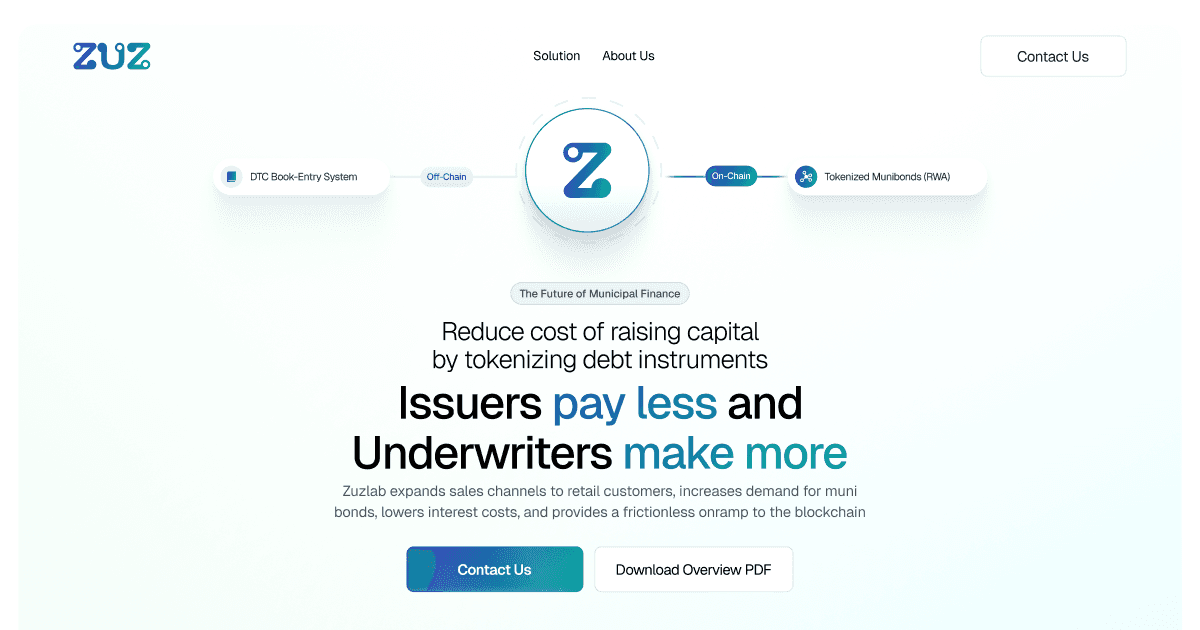
Tokenized municipal bonds are digital representations of traditional debt securities. When a municipal bond is tokenized, the ownership, transfer rights, and economic terms of that bond are encoded into a digital token that lives on a blockchain. This process does not create a new asset class; it simply moves the record-keeping from a centralized ledger to a distributed one. The underlying obligation remains the same: the issuer must pay interest and return the principal at maturity.
The primary difference lies in how ownership is recorded. In the traditional system, your holding is logged with a central depository like DTC. With tokenization, your holding is recorded on a distributed ledger. This shift allows for real-time updates to the ownership record, reducing the lag time typically associated with settlement and transfer. It is an evolution of the ledger, not a revolution of the asset itself.
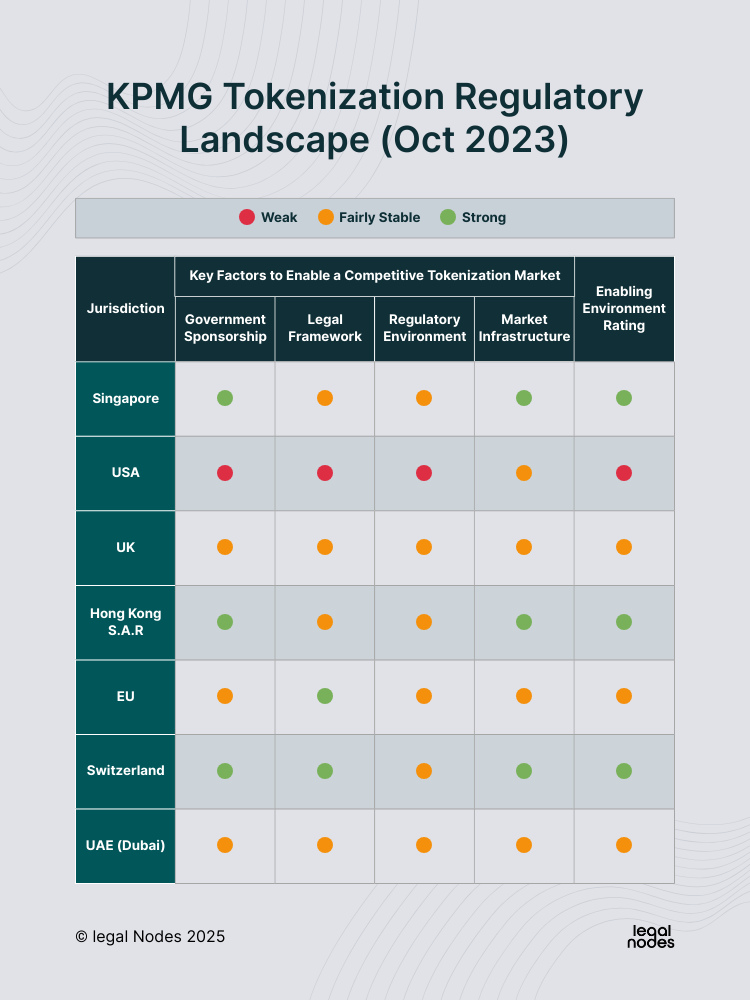
This digital layer impacts everything from how investors receive interest payments to how secondary market trades are executed. By encoding these terms into smart contracts, the process automates many of the administrative tasks that traditionally require intermediaries. For high-stakes finance, this means increased transparency and efficiency, provided the underlying legal structure remains compliant with regulations from bodies like the SEC and MSRB.
Map the onchain infrastructure
Tokenized US municipal bonds rely on a specific technical stack to replicate traditional bond mechanics on a blockchain. The process moves from legal structuring to code deployment, ensuring that ownership, transfer rights, and economic terms are encoded into a digital token.
Before touching the blockchain, issuers and legal experts structure the bond to comply with securities laws. This defines the coupon payments, maturity dates, and investor rights that the smart contract will eventually automate. The legal agreement is the source of truth for the digital token.
A smart contract is deployed on a permissioned blockchain to encode the bond’s terms. This software automates execution, tracking ownership and managing the bond’s lifecycle. It acts as a self-executing agreement that enforces the rules defined in the initial legal structure.
Tokens representing the bonds are issued and held in digital wallets. Custody solutions ensure that only authorized investors can transfer or trade these tokens. Settlement occurs on-chain, reducing the need for traditional intermediaries and speeding up the transfer of ownership.
When interest payments are due, the smart contract automatically distributes coupons to token holders. At maturity, the principal is returned to the registered owners. This automation reduces administrative overhead and ensures timely, accurate payments to investors.
This infrastructure transforms the bond from a static certificate into a dynamic, programmable asset. By encoding terms into code, issuers can achieve greater efficiency while maintaining strict compliance with regulatory requirements.
Navigate SEC and MSRB compliance
Tokenized municipal bonds operate in a high-stakes regulatory environment where digital efficiency meets rigid securities law. You cannot bypass the traditional guardrails just because the settlement layer is on-chain. The Securities and Exchange Commission (SEC) and the Municipal Securities Rulemaking Board (MSRB) enforce strict compliance protocols that dictate who can invest, how identity is verified, and how tokens move between wallets.
Verify investor accreditation and KYC/AML status
Before a tokenized bond can be issued or traded, the issuer must ensure every participant meets strict eligibility requirements. This begins with Know Your Customer (KYC) and Anti-Money Laundering (AML) checks. Unlike traditional bond markets where brokers handle these verifications offline, on-chain platforms must embed these checks into the user onboarding flow or use decentralized identity solutions that are recognized by regulators.
Investor accreditation is equally critical. Most tokenized municipal bonds are offered under Regulation D or Regulation S, which restrict participation to accredited investors or non-U.S. persons. The smart contract governing the bond should ideally include a "transfer restriction" flag that automatically blocks transactions from wallets that haven't been whitelisted as compliant. If a non-accredited wallet attempts to receive a token, the transaction should fail or the token should be frozen until the owner provides proper documentation.
Manage secondary trading restrictions
Secondary trading of tokenized municipal bonds is not as simple as swapping assets on a decentralized exchange. These securities are subject to resale restrictions under the Securities Act of 1933. The MSRB oversees the municipal securities market, and its rules on fair dealing and trade reporting still apply to digital assets.
When an investor wishes to sell a tokenized bond, the platform must ensure the buyer is eligible and that the trade is reported to a registered transaction reporting mechanism, such as the MSRB’s Real-Time Trade Reporting system. If the bond exists on one distributed ledger and the buyer wants to move it to another, cross-chain transfers require additional compliance layers to prevent regulatory arbitrage. The SEC’s recent sandbox framework for tokenized municipal instruments highlights the need for clear rules around these interoperability challenges, ensuring that modernization doesn’t create loopholes for unregistered securities trading.
Maintain audit trails and reporting
Compliance isn’t a one-time event; it’s a continuous process. Every transfer of a tokenized municipal bond creates an immutable record on the blockchain, which can be a powerful tool for auditors. However, this transparency must be balanced with privacy regulations. Platforms must ensure that while the transaction is verifiable, the personal data of the investors remains protected.
Issuers and platforms must also be prepared for periodic audits. The SEC and MSRB may request access to transaction logs, investor lists, and smart contract code to verify that all compliance controls are functioning as intended. Failure to maintain these records can result in severe penalties, including fines and the forced redemption of the tokenized securities. By embedding compliance into the code and processes from the start, you reduce the risk of regulatory backlash and build trust with institutional investors.
Compare liquidity and yield profiles
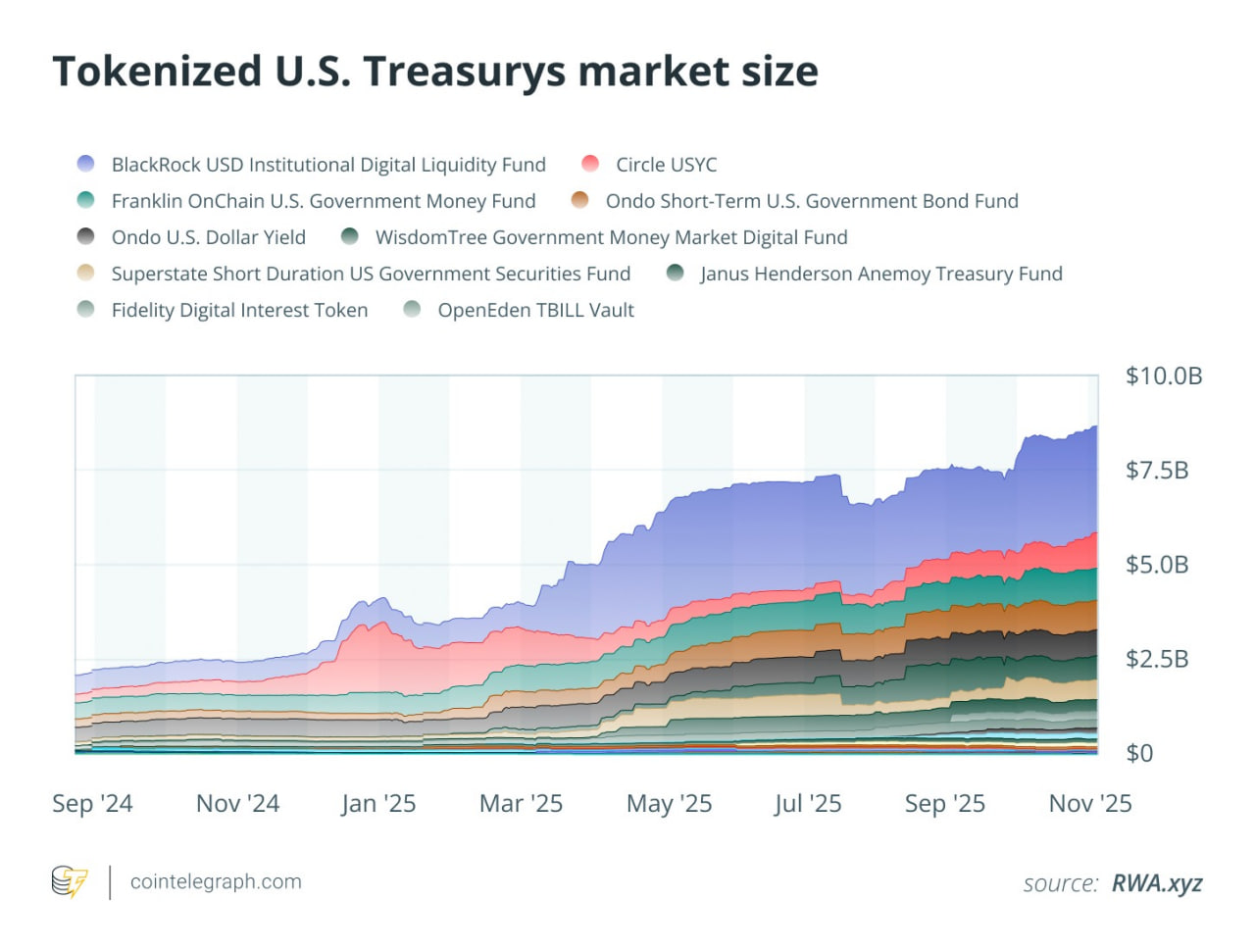
Tokenized US municipal bonds shift liquidity from a secondary market exercise to a near-instant settlement event. Traditional munis often trade in fragmented over-the-counter markets where finding a counterparty can take days. Tokenization moves this trading onto blockchain networks, allowing for continuous price discovery and faster settlement cycles.
The most immediate benefit is the reduction of minimum investment sizes. While traditional municipal bonds typically require $5,000 to $100,000 minimums, tokenization enables fractional ownership. This allows smaller investors to access high-grade municipal debt without tying up large amounts of capital in a single lot.
| Feature | Traditional Municipal Bonds | Tokenized Municipal Bonds |
|---|---|---|
| Minimum Investment | $5,000 - $100,000+ | As low as $10 - $100 |
| Settlement Time | T+2 to T+3 days | Near-instant (T+0) |
| Trading Hours | Market hours only | 24/7 availability |
| Liquidity Access | Dealer-dependent, OTC | Direct peer-to-peer |
Yield adjustments are also visible in this new structure. Because tokenization reduces administrative overhead and intermediaries, some platforms pass these savings to investors. However, you must account for platform fees and potential liquidity premiums. If the tokenized market is still developing, bid-ask spreads might be wider than those of highly liquid treasury bonds.
How to buy tokenized municipal bonds
Tokenized municipal bonds move faster than traditional paper, but the settlement process is just as strict. You don’t buy these assets like retail stocks; you execute a structured workflow that verifies your eligibility and the platform’s legitimacy.
1. Verify accreditation and platform licensing
Before you look at a single bond, confirm you meet the regulatory thresholds. Most tokenized munis are restricted to accredited investors or qualified purchasers. You must also ensure the marketplace is registered with the SEC or operates under a valid exemption, and that it adheres to MSRB guidelines for municipal securities trading.
2. Secure your self-custody wallet
Tokenized bonds live on the blockchain, not in a standard brokerage account. You need a self-custody wallet that supports the specific token standard (usually ERC-1400 or ERC-3643) and the network used by the issuer. Enable multi-signature requirements if you are holding significant value, and never share your seed phrase.
3. Complete KYC/AML identity checks
Regulatory compliance is baked into the token itself. The platform will require rigorous Know Your Customer (KYC) and Anti-Money Laundering (AML) verification. This includes submitting government ID, proof of address, and sometimes a tax residency declaration. This process can take 24 to 48 hours, so complete it before you intend to buy.
4. Execute the purchase order
Once verified, you can place an order. The smart contract handles the settlement, transferring tokens to your wallet and funds to the seller simultaneously. This atomic settlement reduces counterparty risk. Review the transaction details one last time, including the network gas fees, before signing the transaction.
-
Confirm accredited investor status
-
Verify platform SEC/MSRB registration
-
Set up compatible self-custody wallet
-
Complete KYC/AML identity verification
-
Review smart contract terms and fees
Frequently asked questions about tokenized munis
How do you tokenize a municipal bond?
The issuer works with legal experts to structure the tokenized bond, ensuring compliance with securities laws. A smart contract is created on a blockchain, representing the bond's terms, including coupon payments, maturity dates, and investor rights.
What is the current regulatory status?
Regulators are exploring frameworks to modernize markets. The SEC has published a regulatory sandbox framework for tokenized municipal instruments, allowing controlled testing of these digital assets before broader implementation.
What are the minimum investment sizes?
Tokenizing bonds reduces the minimum investment size, making them more accessible to a broader range of investors. This fractionalization allows smaller accounts to gain exposure to municipal debt previously reserved for large institutions.
No comments yet. Be the first to share your thoughts!