What are tokenized municipal bonds?
A tokenized municipal bond is a digital representation of a traditional debt instrument issued by a state or local government. The underlying asset remains exactly the same: a legal obligation to repay principal and pay tax-exempt interest. The only difference lies in how ownership is recorded and settled. Instead of relying on paper certificates or centralized depositories like DTC, the bond’s rights are encoded as tokens on a blockchain.
Think of tokenization as changing the settlement layer, not the product itself. The issuer still owes the money, and the tax status remains unchanged. What changes is the infrastructure. Smart contracts—software stored on the blockchain—can automate payments and enforce rules. For example, interest payments can be distributed automatically to token holders’ wallets on a fixed schedule, removing the need for manual processing by intermediaries.
This digital format does not alter the credit risk or the legal recourse available to investors. If a municipality defaults, the token holder still holds a claim against the issuer, just as they would with a traditional bond. However, the digital nature allows for faster settlement and potentially greater liquidity, as tokens can be traded more easily on secondary markets.
By moving the bond onto a blockchain, investors gain access to 24/7 trading and programmable compliance features. This bridges the gap between the traditional fixed-income market and the speed of digital assets, offering a more efficient way to access tax-advantaged credit.
How to buy tokenized munis
Acquiring tokenized US municipal bonds requires navigating a stricter compliance layer than traditional equities. Because these assets represent regulated securities, you cannot simply buy them on a generic exchange. The process involves verifying your legal status as an investor, selecting a platform authorized to handle both the blockchain infrastructure and the underlying legal wrappers, and executing the trade through a qualified broker-dealer.
1. Verify your accreditation status
Before you can access tokenized municipal bonds, you must confirm that you meet the regulatory definition of an accredited investor. This is not a platform preference; it is a federal requirement under SEC Rule 506(c). You will need to provide documentation proving your annual income exceeds $200,000 ($300,000 combined with a spouse) or that your net worth exceeds $1 million, excluding the value of your primary residence.
Platforms use third-party verification services to audit these documents. Without this clearance, the smart contracts governing the bond will not allow you to purchase or hold the tokens. If you do not meet these criteria, you are restricted to traditional, off-chain municipal bond funds or ETFs.
2. Select a regulated tokenization platform
Not all crypto platforms offer tokenized securities. You must choose a platform that is registered with the SEC as a Regulation A+ issuer or a funding portal, and is a member of the Municipal Securities Rulemaking Board (MSRB). These platforms handle the legal issuance of the token, ensuring it represents a direct claim on the underlying municipal debt.
Look for platforms that partner with established broker-dealers for trade execution. This structure ensures that the secondary trading of your tokens complies with existing securities laws. Avoid unregistered decentralized exchanges (DEXs) for this asset class, as they typically lack the legal frameworks required to enforce investor rights on municipal debt.
3. Fund your account and complete KYC
Once you have selected a compliant platform, you will need to complete a full Know Your Customer (KYC) and Anti-Money Laundering (AML) check. This involves submitting government-issued identification and proof of address. The platform must verify your identity before allowing any capital movement.
Funding is typically done via bank transfer (ACH or wire) or, in some newer setups, via stablecoins that have been cleared for securities transactions. Be aware that these transfers may take several days to settle, especially for large sums. Ensure your funds are cleared before the bond’s issuance date or secondary trading window opens.
4. Execute the trade
With your account verified and funded, you can browse the available tokenized municipal bonds. These are often listed by issuer, maturity date, and credit rating. You can place buy orders just as you would with traditional bonds, though the interface will be digital and the settlement instant on the blockchain.
When you execute the trade, the platform mints or transfers the corresponding tokens to your wallet. You will receive a digital receipt that serves as your proof of ownership. This token is the legal instrument that entitles you to the interest payments and principal repayment at maturity.
5. Manage your holdings
Holding tokenized munis requires managing a digital wallet, but you do not need to worry about the underlying blockchain maintenance. The platform handles the technical infrastructure. Your primary responsibility is monitoring the wallet for interest payments, which are often distributed automatically in stablecoins or fiat-equivalent tokens.
If you wish to sell before maturity, you must do so on the platform’s secondary market. Liquidity can vary significantly depending on the specific bond and market conditions. Unlike traditional bonds, where you might sell through a broker, tokenized sales are peer-to-peer or order-book based within the platform’s ecosystem.
How tokenized municipal bonds actually trade
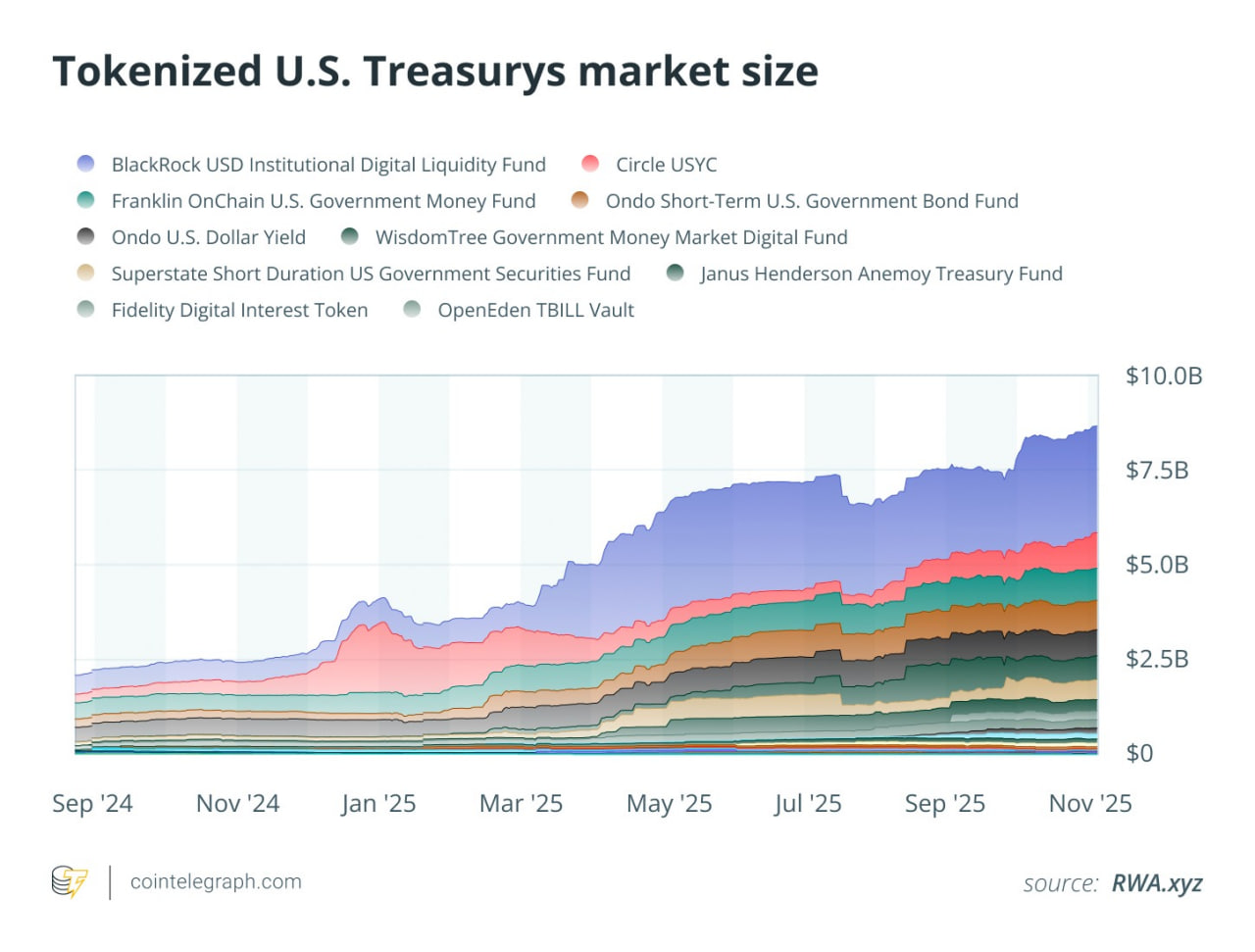
Buying a tokenized municipal bond isn't just about clicking "buy" on an app. You need to understand the plumbing. The market is split between primary issuance—where new bonds are created—and the secondary market, where you trade them later. Most on-chain liquidity happens in the secondary market, but it's thin and fragmented compared to traditional finance.
Primary vs. Secondary Liquidity
In the primary market, issuers (like cities or states) sell new bonds to investors. On-chain, this means a special purpose vehicle (SPV) issues tokens representing the bond. You get the token, the issuer gets the cash. It's straightforward.
The secondary market is where it gets tricky. Unlike the NYSE, there's no central order book for most tokenized munis. Trades happen over-the-counter (OTC) or on decentralized exchanges with limited depth. This means you might not get the price you see when you try to sell. Always check the spread before you trade.
The Technical Reality
Most tokenized munis exist on different blockchains. The SEC's sandbox framework notes that exchanging token A for token B across ledgers is technically possible but logistically messy. You need bridges or wrappers to move value. This adds risk and cost. Don't assume seamless interoperability.
The Municipal Securities Rulemaking Board (MSRB) still regulates these bonds. If you're trading on-chain, you're likely using a registered broker-dealer or a platform that complies with MSRB rules. Verify the platform's regulatory status. If it's not registered, walk away.
Trading Checklist
Before you trade, run through this quick checklist to avoid costly mistakes:
-
Verify the bond's CUSIP and issuer name on the MSRB website.
-
Check the platform's regulatory registration (SEC/MSRB).
-
Confirm the blockchain network and bridge security.
-
Review the liquidity provider's spread and depth.
-
Understand the settlement time (T+1 or T+2).
Key Takeaways
- Primary issuance is simple; secondary trading is complex.
- Liquidity is thin and fragmented across chains.
- Always verify regulatory compliance with the MSRB.
- Technical interoperability is not guaranteed.
Risks and regulatory checks
Tokenized municipal bonds sit at the intersection of traditional credit and emerging blockchain infrastructure. While the promise of on-chain efficiency is real, the execution carries distinct risks that differ from buying a bond through a standard broker-dealer. You are no longer just betting on a municipality’s ability to pay; you are also relying on code, custody providers, and a regulatory framework that is still finding its footing.
Smart contract and custody risks
When you buy a tokenized bond, your ownership is recorded on a distributed ledger. This introduces smart contract risk. If the underlying code has a vulnerability, your asset could be compromised, regardless of the issuer’s creditworthiness. Unlike traditional securities held in a central depository, on-chain assets require you to understand where they are stored and who controls the private keys.
Custody is the linchpin here. You need a qualified custodian that can handle both the digital asset and the traditional settlement layers. Without a trusted third party to bridge the gap between the blockchain and the legal entity issuing the bond, your claim to the bond becomes abstract. Verify that your platform uses institutional-grade custody solutions that are insured and audited. Do not assume that "self-custody" via a personal wallet is safe for high-value fixed-income instruments unless you have the technical expertise to manage key security.
Regulatory sandbox limitations
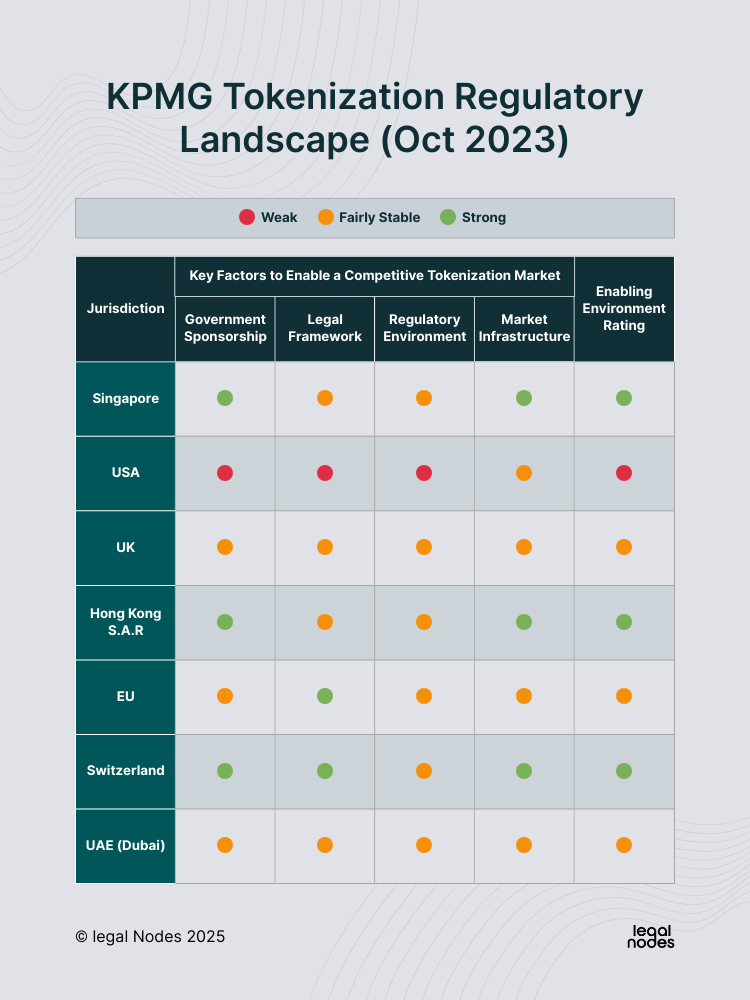
The regulatory landscape for tokenized securities is evolving, but it is not yet fully settled. The SEC and other bodies are exploring "regulatory sandboxes" to test these innovations in controlled environments. As noted in SEC frameworks for market modernization, these sandboxes allow for experimentation but come with strict boundaries [src-serp-1].
This means that while you might access innovative tokenized munis today, the legal protections may not be as robust as those under the Securities Act of 1933. Interoperability is also a challenge; if securities exist on different ledgers, trading and settlement can become fragmented [src-serp-1]. Always check if the tokenized bond is issued under an existing regulatory exemption or if it is part of a pilot program. Understanding the legal structure is just as important as understanding the technology.
Pre-trade verification checklist
Before executing a trade, run through this quick verification to ensure you are not exposed to unnecessary technical or regulatory gaps:
-
Issuer Credit Rating: Confirm the underlying municipal issuer’s credit rating is current and matches the token’s claim.
-
Smart Contract Audit: Verify that the token’s smart contract has been audited by a reputable third-party firm.
-
Custody Provider: Identify the qualified custodian holding the underlying asset and confirm their insurance coverage.
-
Tax Implications: Review how the tokenized structure affects your tax reporting, especially if the platform is offshore or non-US based.
Frequently asked: what to check next
Work through to Tokenized US Municipal Bonds
No comments yet. Be the first to share your thoughts!