What tokenized munis actually are
Tokenized US municipal bonds are digital representations of traditional bond instruments recorded on a blockchain or distributed ledger. They are not a new asset class; rather, they are a digital wrapper for an existing legal claim. When you hold a tokenized muni, you hold a cryptographic token that represents your ownership of the underlying bond issued by a state or local government entity.
This structure changes how ownership is recorded and transferred, but the fundamental promise remains the same: the issuer’s commitment to repay principal and interest. The difference lies in the infrastructure. Traditional munis rely on centralized custodians and clearinghouses like the Depository Trust & Clearing Corporation (DTCC). Tokenized munis use smart contracts to automate these functions. A smart contract is software stored on a blockchain that executes predefined rules, such as distributing interest payments or verifying investor eligibility, without needing a middleman to manually process each transaction.
For onchain investors, this distinction is critical. The token itself is a proof of ownership, often compliant with securities regulations, while the underlying bond is the actual financial instrument. This means the value of the token is directly pegged to the performance of the municipal bond it represents. Understanding this separation helps clarify why tokenized munis can offer greater liquidity and faster settlement times compared to their traditional counterparts, while maintaining the same regulatory and credit framework.
The shift to blockchain-based ownership allows for more granular control over investor lists and compliance. Smart contracts can enforce transfer restrictions automatically, ensuring that only accredited or qualified investors can hold the tokens. This automation reduces administrative overhead and potential for error, making the bond market more accessible and efficient for institutional and high-net-worth participants seeking onchain solutions.
The regulatory sandbox and SEC stance
Navigating the legal landscape for a Tokenized US Municipal Bonds guide requires understanding that the SEC treats these assets as securities first, blockchain projects second. The Commission’s primary concern remains investor protection, meaning any tokenized municipal bond must comply with existing federal securities laws, including registration requirements or valid exemptions under the Securities Act of 1933.
To manage the pace of innovation, the SEC established a regulatory sandbox framework. This approach allows market participants to test tokenized municipal instruments in a controlled environment. As outlined in the SEC’s recent framework documents, the sandbox facilitates the testing of complex scenarios, such as exchanging tokenized municipal bond A for tokenized municipal bond B across different distributed ledgers. This controlled testing helps regulators understand the technical and compliance risks before broader market adoption.
Compliance for tokenized securities hinges on strict adherence to Know Your Customer (KYC) and Anti-Money Laundering (AML) protocols. Issuers and platforms must ensure that only accredited or qualified investors participate, depending on the specific exemption used. The digital nature of the bonds does not relax these requirements; rather, it demands that compliance mechanisms are embedded directly into the smart contract or the off-chain infrastructure supporting the token.
The SEC’s stance is clear: innovation cannot bypass regulation. For investors considering tokenized municipal bonds, verifying that the issuer and the tokenization platform are operating within this sandbox or have secured appropriate no-action letters is essential. Without this regulatory clarity, the legal enforceability of the tokenized claim to municipal debt remains uncertain.
Why onchain munis change the math
Tokenized US Municipal Bonds guide readers to a shift in how fixed-income assets are accessed and traded. The core appeal lies in the combination of tax efficiency and structural improvements over legacy markets. While traditional municipal bonds have long offered tax-free interest to investors in higher brackets, tokenization introduces new layers of accessibility and speed that were previously difficult to achieve.
Tax advantages and fractional access
The primary draw for many investors remains the tax-exempt status of interest payments. According to the Municipal Securities Rulemaking Board (MSRB), buying a municipal bond means lending money to an issuer in exchange for regular interest payments that are generally free from federal income tax [src-serp-4]. For high-net-worth individuals, this yield advantage can significantly impact after-tax returns compared to taxable corporate bonds.
Tokenization amplifies this benefit by lowering the barrier to entry. Traditional municipal bonds often require large minimum investments, typically in increments of $5,000 or more. Onchain structures allow for fractional ownership, enabling investors to gain exposure to high-quality municipal debt with much smaller capital outlays. This democratization does not alter the underlying tax status of the interest, but it makes the asset class available to a broader range of participants.
Liquidity and settlement speed
Perhaps the most significant operational improvement is liquidity. The secondary market for traditional municipal bonds can be illiquid, with wide bid-ask spreads and settlement times that lag behind other asset classes. Tokenized bonds settle on-chain, often in minutes or seconds, rather than the standard T+1 or T+2 days required for traditional securities. This speed reduces counterparty risk and frees up capital more quickly.
The table below compares key operational differences between traditional and tokenized municipal bonds.
| Feature | Traditional Munis | Tokenized Munis |
|---|---|---|
| Minimum Investment | $5,000+ | $10–$100 |
| Settlement Time | T+1 to T+2 | Near-instant |
| Secondary Market Liquidity | Low to Moderate | Higher (24/7) |
| Tax Treatment | Tax-exempt interest | Tax-exempt interest |
Visualizing the shift
The move toward tokenized assets is part of a broader trend in financial infrastructure. As major institutions explore blockchain solutions for bond issuance, the underlying mechanics of settlement and ownership are evolving. This shift is not just about technology but about creating a more efficient market for essential public financing.
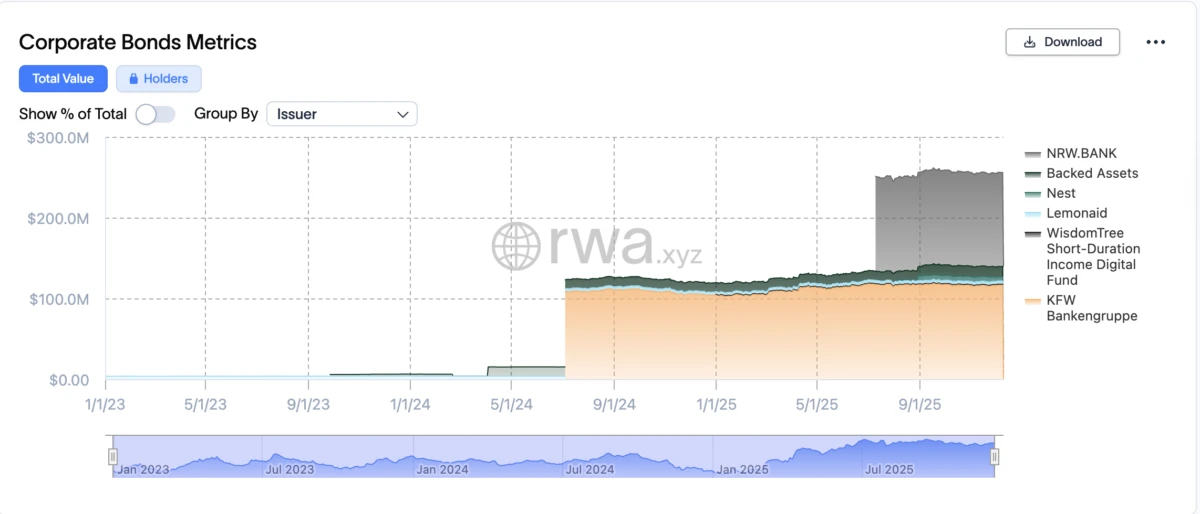
As these systems mature, investors should focus on the specific tax implications of their jurisdiction and the regulatory framework governing the tokenized asset. The yield advantage remains, but the structural benefits of speed and accessibility are what truly distinguish this new approach to municipal debt.
The technical backbone of tokenized municipal bonds
The transition from traditional municipal bonds to onchain instruments relies on a specific set of smart contracts that replicate the lifecycle of the debt. These digital agreements handle the complex mechanics of coupon payments, principal redemption, and ownership transfers, ensuring that the digital token remains a precise legal representation of the underlying asset.
At the core of this infrastructure is the smart contract, which automates the execution of bond terms. As defined by the Local Government Commission, these are software pieces stored on a blockchain that trigger actions based on predefined conditions. This automation reduces administrative overhead and minimizes the risk of human error in payment distribution, a critical factor for high-stakes municipal debt.
Interoperability between different ledgers is another technical challenge. Tokenized bonds must function across various blockchain environments while maintaining strict compliance with securities laws. This requires robust standardization in how ownership is recorded and transferred, ensuring that the digital representation is universally recognized and legally enforceable across jurisdictions.
The integrity of the entire system depends on the accuracy of these digital records. Any discrepancy in the smart contract code can lead to significant financial and legal repercussions. Therefore, the development and auditing of these contracts are as critical as the credit analysis of the underlying municipal issuer.
Key risks in tokenized credit markets
Tokenized US Municipal Bonds guide readers through a new asset class, but the underlying mechanics introduce distinct vulnerabilities that traditional bondholders rarely face. While the promise of onchain efficiency is compelling, the intersection of legacy credit markets and distributed ledger technology creates friction points that require careful due diligence.
Smart Contract Vulnerabilities
The code governing token issuance and transfer is the first line of defense—and the most likely point of failure. Unlike paper certificates held in centralized depositories, smart contracts are immutable once deployed. If a vulnerability exists in the logic handling transfers or ownership records, it cannot be patched without a complex governance upgrade or a complete system migration. High-stakes investors must verify that the underlying smart contracts have undergone independent third-party audits, as a single exploit can render the tokenized asset illiquid or worthless.
Regulatory Uncertainty
The regulatory landscape for digital assets remains in flux, creating compliance risks that can impact liquidity and valuation. As noted in recent SEC frameworks, the interoperability of securities on different ledgers is still being defined, which complicates cross-chain transfers and secondary market trading. Investors must stay alert to evolving guidance from the Securities and Exchange Commission (SEC) and the Municipal Securities Rulemaking Board (MSRB), as sudden shifts in classification or reporting requirements could restrict market access or impose new operational burdens.
Issuer Default and Credit Risk
Ultimately, the token is only as strong as the underlying municipal obligation. Tokenization does not mitigate the credit risk of the issuer. If a municipality defaults on its debt, the token holder’s claim remains subject to the same legal priorities and recovery processes as traditional bondholders. However, the speed of information dissemination onchain may amplify market reactions to credit events, potentially leading to sharper price dislocations during periods of stress. Investors should treat tokenized munis with the same rigorous credit analysis they would apply to offchain instruments, recognizing that the digital wrapper adds no inherent protection against issuer insolvency.
How to evaluate tokenized bond offerings
Before allocating capital to a Tokenized US Municipal Bonds guide candidate, you need to verify the infrastructure supporting the asset. Tokenization moves the bond onchain, but the underlying legal and operational risks remain tethered to traditional finance structures. A robust evaluation process separates compliant platforms from speculative experiments.
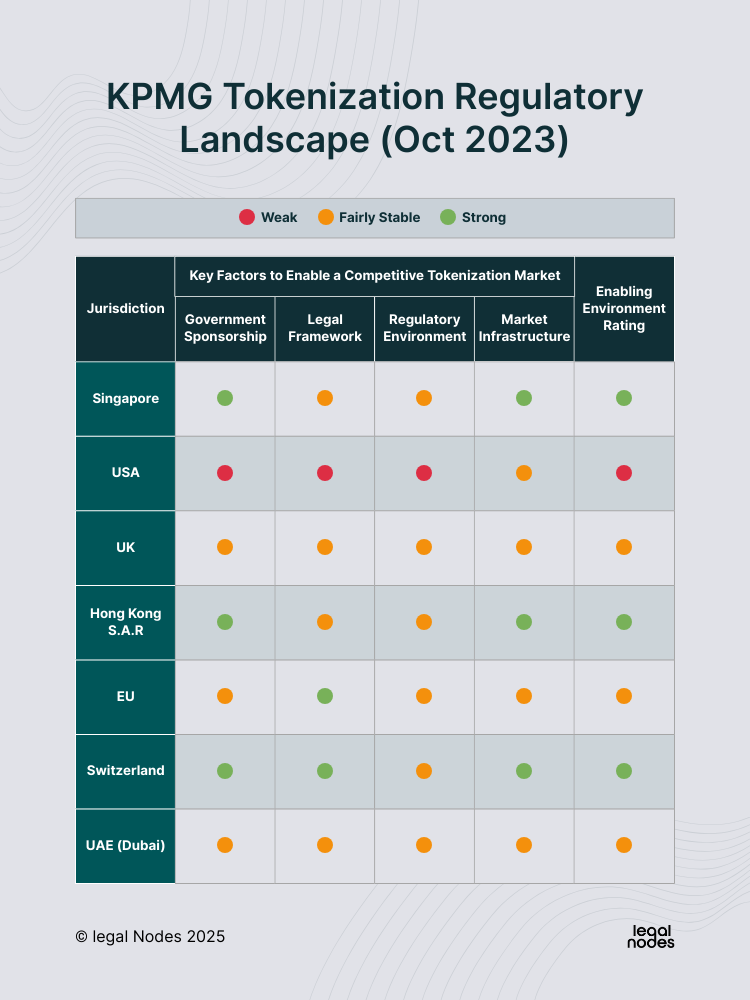
Ensure the token represents a direct claim on the underlying municipal obligation. Check if the issuer has registered the security with the SEC and if a qualified custodian holds the bonds. Avoid platforms where legal ownership is ambiguous or held in offshore trusts without clear recourse.
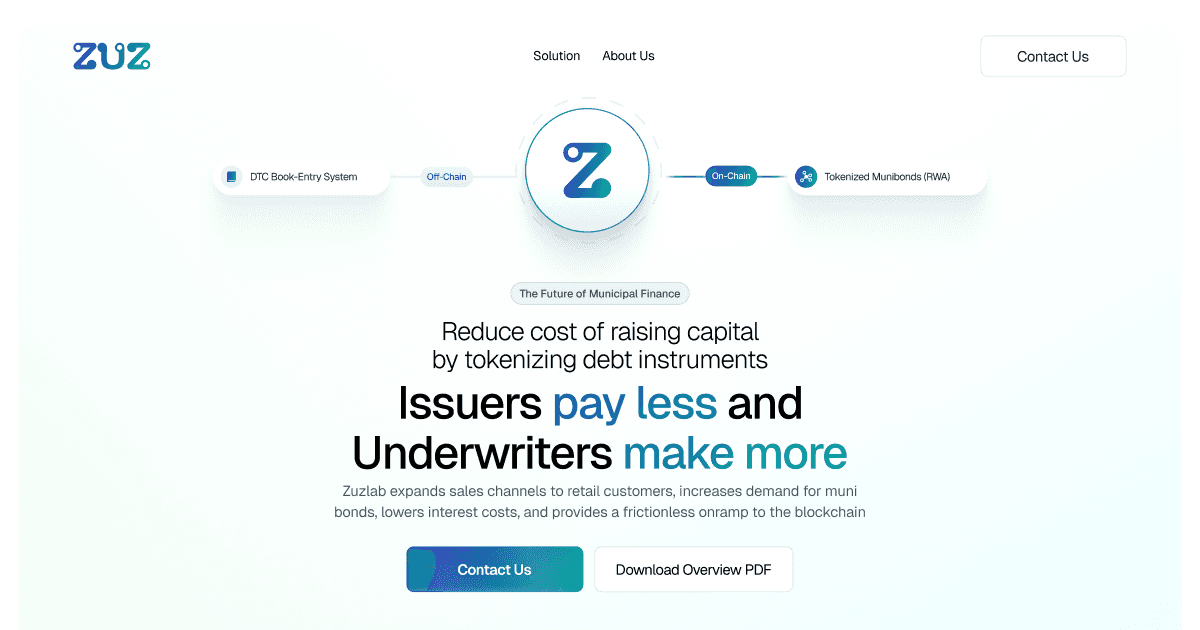
Municipal bonds are traditionally illiquid. Onchain trading promises speed, but volume matters. Review the platform’s order book depth and historical trading activity. Thin markets can lead to significant slippage when you need to exit a position, turning a "liquid" asset into a trapped one.
Confirm the platform adheres to KYC/AML regulations and SEC rules for security tokens. Legitimate offerings will restrict participation to accredited investors where required. Platforms operating in regulatory gray areas pose a higher risk of shutdown or frozen assets.
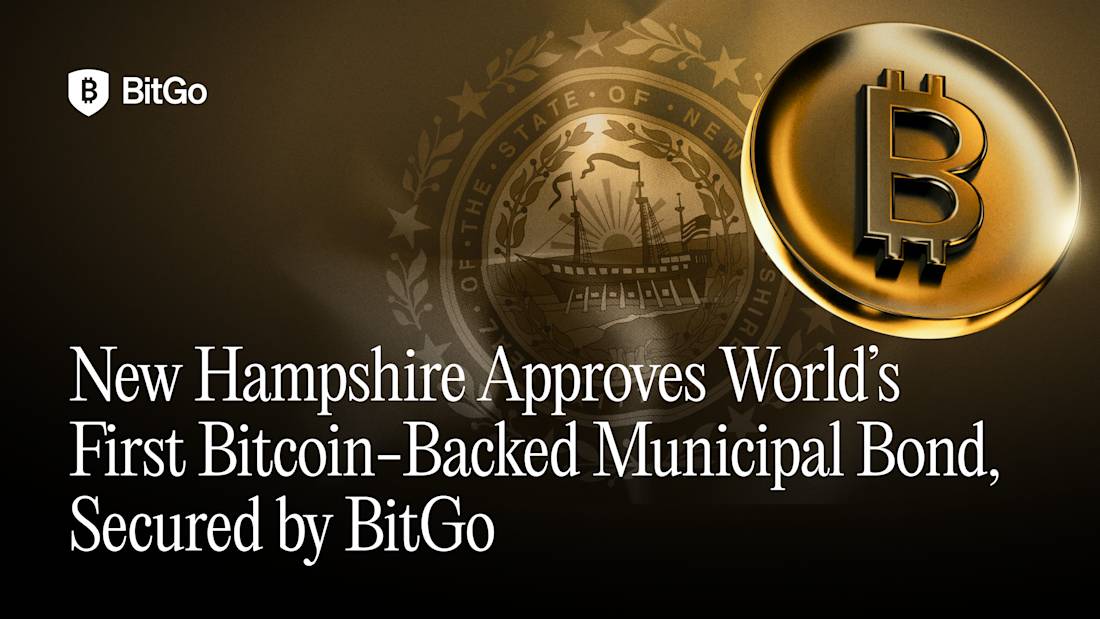
Just like traditional munis, the creditworthiness of the issuing municipality is paramount. Look for ratings from major agencies (Moody’s, S&P) or independent onchain credit scores. High-yield offerings often compensate for lower credit quality; ensure the yield justifies the default risk.
Evaluating these factors ensures you are investing in a Tokenized US Municipal Bonds guide compliant with both digital and traditional finance standards. Always prioritize platforms with transparent legal wrappers and audited custody solutions.
No comments yet. Be the first to share your thoughts!